


Key Takeaways
A calmer cat usually starts with understanding what has changed, then making home life feel safer and more predictable. Small, steady adjustments can help, but sudden or persistent symptoms deserve veterinary attention.
- Watch for changes in grooming, appetite, hiding, vocalizing, or litter-box habits.
- Keep safe retreats, essential resources, and cool resting spots easy to reach.
- Use predictable routines and play to give indoor cats healthy outlets.
- Introduce calming aids cautiously and address the underlying stressor, too.
- Contact a veterinarian about sudden changes, ongoing distress, or disrupted eating.
Recognize anxiety and identify its triggers
Cats often show discomfort through small shifts in behavior rather than an obvious display of fear. Not every unusual habit means anxiety, and the same behavior can have more than one cause. Looking at what is normal for your cat—and what has changed—makes it easier to respond calmly instead of guessing. These cat anxiety signs can offer a useful starting point for noticing patterns.
Distinguish stress signals from normal cat behavior
A cat may nap in a quiet corner, hide briefly from a visitor, or vocalize to get your attention without being anxious. More concerning is a change in frequency, intensity, or context: a normally sociable cat that suddenly stays hidden, for example, or a cat that begins grooming one area repeatedly. Other possible clues include appetite changes, unusual irritability, accidents outside the litter box, and increased vocalizing. A change from your cat’s normal matters more than any single behavior in isolation.
If you are unsure whether a behavior is new or unusual, make a note of it and look for other changes happening at the same time. A guide to spotting cat anxiety can help you think through common signs and possible next steps, but it cannot diagnose the cause.
Track when symptoms happen and what precedes them
A simple log can reveal connections that are easy to miss in the moment. Note the time, what was happening just beforehand, how long the behavior lasted, and whether your cat returned to normal afterward. Include changes in the household, weather, visitors, feeding, or interactions with other animals. Keep the notes factual; a few days of observations can be more useful than trying to interpret every incident immediately.
A compact table can make those notes easier to compare. These examples are prompts, not proof that a particular event caused the behavior.
| What you notice | What happened beforehand | What to record |
|---|---|---|
| Hiding for longer than usual | Visitors arrived | Start time, duration, and whether the cat came out later |
| Restlessness or hiding during a storm | Thunder or heavy rain | Noise, location, and recovery time |
| A new litter-box accident | Routine or room changed | Location, timing, and any other health changes |
Look for a repeated pattern rather than drawing a conclusion from one event. If the behavior persists or worsens, take the log to your veterinarian; the details can help clarify what to investigate.
Consider health problems that can resemble anxiety
Pain and illness can change a cat’s appetite, movement, grooming, sociability, or litter-box habits. A cat that avoids being touched, urinates in a new place, or becomes withdrawn may be uncomfortable for a medical reason, even if a recent household change seems like an obvious explanation. A veterinary check is especially sensible when a change appears suddenly, is persistent, or comes with other signs of illness.
A behavior diary is useful, but it should not become a reason to delay care when your cat seems unwell. For clarity, some links elsewhere on this page lead to resources unrelated to cat health: international payroll compliance, baseball fantasy strategy, a beginner-results offer, therapy costs in Missouri, and Gmail inbox management. Those topics are separate from veterinary guidance and are not advice for treating a cat.
Create a secure, low-stress home environment
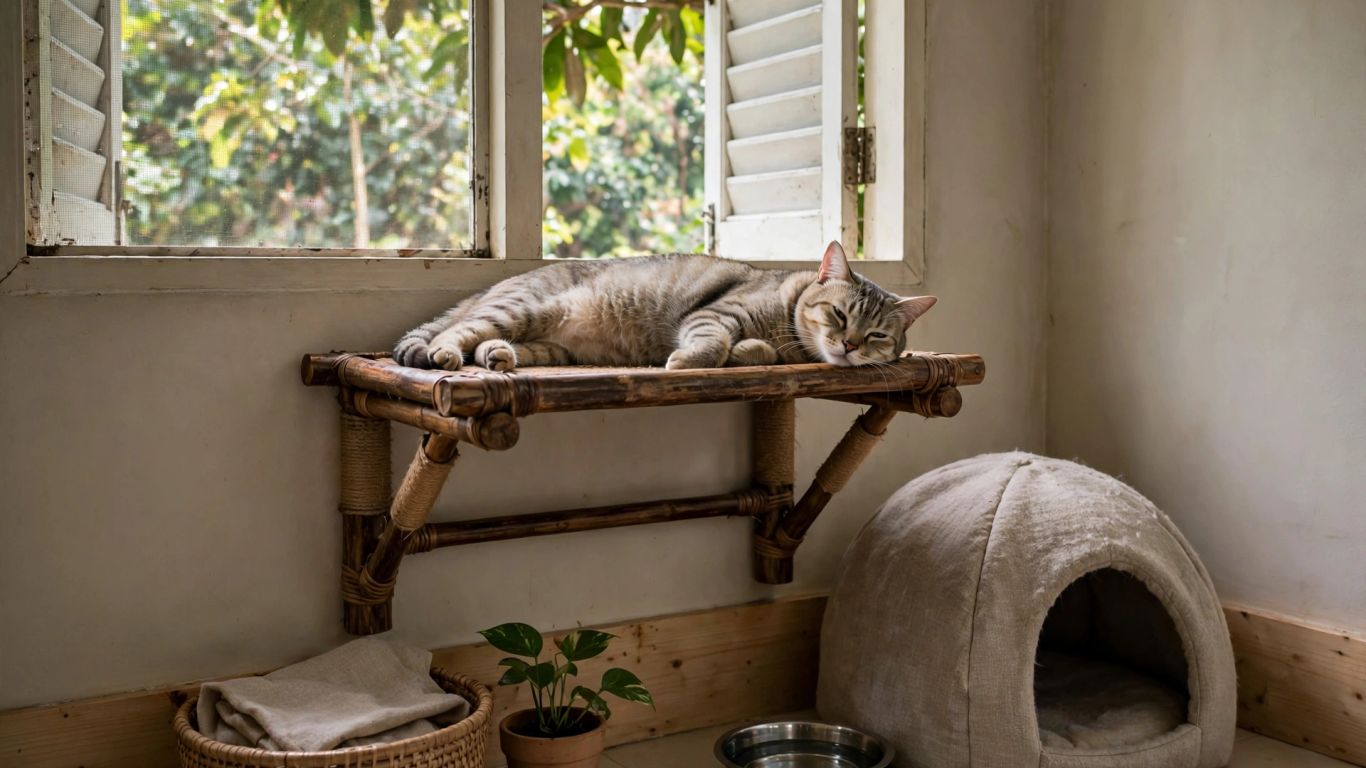
A home feels safer to a cat when it offers places to retreat and lets the cat reach everyday necessities without having to pass a perceived threat. You do not need a large renovation: thoughtful placement of familiar items can make a meaningful difference. Notice where your cat chooses to rest, and avoid forcing interaction in the place they use to feel secure. In Malaysia’s warm, humid climate, comfort also means making it easy to find a cool, well-ventilated spot.
Set up hiding places and elevated resting spots
Offer more than one retreat if possible: a covered bed, a sturdy box, or a quiet space beneath furniture can give a cat somewhere to settle. Many cats also appreciate an elevated resting place from which they can watch the room without being approached. Keep these spots accessible and stable, and let your cat choose whether to use them. Pulling a hiding cat out can make the retreat feel less safe, so give them time to emerge on their own.
Make food, water, litter, and scratching areas easy to access
Place food, water, litter, and scratching surfaces where a cat can reach them without being cornered or blocked by another pet. Avoid putting food and water right beside the litter tray, and consider whether a noisy appliance or busy walkway makes a resource harder to use. In a multi-level home, an older or less mobile cat may benefit from resources on the floor they use most. Watch how your cat moves through the home; a resource that exists but feels difficult to approach may not be useful in practice.
Adapt indoor spaces for Malaysia’s heat and humidity
Warm, humid weather can make an already unsettled cat less comfortable. Make sure there is a shaded, ventilated place to rest and keep fresh water accessible; some cats prefer having more than one water station. Let your cat choose a comfortable resting spot and avoid strenuous play during the hottest part of the day. These practical hot-weather comfort tips offer additional ideas for keeping indoor cats comfortable in Malaysia.
Build calming routines through play and enrichment
Predictable daily patterns help cats know what to expect, while play gives them a safe outlet for natural behaviors. The goal is not to keep a cat constantly occupied, but to offer regular chances to move, explore, and rest. Begin with activities your cat already enjoys, then adjust based on their response. A steady routine is especially helpful when other parts of home life are changing.
Use predictable feeding and play schedules
Try to keep meals and interactive play at roughly consistent times, while leaving room for normal variation in your day. Short play sessions may suit a cat better than one long, intense session. Watch for signs that your cat wants to pause, and let them disengage rather than insisting on more interaction. A dependable rhythm can make daily life easier to anticipate without turning every hour into a strict schedule.
Choose indoor activities that encourage natural hunting behaviors
For indoor enrichment, offer activities that let your cat stalk, chase, investigate, and find food. Rotate a few options rather than leaving every toy out all the time; a familiar toy can feel interesting again after a short break. If you are choosing what to try, a small set of options may help you observe what your cat enjoys:
- Move a wand toy along the floor so your cat can stalk and pounce.
- Hide a few pieces of the cat’s usual food for a simple search game.
- Offer a puzzle feeder suited to your cat’s experience and eating style.
- Provide safe boxes or tunnels for exploring and resting.
Keep the activity manageable and supervise toys that have strings or small parts. Finish play with a chance to settle, and adapt the game if your cat seems frustrated or tired.
Introduce changes gradually to avoid overwhelming your cat
New furniture, a different feeding location, or a new enrichment toy can feel like a lot when introduced all at once. Keep familiar essentials in place, introduce one change at a time, and allow your cat to investigate at their own pace. If your cat retreats or avoids the new item, give them more distance rather than moving it closer. A gradual approach helps you see which change your cat is comfortable with and which may need adjusting.
Reduce common stressors in Malaysian homes
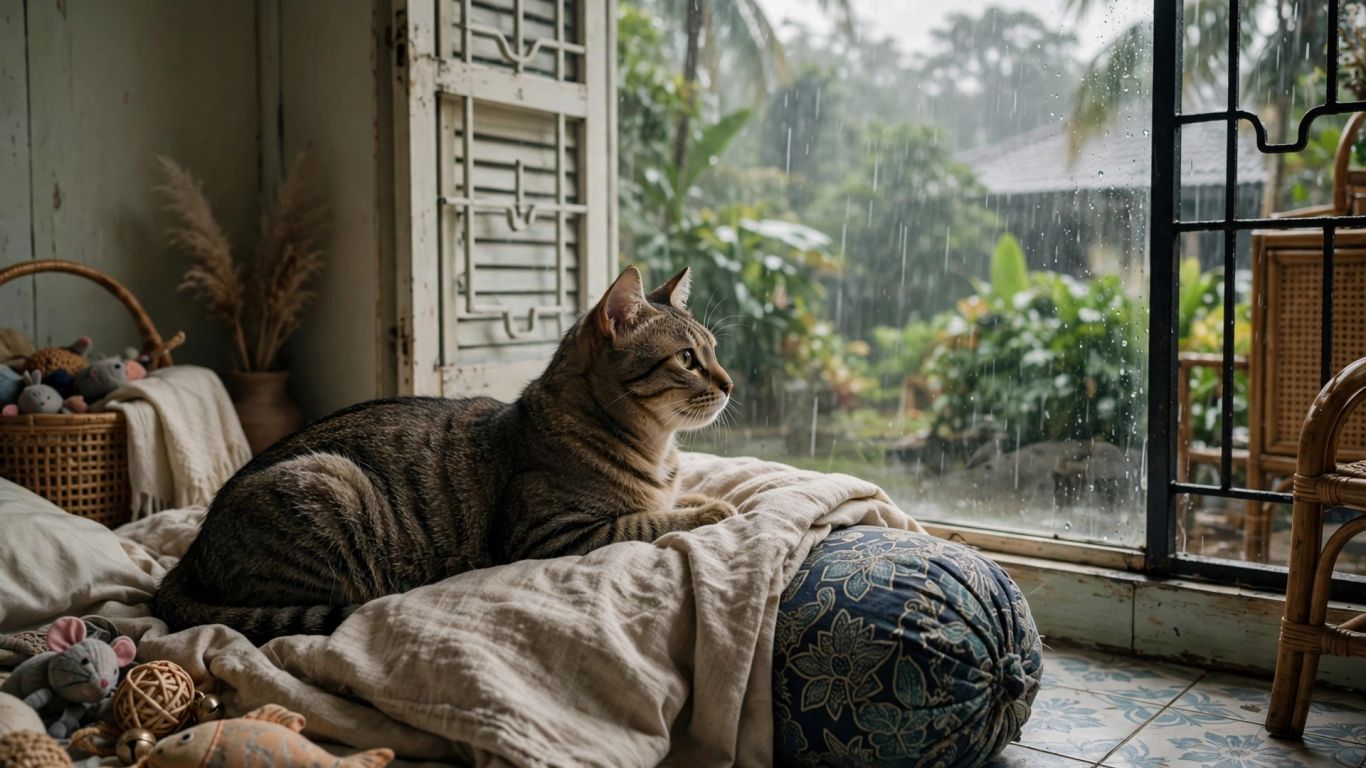
The sounds and rhythms of home life can be unpredictable, from afternoon storms to nearby construction and visiting relatives. Cats may cope by hiding, keeping their distance, or becoming more watchful. You cannot control every sound or visitor, but you can make the cat’s options more predictable and protect access to a quiet retreat. When stress appears around a particular event, preparation and recovery time both matter.
Manage thunder, construction noise, and other sudden sounds
Before a storm or planned noisy work, make sure a familiar hiding place is available and that food, water, and litter remain accessible. Close windows if it is safe to do so, and use a steady, comfortable background sound if your cat tolerates it. Stay calm and let the cat choose whether to approach you. These thunderstorm comfort steps may help you plan a quieter retreat for stormy weather.
Help cats adjust to visitors, moves, and household changes
A quiet room can be a useful option during gatherings, especially if it includes familiar bedding, water, and a litter tray. Ask visitors not to chase, reach for, or corner a cat that has chosen to keep its distance. After a move or other major change, let the cat explore at a pace that feels manageable and keep familiar routines where you can. For moving, a gradual settling-in plan can help organize quiet-room setup and exploration; for gatherings, visitor boundaries for cats offer more specific preparation ideas.
PAWSONA’s guidance includes the Zenkit Cat Calming Diffuser, described as support for calmer behavior during heat cycles and everyday stress for indoor cats in Malaysia. It may be one consideration alongside environmental adjustments, but no product replaces a safe retreat or a careful introduction to change.
Ease tension in multi-cat homes with separate resources
Cats sharing a home may need more ways to avoid one another, even if they sometimes rest together. Provide separate food and water locations, litter trays, resting spots, and routes through rooms so one cat cannot easily block another’s access. Watch for quiet signs of tension, such as one cat waiting before approaching a resource or consistently yielding a favored spot. A multi-cat resource plan can help you review the layout and look for places where an extra option might reduce competition.
Consider natural calming aids carefully
The word “natural” does not guarantee that an item is suitable or safe for every cat. Start with the low-risk environmental steps already discussed, then consider any calming aid in the context of your cat’s health, behavior, and living situation. Products may be described as support, but they should not distract from a possible medical problem or an ongoing stressor. If you are weighing options, PAWSONA offers pheromone diffuser kits, calming sprays, calming collars, and nutritional supplements.
Use scent and sound changes without introducing strong irritants
Cats are sensitive to their surroundings, so avoid adding strong fragrances or spraying scented products near a cat’s food, bedding, or hiding place. A familiar, quiet room and a steady sound level may be more comfortable than sudden changes or intense noise. If you try a scent-based product, follow its directions and observe your cat’s response; discontinue use and seek advice if your cat appears uncomfortable. Keep the cat free to move away from any new scent or sound.
Check safety before trying herbs, oils, or supplements
Do not assume that an herb, essential oil, or supplement used by people is safe for cats. Ingredients, concentration, how a product is used, and a cat’s individual health all matter. Ask your veterinarian before giving a supplement or applying a product, and share the full ingredient list. A cat supplement safety guide can help you review labels and storage details, but it is not a substitute for individualized veterinary advice.
Treat pheromone products as optional support, not a substitute for care
Pheromone products may be considered as one part of a broader plan, alongside appropriate resources and changes to the environment. If you decide to try one, follow the product instructions and keep track of what changes in your cat’s behavior over time. A diffuser placement guide explains practical setup and response tracking, while calming spray guidance covers safe use in the home. PAWSONA’s published range includes pheromone products, but your cat’s response should guide whether any particular aid is useful.
Know when to seek veterinary help
Home adjustments are a sensible starting point for mild, situational unease, but they are not a way to diagnose illness. A veterinarian can help distinguish stress-related behavior from pain or other health problems and advise on treatment options. Make an appointment when changes are sudden, persistent, or getting worse, and seek prompt help if your cat seems unwell or stops eating. You do not need to wait until a problem becomes severe to ask for support.
Arrange a checkup for sudden or persistent behavior changes
A new litter-box habit, loss of appetite, unusual hiding, increased vocalizing, or a marked change in social behavior deserves attention when it persists or appears abruptly. Tell the veterinarian when it began, what else changed, and whether you have noticed signs such as changes in drinking, movement, or grooming. Bring your notes if you have kept a log. Sharing what you have observed can help the veterinarian decide what needs checking.
Ask a veterinarian before using supplements or calming products
Before trying a supplement or calming product, ask whether it is appropriate for your cat and how it should be used. Mention existing health conditions and any medications or other products your cat receives. Keep packaging or a clear ingredient list available so the discussion can be specific. This is particularly useful when an item combines several ingredients or makes broad calming claims.
Get professional support when anxiety disrupts eating or daily life
If fear or distress is interfering with eating, resting, using the litter tray, or moving around the home, contact your veterinarian rather than relying only on changes at home. A treatment plan may involve investigating health, reducing triggers, adjusting the environment, or considering additional professional support. Medication can be a topic to discuss when appropriate; a veterinarian can explain the options and risks for your cat. The aim is to understand the cause and help your cat feel better, not to dismiss the behavior as a bad habit.
Conclusion
Reducing cat anxiety naturally in Malaysia begins with noticing what has changed and helping your cat feel safe, comfortable, and in control at home. Predictable routines, accessible resources, a cool retreat, and patient responses to change can all support well-being. If the behavior is sudden, persistent, or affecting eating and daily life, a veterinarian is the right next step.
Frequently Asked Questions
What are common signs of anxiety in cats?
Possible signs include more hiding than usual, changes in appetite or grooming, unusual vocalizing, irritability, and litter-box changes. Look for a shift from your cat’s normal behavior and consider the full context rather than relying on one sign alone.
Can a cat’s anxiety go away on its own?
A mild reaction to a temporary event may ease as the situation settles, but persistent or worsening behavior should not be ignored. Make the environment feel safe, note what is happening, and ask a veterinarian for advice if the change continues.
How can I calm my cat during a thunderstorm?
Make a familiar quiet retreat available, keep essential resources accessible, and allow your cat to choose where to settle. Avoid pulling them out of hiding or forcing interaction, and speak with a veterinarian if storm-related distress is severe or persistent.
Are essential oils safe to use around cats?
Do not assume essential oils are safe for cats. Their ingredients and concentration matter, and exposure may be unsuitable for an individual cat. Ask a veterinarian before using oils or scented products in your cat’s environment.
Do pheromone diffusers help anxious cats?
Some owners consider pheromone diffusers as optional support, but a cat’s response can vary. Follow the product directions, monitor behavior, and address the environment and underlying causes rather than relying on a diffuser alone.
How can I reduce stress between cats in one home?
Give cats separate access to food, water, litter, resting spots, and routes around the home. Watch for blocking or avoidance, and make adjustments so each cat can reach what they need without being forced to pass another.
When should I take an anxious cat to the veterinarian?
Arrange a checkup for sudden, persistent, or worsening behavior changes, and contact a veterinarian if distress affects eating or daily life. A professional can check for health problems that may resemble anxiety and discuss suitable support.