


Key Takeaways
Thunderstorms can unsettle cats through sudden noise, flashes, and changes in their surroundings. Preparing a safe retreat and responding calmly can help your cat feel more secure.
- Watch for changes in hiding, appetite, grooming, or vocalizing before and during storms.
- Give your cat a quiet indoor place to retreat to, and let them choose where to settle.
- Keep doors and windows secure, especially if your cat goes outdoors.
- After a storm, check for injuries or changes in eating and litter habits.
- Seek veterinary advice for severe, worsening, or persistent signs of distress.
How to recognize thunderstorm anxiety in cats
Cats can show fear in ways that are easy to miss, especially if they tend to retreat rather than make a fuss. Look for behavior that changes around stormy weather, not just one isolated sign. Keeping a loose note of what you observe can help you spot a pattern and explain it clearly to your veterinarian.
Subtle stress signals before the storm
Some cats react as the sky darkens or rain starts, before the first loud thunderclap. Your cat may pace, become unusually clingy, stop playing, or move to a tucked-away spot. Changes in grooming, appetite, or interest in usual activities can also signal unease. These shifts do not prove storm anxiety on their own, but a repeating connection with stormy weather is worth noticing. For other signs and possible triggers, see this guide to cat anxiety in Malaysia.
Fearful behaviors during thunder and lightning
When a storm is underway, a frightened cat might crouch, flatten their ears, tremble, hide, or vocalize more than usual. Some cats become still and watchful instead, so a quiet cat is not necessarily a comfortable one. The combination of behaviors and how long they last matters more than any single cue. This simple comparison can help you describe what you see without assuming every cat responds the same way.
| What you notice | Possible stress response | What to observe |
|---|---|---|
| Hiding in a closet or under furniture | Seeking shelter | Whether your cat comes out afterward |
| Ears held back or a crouched posture | Feeling wary or threatened | Whether the posture eases in a quiet space |
| Repeated vocalizing or pacing | Distress or difficulty settling | When it starts and how long it continues |
| Eating less than usual | Stress, or another possible concern | Whether appetite returns after the storm |
A behavior log is not a diagnosis, but it can help distinguish a brief reaction from a pattern that is affecting your cat’s normal routine. If you notice a sudden or persistent change, include it in a conversation with your veterinarian.
When hiding or vocalizing may signal a more serious problem
Hiding is a common way for cats to cope, and it is usually best to let them remain in a safe place. Concern rises when the behavior is prolonged, becomes more intense over time, or comes with signs such as not eating, repeated vomiting, or difficulty using the litter box. Loud or unusual vocalizing can also have causes other than fear. A broader overview of cat stress signals may help you notice changes beyond the storm itself.
Why storms can frighten cats in Malaysia
A storm can change a cat’s environment in several ways at once: sound, light, and the ordinary rhythm of the home may all shift suddenly. Malaysia’s periods of frequent heavy rain can mean repeated exposure, but that does not make every cat comfortable with storms. Your cat’s previous experiences and individual temperament also shape how they respond.
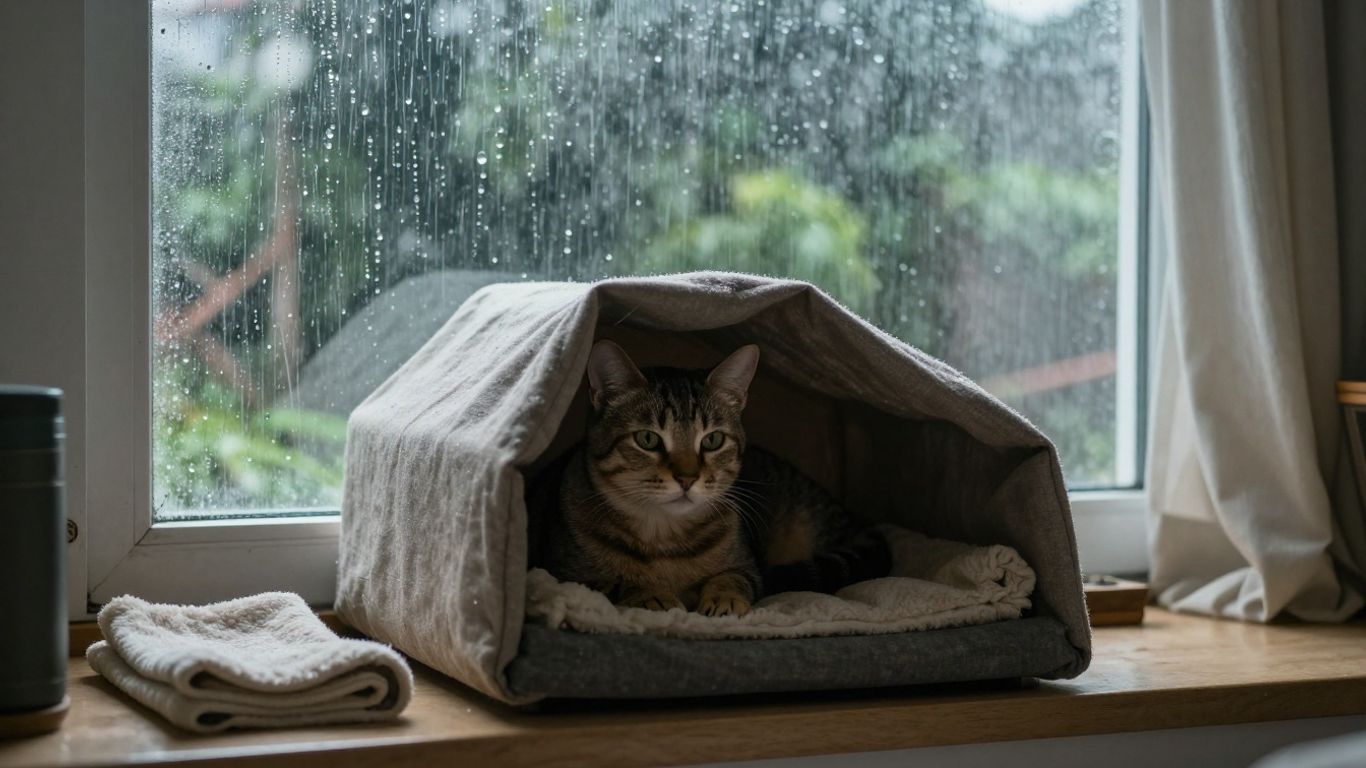
How thunder, lightning, and heavy rain affect a cat’s senses
Thunder and driving rain can create abrupt, hard-to-place sounds, while lightning briefly changes the light in a room. To a cat who cannot understand the weather outside, those sensations may feel unpredictable. Closed windows and a sheltered resting spot can soften some of the disruption, though they cannot make every storm silent or invisible. General advice on pets and thunderstorm fear also discusses how sudden noise and flashes can contribute to storm-related distress.
Monsoon seasons and frequent storm exposure
During wetter stretches of the year, storms may recur before a cat has fully settled after the previous one. Indoor cats can still be affected by rumbles, rain on the roof, or flashes through a window. Rather than assuming frequent exposure will automatically help, watch how your own cat behaves across different storms. A calm response one day does not guarantee the next storm will feel the same.
Past experiences, temperament, and changes in routine
A cat who has previously been startled, displaced, or otherwise unsettled may be more watchful when the weather changes. Some cats are naturally more cautious; others take sudden sounds in stride. Changes such as a new home, altered routines, or unfamiliar people can add to the general load of stress. In these moments, a calming home environment starts with predictable routines and places where your cat can retreat without being disturbed.
How to prepare your cat before a storm
Preparation is mostly about making the home feel familiar and keeping your cat safely indoors. You do not need to predict the exact moment a storm will arrive to make a useful difference. A few low-key arrangements, practiced during ordinary weather, can make the space easier to use when your cat feels unsettled.
Set up a familiar, secure hiding place indoors
Notice where your cat already chooses to rest when they want privacy. A covered bed, a quiet room, or a spot beneath a sturdy piece of furniture may work if it is safe and accessible. Keep familiar bedding nearby, and make sure water and a litter box remain available without putting them right beside the hiding place. Before a storm, check that the route to this retreat is not blocked by bags, visitors, or other household activity.
Reduce exposure to outdoor noise and flashes
Close windows and curtains if it is safe to do so, and choose a room farther from exposed windows when possible. Familiar, steady household sounds may make sudden rumbles less startling, though they will not remove the storm. If you are preparing several parts of the home, a simple short list can keep the focus on practical steps rather than elaborate changes.
- Close accessible windows and secure screens.
- Draw curtains or blinds where flashes are visible.
- Put familiar bedding in the chosen retreat.
- Keep water and litter access clear.
These are small adjustments, but together they make the indoor space more predictable. Avoid introducing a new hiding place or noisy device for the first time during an active storm; let your cat encounter changes when the home is calm.
Update identification and plans for cats that go outside
Cats who normally go outdoors may be tempted to bolt when startled, so bring them inside before the weather becomes severe whenever you can. Check that doors, windows, and screens close securely, and make sure identification details are current. If your cat is used to coming and going, plan ahead for a safe indoor option rather than trying to call them home in the middle of a downpour. A home-preparation guide that includes website planning and launch basics is not cat-specific, but the underlying idea of preparing before a deadline applies here: make arrangements before they are urgently needed.
What to do while a storm is happening
When thunder starts, your cat may need less attention than you think. Keep the household calm, make the safe retreat available, and avoid turning the storm into a stressful interaction. Your steady presence can help, but the cat should remain in control of whether they want contact.
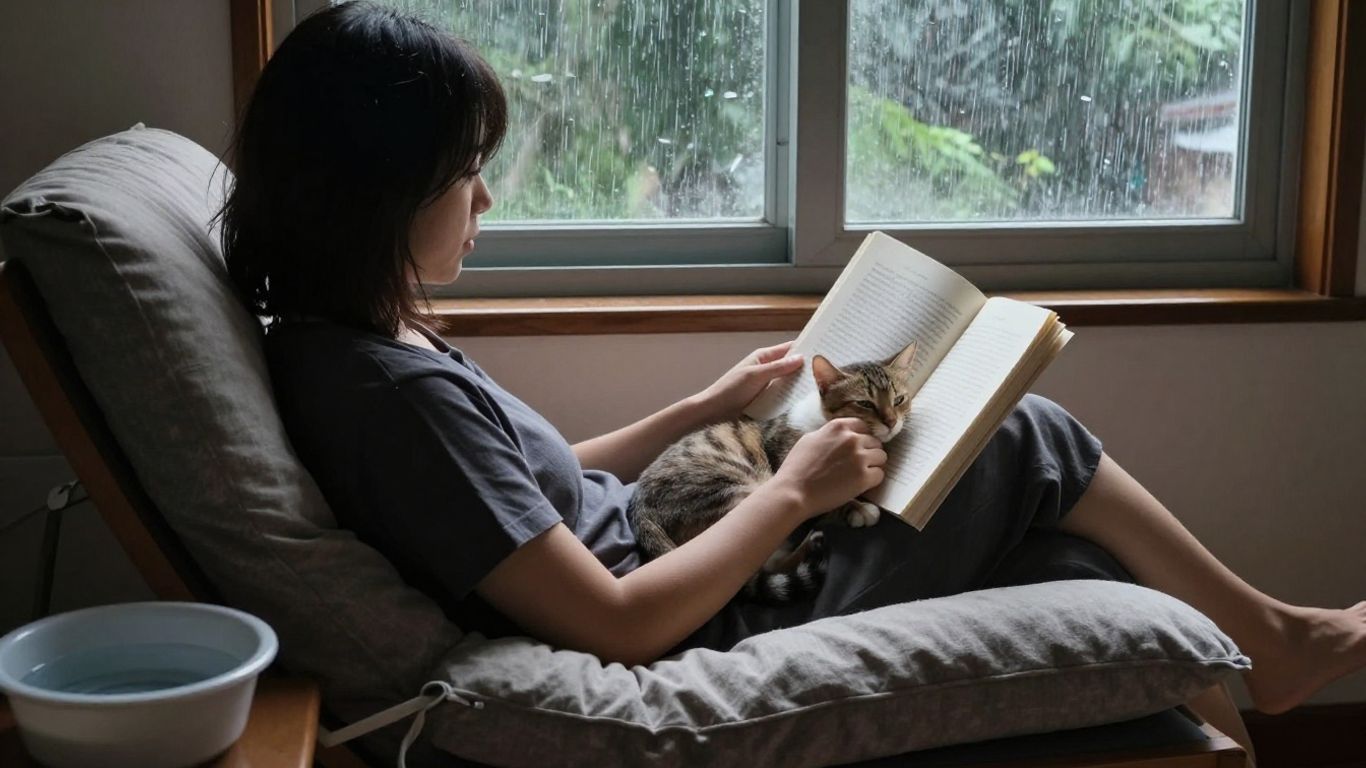
Stay calm and let your cat choose where to settle
Use your usual voice and move at an unhurried pace. If your cat comes to you, offer gentle company, but do not follow them around if they choose to hide. Some cats want to stay close; others need distance. Allowing that choice can help preserve a sense of safety when much of the environment feels unpredictable.
Use familiar sounds and routines to soften sudden noise
A familiar routine—such as settling in the same room or offering a usual meal—can make the home feel less disrupted. Soft, steady background sound may also reduce the contrast between quiet moments and a sudden clap of thunder. Keep the volume comfortable and watch your cat’s response; if they seem more unsettled, turn it off. PAWSONA’s Pheromone Spray for Cats in Malaysia is described as a pheromone spray for stress and fears in situations including loud noises and thunderstorms; use it only as directed and as one part of a broader plan, not a substitute for safety or veterinary care.
Avoid punishment, forced handling, or pulling a cat from hiding
A frightened cat is not misbehaving, and scolding will not teach them that the storm is harmless. Do not reach into a hiding space to pull them out unless there is an immediate safety concern. Forced handling can increase distress and may lead to scratching or biting. If you need to move your cat because the current spot is unsafe, do so gently and only as much as necessary; otherwise, give them room to settle.
How to support recovery after a storm
Once the weather passes, most cats benefit from having their usual environment restored without pressure. They may emerge quickly, or need more time before returning to normal routines. Look for practical signs of recovery and keep an eye out for anything that suggests injury or ongoing distress.
Give your cat time and space to return to normal
Let your cat leave their hiding place in their own time. Avoid crowding them with visitors or offering repeated attempts to coax them out. When they do come out, continue familiar routines and make essentials easy to reach. PAWSONA’s calming diffusers are described as providing continuous stress support; if considering one for your home, use it as a supportive environmental measure, not a promise that storms will no longer frighten your cat.
Check for escape, injury, or changes in eating and litter habits
When your cat is ready, observe how they move and whether they return to drinking, eating, and using the litter box as usual. If they were outdoors during the storm, check for signs of injury and confirm that they are safely back inside. Persistent appetite changes or trouble urinating deserve prompt veterinary attention. For general recovery-space ideas, a post-surgery recovery guide discusses keeping a cat’s environment calm and monitoring changes, though storm recovery is a different situation.
Track storm-related behavior to spot patterns
A brief record can show whether your cat’s reaction is occasional or becoming more disruptive. Include what the weather was like, where your cat settled, and what changed afterward. Keeping notes can also make veterinary conversations more useful. Some people use a digital record to organize observations; ADO Time Tracker is described as a time-management tool for teams, so it is not a pet diary, but the page illustrates structured tracking and reporting.
When to seek veterinary help
It is reasonable to ask for help when storm fear disrupts your cat’s daily life or seems to intensify. A veterinarian can assess whether the signs are related to anxiety, another health issue, or a combination of factors. Support should be matched to your cat rather than chosen solely from a product label or general online advice.
Signs of severe or worsening anxiety
Contact a veterinarian if your cat repeatedly injures themselves while trying to escape, remains distressed long after storms end, or stops eating or using the litter box normally. Sudden changes deserve attention too, particularly in older cats or cats with known health concerns. If there is breathing difficulty, collapse, or a serious injury, seek urgent veterinary care rather than waiting to see whether the fear passes.
How a veterinarian can rule out health problems
Pain and illness can change a cat’s behavior, and stress can overlap with symptoms that have a medical cause. Tell the veterinarian when the changes began, how often they occur, and whether they happen only during storms. Photos or notes may help explain what you have observed. General information about doctor-prescribed anxiety support concerns human digital health services, not veterinary treatment, so it should not guide medication decisions for a cat; your cat’s veterinarian is the right person to assess their health.
Discussing behavior support and medication safely
Ask the veterinarian what environmental changes, behavior support, or treatment options may suit your cat. Be clear about any products or supplements already in use, and do not give human medication unless a veterinarian specifically directs you to do so. PAWSONA’s cat pheromone products include sprays and diffusers intended to support cats facing stressors such as thunderstorms; they are supportive tools, and a veterinarian can help decide whether they fit alongside other care.
Conclusion
Thunderstorms may be unavoidable, but your cat does not have to face them without support. A secure retreat, steady routines, and a calm response can make the home feel more predictable, while careful observation helps you recognize when professional guidance is needed. Start with what your cat already finds comforting, and adjust gently as you learn what works for them.
Frequently Asked Questions
Why does my cat hide when it thunders?
Hiding is a common way for cats to seek shelter when sudden sounds or flashes feel threatening. If the hiding is prolonged or comes with other concerning changes, talk with your veterinarian.
Can cats sense a storm before the thunder starts?
Some cats may react as the light, rain, or sounds around them begin to change. A pattern of early stress signs can help you prepare a quiet space before the storm intensifies.
Should I comfort my cat during a thunderstorm?
You can offer calm company if your cat seeks it, but let them choose whether to approach. Avoid forcing contact or pulling them from a hiding place.
Should I keep my cat indoors during a storm?
Yes, keeping your cat safely indoors reduces the risk of them becoming lost or injured when startled. Bring outdoor cats inside before severe weather when possible.
Will my cat eventually get used to thunderstorms?
Some cats may become less reactive, while others remain fearful or become more distressed. Do not assume repeated exposure will resolve the problem; observe your cat and seek veterinary advice if the fear affects their well-being.
What should I do if my cat will not eat after a storm?
Give your cat a quiet, familiar space and monitor whether they return to eating. If appetite loss persists or comes with other symptoms, contact a veterinarian.
When is thunderstorm anxiety an emergency?
Seek urgent veterinary care for breathing difficulty, collapse, serious injury, or other severe symptoms. For recurring fear without an immediate emergency, arrange a veterinary appointment to discuss the pattern and possible support.