


Key Takeaways
A calmer cat usually starts with understanding what feels unsafe or unpredictable, not with adding a product. Small, steady changes can make home life easier while you watch for signs that need veterinary attention.
- Look for changes in behavior and consider what may have triggered them.
- Offer quiet hiding places, predictable resources, and comfortable resting areas.
- Use play and gradual routine changes to support a sense of security.
- Check the safety and intended use of any calming aid with your veterinarian.
- Track behavior over time and seek help for persistent or worsening changes.
Understand what may be causing your cat’s stress
Cats can react to changes that seem minor to people: a new sound, an unfamiliar visitor, or a shift in the household routine. Before trying to calm a cat, consider what has changed and whether a health problem could be behind the behavior. A few careful observations can help you respond to the cause rather than only the visible sign.
Common triggers at home and outdoors
A move, renovation, new pet, or changed work schedule can disrupt the familiar patterns cats rely on. Outside, unfamiliar animals, traffic, or construction sounds may also be unsettling, even if your cat stays indoors. For ideas on Malaysian home adjustments and recognizing triggers, see this cat anxiety guide.
If you are trying to identify a pattern, note what happened just before the behavior began. A guide to cat anxiety signs also covers common changes such as hiding and altered appetite, which can help you decide what to observe at home.
Signs of stress versus possible illness
Hiding, avoiding interaction, increased vocalizing, or reacting defensively can be signs of distress, but they do not prove stress is the cause. Pain and illness may look similar, and a cat may conceal discomfort. A sudden change matters more than any single behavior viewed in isolation.
If your cat’s behavior has shifted, consider the timing and look for other changes too. A new pattern that persists or appears alongside physical symptoms deserves veterinary attention rather than a home diagnosis.
How changes in appetite, grooming, and litter habits can help guide you
Appetite, grooming, and litter habits provide useful clues when you compare them with your cat’s normal behavior. A change can occur with stress, but it can also have a medical cause, so treat it as information to discuss with a veterinarian rather than as a diagnosis. This simple comparison can help organize what you notice:
| What you notice | What to record | Why it helps |
|---|---|---|
| Eating less or more | Amount eaten and when | Shows whether the change is brief or continuing |
| More grooming or less grooming | Areas groomed and any skin changes | Helps describe a new pattern clearly |
| Litter box changes | Frequency, location, and any straining | Gives the veterinarian specific details |
Use the notes to describe a pattern, not to decide on your own what is wrong. If your cat strains to urinate, seems unable to pass urine, or stops eating, contact a veterinarian promptly.
When to contact a veterinarian
Contact a veterinarian when a behavior change is sudden, severe, persistent, or accompanied by signs of illness or pain. Difficulty urinating, repeated vomiting, marked lethargy, or refusal to eat warrants prompt advice. If stress seems likely, a professional can still help rule out medical causes and guide the next steps.
Create a calmer home environment
A home does not need to be silent or perfectly arranged to feel safe to a cat. What often helps is having reliable access to essentials and somewhere to retreat without being followed. In Malaysia, it is also worth considering whether warmth and humidity make a chosen resting place uncomfortable.
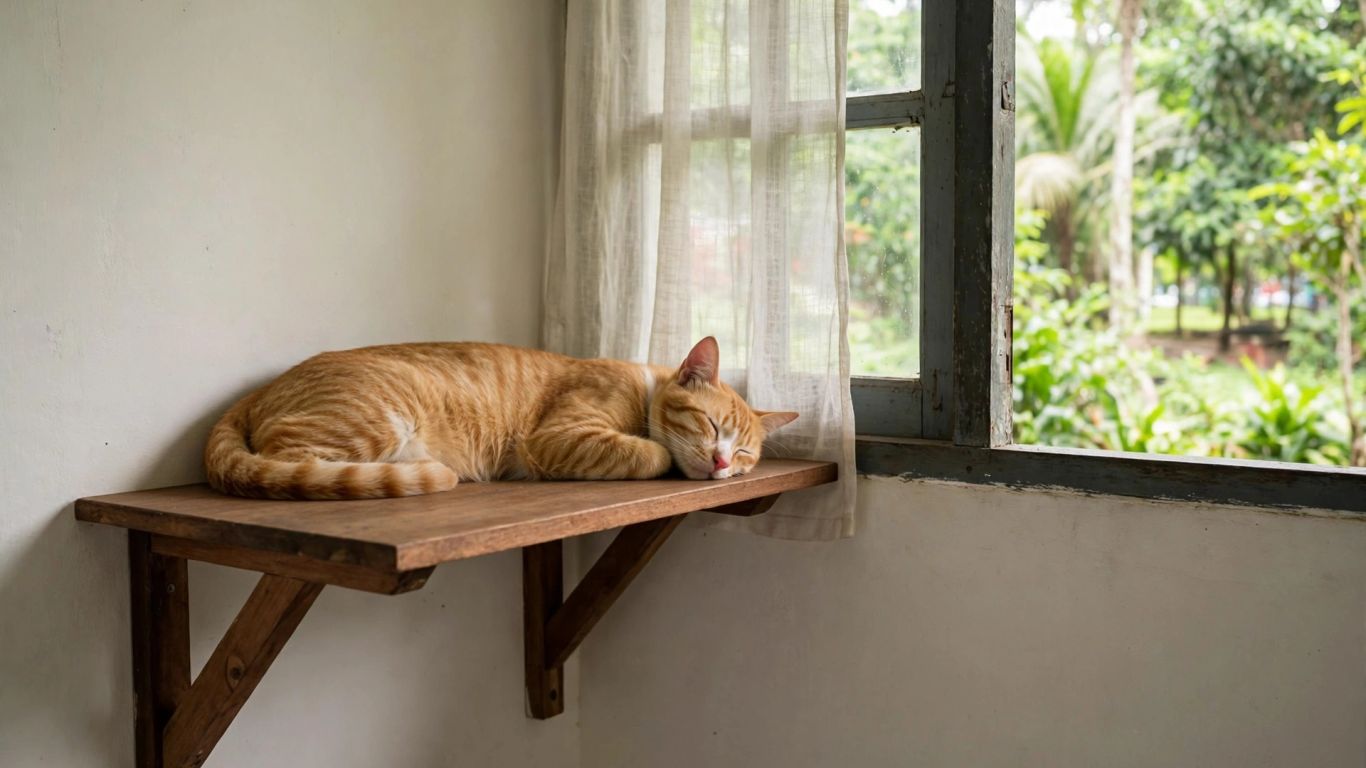
Set up safe hiding spots and elevated resting areas
A box, covered bed, or quiet spot behind furniture can give a cat a place to withdraw when the household feels busy. Some cats also prefer a stable elevated perch where they can observe without being approached. Make sure a retreat is easy to enter and leave, and never pull a hiding cat out just to encourage interaction.
Make food, water, and litter access predictable
Keep food, water, and litter in accessible places where a cat is unlikely to be cornered by another pet or household traffic. In a multi-cat home, separate resource locations can reduce competition; the multi-cat household guide covers ways to arrange distinct areas. Avoid moving everything at once, since a familiar layout can itself be reassuring.
Reduce noise and manage visitors or other pets
Sudden noise and direct attention from visitors can make some cats retreat or react. Give your cat an undisturbed room or hiding place, and ask guests to let the cat approach first. If a gaming setup is contributing to noise, lowering its volume may help; this audio settings guide discusses adjusting sound for Counter-Strike 2, though it is not a cat-care resource.
For a short, practical plan, start with a few changes rather than trying to remake the whole home at once:
- Give your cat a quiet retreat that visitors will leave alone.
- Keep food, water, and litter routes clear of busy areas.
- Separate resources if another pet is blocking access.
- Reduce sudden household noise where you can.
Then observe whether your cat uses the retreat and moves around more comfortably. If visitors are a recurring trigger, consistent boundaries matter more than encouraging the cat to socialize.
Adjust the space for Malaysia’s heat and humidity
Choose resting places with shade and airflow, and make sure fresh water is readily available. A cat may avoid a bed or hiding spot that becomes stuffy, so check how warm the area gets through the day. The general topic of indoor humidity also appears in this indoor air quality overview, which concerns Memphis-area homes rather than Malaysian veterinary advice.
Use play and routines to support relaxation
Predictability gives cats more control over daily life, while play offers an outlet for normal chasing and exploring. The right routine depends on your cat’s age, health, and temperament; a senior cat may prefer gentle activity, while a younger one may seek more frequent play. Build habits that are easy to maintain rather than aiming for a perfect schedule.
Build short, consistent play sessions into the day
Brief play at a regular time can help a cat anticipate interaction and use energy in a safe way. Follow your cat’s interest, keep movements manageable, and let the cat catch the toy now and then. Stop if your cat seems tired, uncomfortable, or overwhelmed.
Offer enrichment that suits your cat’s age and temperament
Some cats enjoy a wand toy or a puzzle feeder, while others would rather watch birds from a secure window or investigate a cardboard box. Rotate a few safe options so they stay interesting, and avoid forcing an activity that seems to make your cat wary. For older or unwell cats, ask your veterinarian what level of activity is appropriate.
Use predictable feeding and rest schedules
Regular meals and familiar quiet periods can make a day feel easier to anticipate. A schedule need not be exact to the minute; consistency in the general order of events is often a practical starting point. Keep resting areas available even when the rest of the household is active.
Introduce changes gradually
When you need to move furniture, introduce a new pet, or change a routine, break the transition into manageable steps when possible. Let your cat explore at its own pace and preserve familiar objects during the adjustment. If you are preparing for a move, use a moving-home plan for cats to think through the transition and keep your cat secure.
Consider natural calming aids with care
“Natural” does not automatically mean safe or suitable for every cat. Start with familiar comforts such as bedding and quiet space, and ask a veterinarian before adding a product, herb, or supplement. Calming aids should support a broader plan, not replace investigating a sudden behavior change.
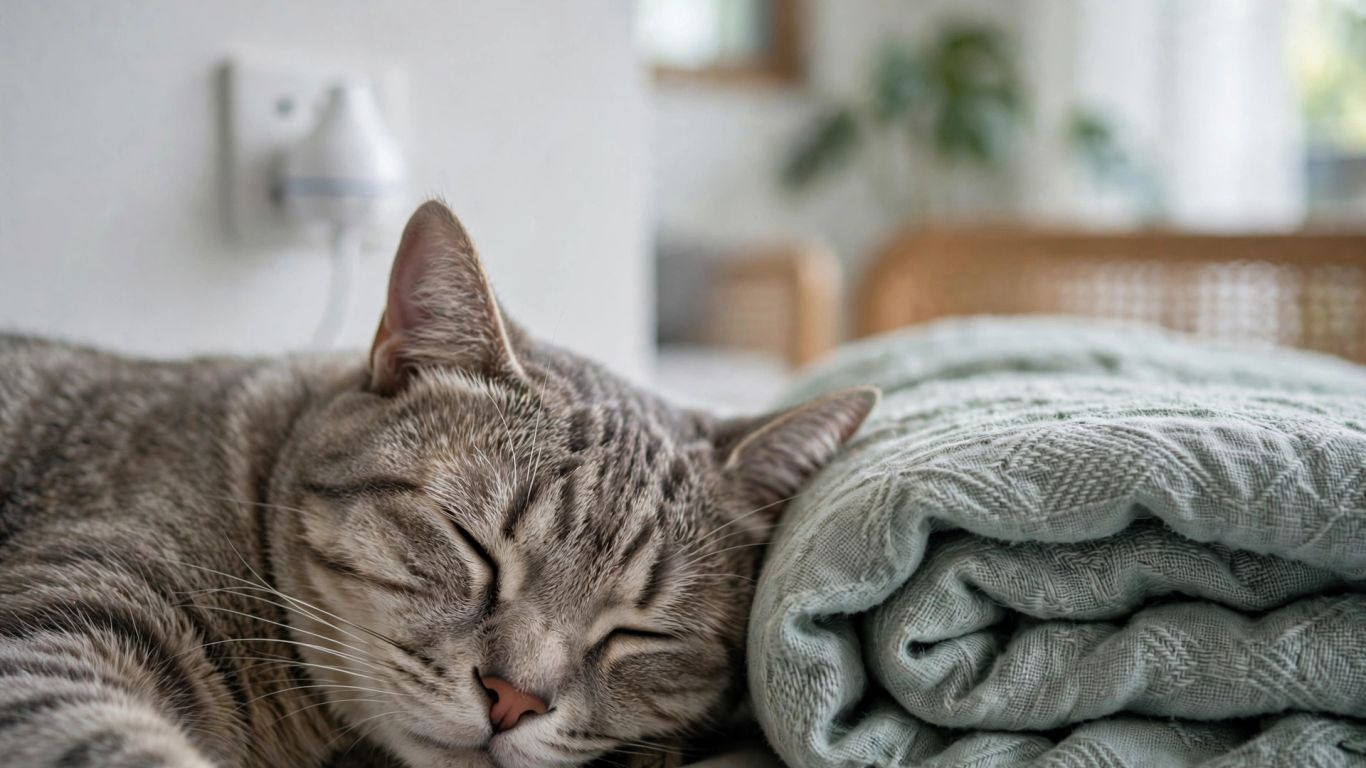
Try familiar scents and bedding rather than strong fragrances
A bed or blanket that already smells familiar may be more comforting than an unfamiliar scented product. Avoid adding perfumes or strongly fragranced cleaners around a cat’s retreat, especially if the cat moves away from them. Keep new items optional so your cat can approach or avoid them.
Weigh the potential role of pheromone products
Pheromone products are one possible support, but their suitability and results can vary, and they do not resolve every trigger. The diffuser setup guide explains placement and behavior tracking, while keeping environmental changes and veterinary advice in view. PAWSONA® Zenkit™ Cat Calming Diffuser is described as supporting calmer behavior during heat cycles and everyday stress; consider the stated use and ask your veterinarian whether it fits your cat’s situation.
Check ingredients and safety before using herbs or supplements
Read the full ingredient list, intended use, and directions before offering a supplement, and check with a veterinarian if your cat has a health condition or takes medication. A cat supplement safety guide can help you review labels and identify questions to ask. Do not assume an ingredient is safe simply because it is plant-based.
Avoid essential oils and unverified remedies unless your vet approves
Essential oils and homemade remedies can pose risks to cats, and online advice may omit important details about concentration or exposure. Do not apply a product to your cat or diffuse a strong oil in a shared space unless your veterinarian has approved it. PAWSONA nutritional supplements are among the product types the brand describes, but any supplement choice should still be checked for your individual cat.
Choose products available in Malaysia thoughtfully
Products sold locally can differ in format, ingredients, directions, and storage requirements. Read the label and decide what problem you are trying to address before buying anything. A product is not a substitute for veterinary care when behavior changes are sudden or severe.
Compare labels, intended use, and directions
Check whether the product is intended for cats, what situation it is designed for, and how it should be used. Pay attention to warnings and avoid combining calming products without professional advice. When considering options, PAWSONA pheromone products are described as intended to help ease stress, anxiety, and unwanted behaviors; assess the specific product label rather than assuming every format is interchangeable.
Check storage needs in a warm, humid climate
Follow the package directions for temperature, moisture, and after-opening storage. Keep products away from direct sun and out of reach of pets and children, and do not use anything that appears damaged or changed. If a label is unclear, ask the seller or a veterinarian before using the product.
Buy from reputable local retailers or veterinary clinics
Look for clear labeling, intact packaging, and a seller who can answer questions about the product’s intended use. A veterinary clinic can help assess whether an aid is appropriate, especially if your cat has health concerns. When comparing online offers, practical price-tracking tips can help you review discounts and shipping costs; they are shopping advice, not a way to assess product safety.
Factor in ongoing cost and your cat’s response
Consider how often a product needs replacing and whether the ongoing cost is manageable before starting. Observe your cat rather than assuming a product is helping simply because you have purchased it. For other household purchases, a materials and estimates checklist offers a comparison framework, though it is about locksmith services, not cat products.
Track progress and know when to seek more help
Stress can be hard to assess because behavior varies from day to day. A brief record helps distinguish a continuing pattern from a one-off reaction and makes conversations with a veterinarian more useful. Focus on what you can observe, without labeling your cat as difficult or misbehaving.
Keep a simple log of triggers and behavior
Write down the date, what changed in the environment, and what you noticed afterward. Include appetite, grooming, litter habits, and how long the behavior lasted if relevant. A few clear entries can reveal patterns that are easy to miss when relying on memory.
Give environmental changes time to work
Make one or two manageable changes, then allow your cat time to explore and adjust. Avoid changing several products, rooms, and routines at once, since it becomes difficult to tell what helped. If your cat appears more distressed or develops new symptoms, do not wait for a trial period to end before seeking advice.
Review outcomes with your veterinarian
Bring your notes and any product packaging or ingredient lists to the appointment. Tell the veterinarian what you changed and when, including whether your cat’s appetite or litter habits shifted. This makes it easier to discuss both medical possibilities and practical changes at home.
Seek professional guidance for persistent or worsening stress
If your cat continues to hide, avoids food, becomes aggressive, or has ongoing litter changes, ask for professional guidance. A veterinarian can check for illness and advise whether behavior support is also useful. Getting help is not an overreaction; it is a way to understand what your cat needs.
Conclusion
Natural cat calming solutions in Malaysia work best as part of a thoughtful approach: look for the source of stress, make home life predictable, and introduce any aid cautiously. Keep observing your cat, and involve a veterinarian when behavior changes persist, worsen, or come with signs of illness.
Frequently Asked Questions
What are natural ways to help a stressed cat?
Start with safe hiding places, predictable access to food, water, and litter, and a routine that suits your cat. Familiar bedding and gentle play may also help, while persistent or sudden changes should be discussed with a veterinarian.
How can I tell if my cat is stressed?
Possible signs include hiding more, changes in appetite or grooming, increased vocalizing, defensive behavior, or changes in litter habits. These signs can also have medical causes, so a veterinarian can help assess a new or persistent pattern.
Can a calming product replace changes at home?
A calming aid should not replace addressing the trigger or providing a safe environment. Consider the product’s intended use, follow its directions, and consult a veterinarian if you are unsure whether it is appropriate.
Are herbs and supplements safe for cats?
Safety depends on the ingredient, amount, product, and individual cat. Check the label and consult a veterinarian before use, especially if your cat has a health condition or takes medication.
Should I use essential oils to calm my cat?
Do not use essential oils around or on your cat unless your veterinarian has specifically approved the product and method. Cats can be sensitive to substances that people consider harmless or natural.
How long should I wait to see whether a home change helps?
There is no single timeline that fits every cat. Make changes gradually and track behavior, but contact a veterinarian sooner if your cat worsens, stops eating, has difficulty urinating, or seems unwell.
When should I take a stressed cat to the veterinarian?
Seek advice for sudden, severe, persistent, or worsening behavior changes, and promptly for signs such as difficulty urinating, repeated vomiting, marked lethargy, or refusal to eat. A veterinarian can check for medical causes and suggest next steps.