


Key Takeaways
A good litter box setup fits your cat’s body, habits, and comfort—not just the room you have available. Small, steady adjustments can make the box easier to use and easier to care for.
- Choose a box your cat can enter, turn around in, and dig in comfortably.
- Place it somewhere quiet and easy to reach, away from food and water.
- Keep litter type and depth comfortable, and make changes gradually.
- Provide enough boxes for the cats and floors in your home.
- If your cat avoids the box, check the setup and consider whether a health issue may be involved.
Understand the main litter box styles
Litter boxes come in several shapes, and each makes a different tradeoff between access, cleanup, and mess containment. Your cat’s comfort matters more than whether a style looks tidy in a room. Watch how your cat enters, turns, and digs before settling on a design.
Open pans and their benefits
An open pan gives a cat a clear view of the surrounding area and makes stepping in and out straightforward. It is also easy to inspect and scoop, which can be useful while you are learning your cat’s routine. Some cats prefer this uncomplicated setup, though litter may scatter more easily around it.
Covered boxes and odor containment
A covered box can help contain scattered litter and give people a less direct view of the contents. But a hood does not replace regular scooping, and some cats dislike enclosed spaces or the way odors collect inside. If you try one, leave your cat’s familiar option available at first and notice whether the new box is actually used.
High-sided, top-entry, and self-cleaning designs
High sides can help when a cat kicks litter over the edge, while a top-entry design changes how the cat gets into the box and may not suit every age or mobility level. Self-cleaning designs can reduce the need for routine scooping, but they still need maintenance and a cat must be comfortable using them. Compare the practical differences before choosing; the table below is a starting point, not a ranking.
| Style | Potential advantage | What to consider |
|---|---|---|
| Open pan | Easy entry and inspection | Litter may scatter |
| Covered box | More visual privacy and containment | Some cats may dislike an enclosed space |
| High-sided box | Helps contain kicked litter | The entry must remain accessible |
| Self-cleaning design | Less routine manual scooping | Check comfort, maintenance, and instructions |
Think of the style as one part of the setup. For broader comparisons of self-cleaning designs and other options, see this self-cleaning litter box guide; your cat’s response at home is still the best test of fit.
Disposable boxes for travel or temporary use
A disposable box can be convenient during travel, a move, or a temporary stay, particularly when carrying and washing a permanent pan is awkward. Make sure the sides and base are sturdy enough for your cat and the litter you plan to use. For trips where you need to plan bathroom stops, a guide to Camden Market toilets covers facilities for people; a cat’s travel setup needs its own familiar box and safe, quiet place.
Choose the right size and design
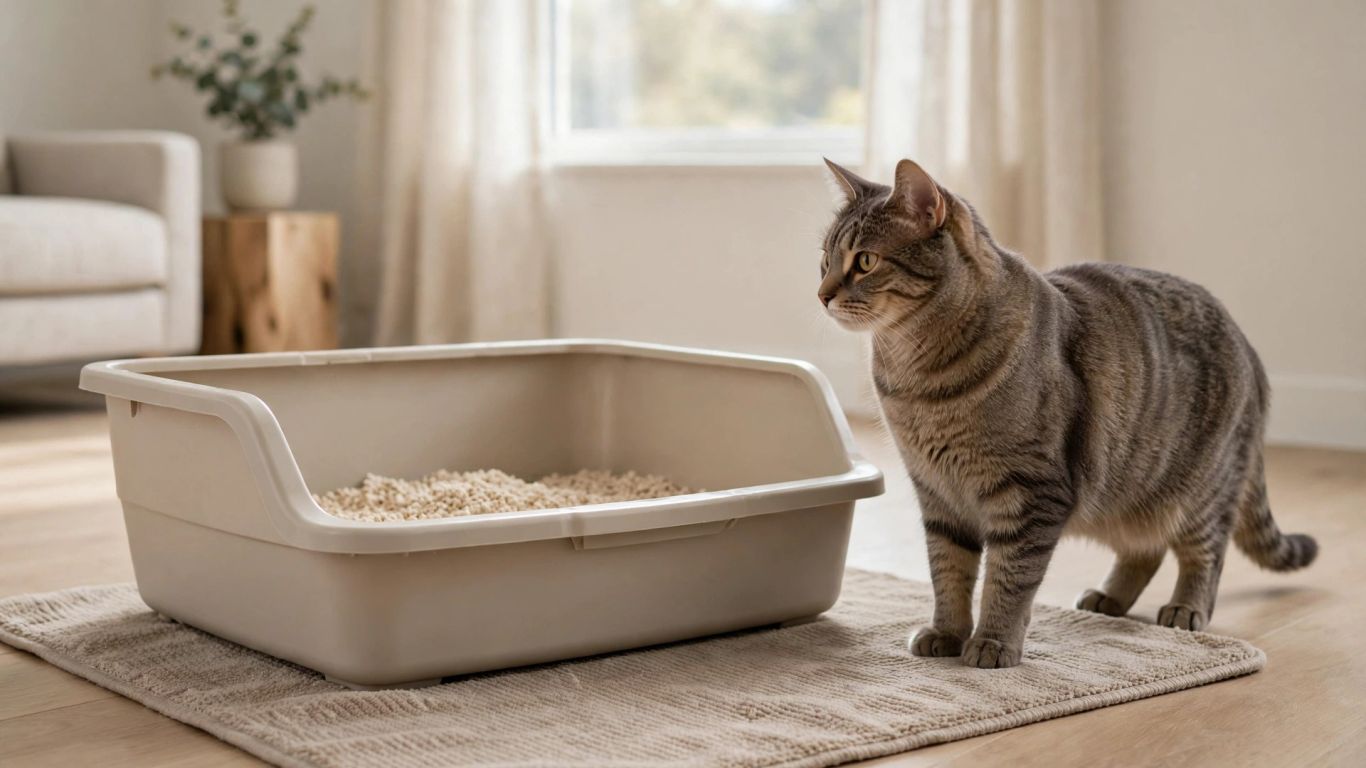
A box can look roomy on the floor and still feel cramped to the cat using it. Leave enough space for your cat to enter, turn around, dig, and settle without bumping into the sides. Think about how your cat moves today, while leaving room for changes in age, health, or routine.
Match box dimensions to your cat’s body
Look for a pan that lets your cat turn around comfortably and use different parts of the box without being forced into one position. A box that is too small may make digging and covering waste awkward, especially for a larger cat. If you are unsure, observe your cat’s movements in the current box before choosing another; this cat litter box setup guide also walks through matching a setup to a cat’s size and habits.
Make entry easy for kittens and senior cats
Kittens, older cats, and cats with limited mobility may find a tall step difficult to manage. Choose an entry height that your cat can use without jumping or straining, while keeping enough room inside to move comfortably. If your cat’s mobility changes, reassess the box rather than assuming the old design will continue to work.
Consider digging habits and litter scatter
Some cats dig energetically or send litter flying as they cover their waste. A box with higher sides may help contain the mess, provided your cat can still get in and out easily. Notice where litter lands and whether your cat’s behavior changes with a different pan; a mat outside the entrance can also catch stray granules.
Account for cleaning access and available space
A box needs to fit the room, but you also need to be able to reach inside and clean it properly. Before buying, consider whether nearby furniture, a lid, or a tight corner will make scooping awkward. The best fit balances access and comfort for both you and your cat, rather than hiding the box at all costs.
Pick a suitable location
Cats are more likely to use a box that feels safe and is easy to reach. A quiet corner can work well, but a space that is too isolated or frequently blocked may not. Look at the room from your cat’s perspective: can they approach without being startled, trapped, or interrupted?
Choose a quiet, accessible spot
Choose a location with modest foot traffic and a clear route in and out. Loud appliances, sudden activity, or a door that is often shut can make a box less inviting. Cats who seem unsettled by changes in their surroundings may benefit from a calmer home routine; PAWSONA offers calming pheromone diffuser kits, sprays, collars, and nutritional supplements designed to help create a calmer environment so cats can adapt more comfortably during stressful situations.
Keep the box away from food and water
Keep the litter box separate from your cat’s feeding and drinking areas. A little distance can make each resource easier to use without the other being in the way. In a small home, even a different corner or a nearby separate room can help create clearer spaces for eating, drinking, and elimination.
Provide options in multilevel homes
In a home with more than one floor, a cat may not want—or be able—to travel far whenever they need the box. Consider placing a box on each level your cat regularly uses, especially if stairs are difficult. When planning a home around a new arrival, a gradual cat introduction plan can help owners think through quiet spaces and predictable routines, too.
Avoid sudden changes to the box location
Cats often rely on familiar routes and surroundings. If you need to move a box, shift it gradually when possible and keep the route to it clear. A sudden move may leave a cat searching for the old spot, so monitor use and make sure the new location feels accessible before removing the previous option.
Select litter and fill the box
Litter texture, scent, dust, and depth can all influence whether a cat feels comfortable using a box. There is no single choice that suits every cat, so use your cat’s behavior as feedback. If you are comparing options, this guide to choosing cat litter offers more detail on litter types, gradual changes, odor, and dust.
Compare clumping, non-clumping, and natural litters
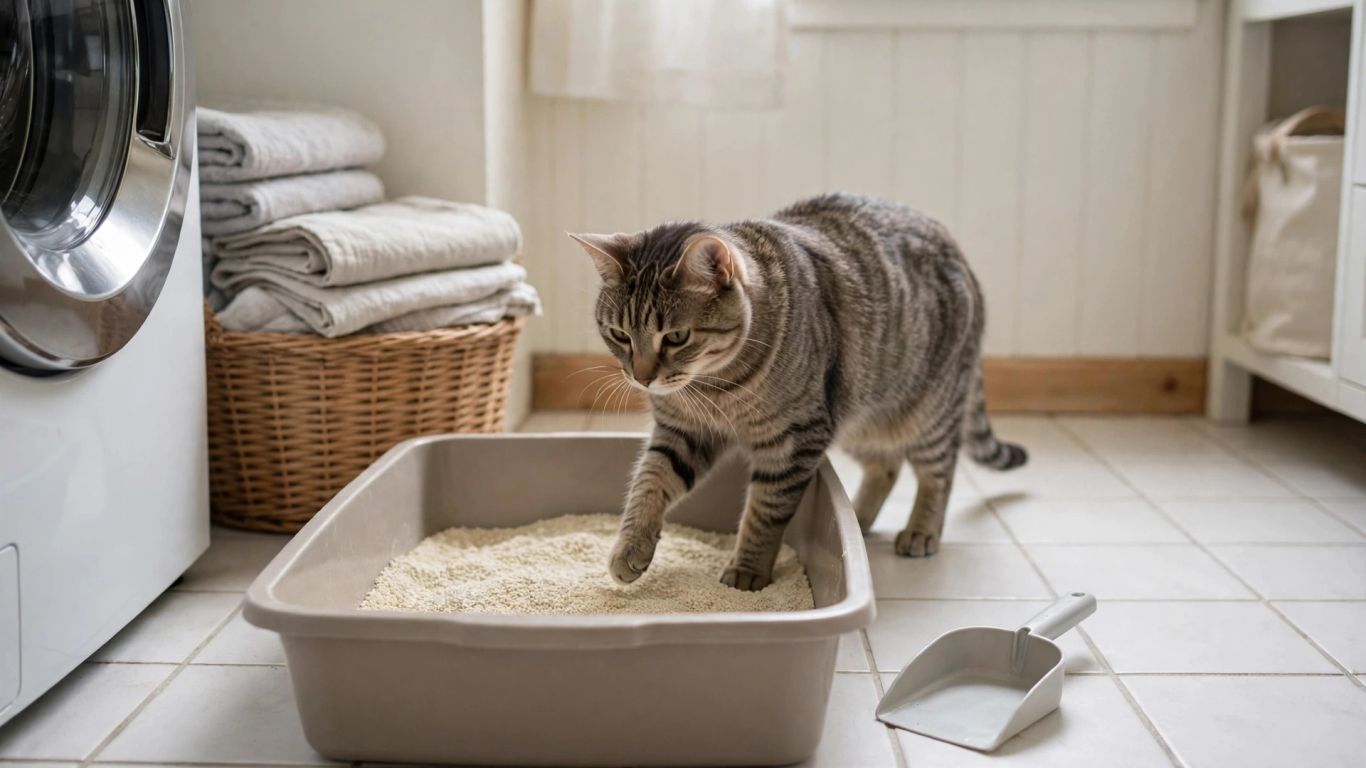
Clumping litter forms removable clumps when wet, while non-clumping options are managed differently and may call for more frequent full changes. Natural litters vary in material and texture, so the label alone cannot tell you whether a cat will accept one. Consider how the litter feels under your cat’s paws and how easy it is for you to maintain.
Consider fragrance and dust sensitivity
Strong fragrance can be unpleasant for some cats, and dusty litter may bother cats or people who are sensitive to it. An unscented, low-dust option is a reasonable place to start if you are unsure. Change one feature at a time where possible, so you can tell whether scent, texture, or another detail seems to affect your cat.
Use a comfortable litter depth
Add enough litter for your cat to dig and cover waste without making the box difficult to enter. Cats differ in how much they like to move litter around, so watch their habits and adjust the depth if needed. A consistent amount also makes it easier to notice when litter needs topping up or refreshing.
Transition gradually when changing litter
An abrupt switch can put off a cat who is attached to a familiar texture or scent. A gradual transition gives them time to explore the new option while the old one remains recognizable. One practical sequence is:
- Start by mixing a small amount of the new litter into the familiar litter.
- Keep the overall depth and box location steady during the change.
- Increase the new litter gradually if your cat continues using the box.
- Pause or step back if your cat avoids the box or seems uncomfortable.
A measured transition makes it easier to identify what your cat accepts. If the change coincides with avoidance, return to the last familiar setup and reassess before trying again.
Set up enough boxes for your household
Having a box available is not enough if another cat, a closed door, or a long trip across the house makes it hard to reach. Think about how many cats share the home and how they move through it. A setup with choice and clear access can reduce pressure around a resource every cat needs.
Apply the common one-box-per-cat guideline
A common starting point is one box per cat, with an additional box if your space allows. It is a guideline rather than a guarantee: cats’ relationships, routines, and preferences matter as well. If one cat regularly blocks another or a box is often occupied, adding another option may help.
Add a box in homes with multiple floors
A box on each regularly used floor can save a cat a difficult or inconvenient trip. This may be especially helpful for kittens, senior cats, or cats with limited mobility. Keep each box in a spot the cat can reach without needing to pass through a stressful or restricted area.
Separate boxes to give cats more choice
Boxes placed side by side may function like a single resource from a cat’s point of view. Spreading them around the home gives cats more than one route and location to choose from. In multi-cat homes where tension is already present, PAWSONA calming sprays are among the calming products intended to help create a calmer environment during stressful situations; they are not a substitute for accessible, separate resources.
Adjust the setup for cats that avoid sharing
Some cats prefer not to share a box, even if they otherwise coexist peacefully. Give each cat access to a separate, easy-to-reach option and watch for guarding, waiting, or sudden changes in use. If you are preparing for another cat, a guide to reducing multi-cat household stress covers separating resources and making changes gradually.
Keep the litter box clean and inviting
A clean box is easier for a cat to use and easier for you to monitor. Choose a routine you can keep up with, rather than waiting until the box looks or smells overdue. Pay attention to your cat’s normal habits; changes can be easier to spot when the setup is maintained consistently.
Scoop waste on a consistent schedule
Scoop waste regularly, with the frequency adjusted to the number of cats and the type of litter. A predictable schedule helps keep the box inviting and lets you notice changes in the amount or appearance of waste. If your cat shares a box, more frequent checks may be needed to keep it comfortable for everyone.
Refresh litter and wash the box regularly
Follow the litter’s care instructions for removing old material and adding fresh litter. When washing the box, empty it fully and rinse away residue before refilling. A regular refresh also gives you a chance to check for cracks, stuck-on debris, or lingering odors.
Choose cleaning products that rinse clean
Use a mild product that can be rinsed away thoroughly, and avoid leaving a strong scent behind. A lingering smell may bother a cat even if the box looks clean to you. Let the pan dry before adding litter so the texture and scent of the fresh fill remain familiar.
Replace boxes when they become damaged or retain odors
Scratches and cracks can make a box harder to wash, and worn material may hold odors even after cleaning. Replace a damaged pan when it no longer cleans up well or has rough areas that could bother your cat. Choose a similar shape and location for the replacement if your cat is comfortable with the current setup.
Respond to litter box avoidance
A cat avoiding the box is not being difficult on purpose; something about the setup, surroundings, or their health may have changed. Start by looking for recent differences and checking whether the route to the box is still clear. If the cause is not obvious, a litter box avoidance guide can help you consider common possibilities, while a veterinarian can assess medical concerns.
Check for changes in the box, litter, or location
Think back to any recent changes: a new pan, a different litter, a move to another room, or a change in cleaning routine. Even a small shift may matter to a cat that relies on familiar smells and textures. If practical, restore the last setup your cat used comfortably, then make only one change at a time.
Look for household stressors and access barriers
Visitors, building noise, a new pet, conflict with another cat, or a blocked route can make a previously comfortable box feel unsafe. Notice whether avoidance happens at a particular time or around a particular person, animal, or place. PAWSONA calming collars are part of a range of calming products designed to help create a calmer environment so cats can adapt more comfortably during stressful situations; first identify and address any access or household trigger you can change.
Recognize signs that may require veterinary care
A sudden change in litter box habits can sometimes accompany a health problem. Contact a veterinarian if your cat seems uncomfortable, strains, cries while trying to go, produces unusually little waste, or shows another concerning change. If you are also choosing a practice for your own care, a separate guide to finding a dentist near you compares credentials, services, and convenience; for your cat’s symptoms, consult a veterinary professional.
Make adjustments gradually and track your cat’s response
Write down what changed, when avoidance happens, and whether your cat uses a different box or location. A brief record can help you see patterns and give a veterinarian useful information. Adjust one manageable detail at a time, then allow your cat an opportunity to respond before changing something else.
Conclusion
The right litter box is one your cat can reach and use comfortably, in a place that feels safe and with litter they accept. Keep the setup clean, provide enough options, and treat avoidance as a reason to look for a cause rather than a bad habit. Patient observation often points toward the next helpful change.
Frequently Asked Questions
How large should a litter box be?
Choose a box that lets your cat enter, turn around, dig, and settle without feeling cramped. If your cat has grown or become less mobile, reassess the fit.
Should I choose an open or covered litter box?
Either can work, depending on the cat. Open boxes are easy to access and inspect, while covered ones may contain some scatter; watch which option your cat uses comfortably.
Where should I put a litter box?
Choose a quiet, accessible place with a clear route in and out. Keep it separate from food and water, and avoid spots where household traffic or loud appliances may startle your cat.
How many litter boxes do I need for multiple cats?
One box per cat, plus an extra if possible, is a common starting guideline. Spread boxes around the home and adjust if cats guard or avoid shared resources.
How often should I scoop a litter box?
Scoop on a consistent schedule and adjust the frequency for the number of cats and the litter you use. Regular checks also make it easier to notice changes in waste.
How deep should litter be?
Use enough litter to let your cat dig and cover waste, while keeping the box easy to enter. Observe your cat’s habits and adjust the depth if needed.
What should I do if my cat suddenly stops using the litter box?
Check for recent changes to the box, litter, location, or household routine, and make sure the route is accessible. A sudden change can also have a medical cause, so contact a veterinarian if you notice discomfort or other concerning signs.