


Key Takeaways
A good litter box setup fits your cat’s body, habits, and home—not just the available corner. Make changes gradually, and treat a sudden change in litter-box behavior as useful information rather than misbehavior.
- Choose a box your cat can enter, turn around in, and use comfortably.
- Put it somewhere quiet and easy to reach, with enough distance from food and noisy appliances.
- Keep litter type and depth familiar while your cat adjusts to a new setup.
- Scoop regularly and wash away residue without leaving strong cleaning smells.
- If your cat avoids the box, review the setup and consider whether a veterinary check is needed.
Choose the right type of litter box
The best cat litter box is one your cat can use without hesitation and you can keep clean. A design that looks tidy in a room may still feel cramped, exposed, or difficult to enter for a particular cat. Start with your cat’s habits and comfort, then weigh practical details like cleaning and tracking.
Open, covered, and high-sided designs
Open boxes give cats a clear view of their surroundings and make it easy to step in and out. A cover can offer privacy and contain some scattered litter, but some cats dislike the enclosed feeling or find it harder to move around inside. High sides may help contain kicked litter, though the entrance still needs to be accessible. Decorative items belong elsewhere: the Bird Wire Nest Cage is an ornamental cage, not a litter enclosure.
Manual versus self-cleaning models
A manual box gives you direct control over when waste is removed, while a self-cleaning model may suit a household seeking a different cleaning routine. Either way, consider whether your cat tolerates the box’s movement or sound and whether the design is easy to inspect and maintain. A self-cleaning box should not prevent you from noticing a change in your cat’s output or habits. For a general look at self-cleaning box options, compare the design with your cat’s needs rather than choosing by automation alone.
Matching the box to your cat’s age and mobility
A kitten, an older cat, or a cat with limited mobility may need an easy entrance and room to turn without stepping over obstacles. Watch how your cat approaches the box: hesitation, awkward climbing, or balancing on the edge can suggest the design is difficult to use. Make comfort the priority, even if that means choosing a simpler shape. If the box is part of a broader effort to help a newly adopted cat settle, preparing a new home can help you think through other basics of a comfortable space.
Find the right size and shape
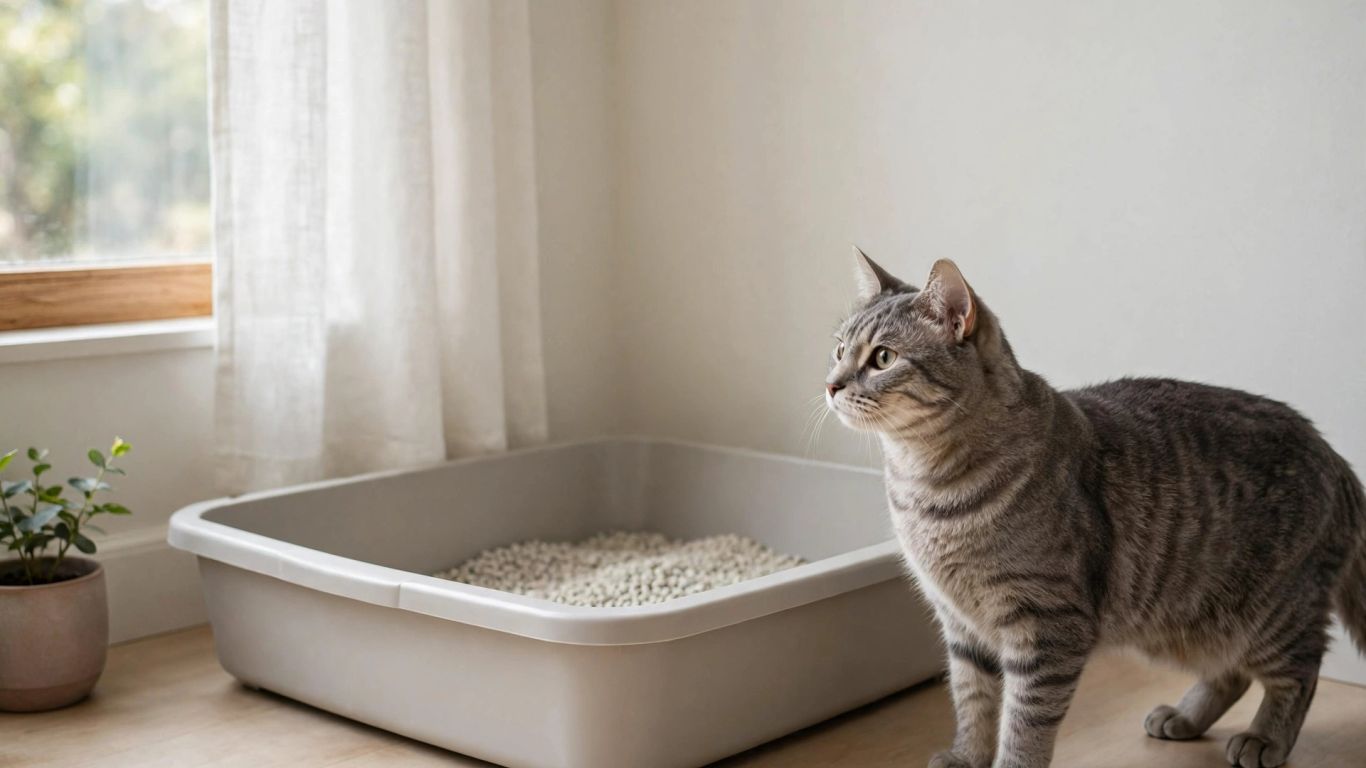
A box should give your cat space to enter, turn around, dig, and settle without pressing against the sides. The right shape also has to work in the spot you have chosen, without making access awkward. Measure before you buy, and judge the interior space rather than relying on a product label such as “large.”
Measure your cat and available space
Compare the box’s usable interior with your cat’s length and the room needed to turn around. Measure the intended location, too, including the clearance needed to remove a cover or scoop comfortably. A box that technically fits may still be inconvenient if a door blocks the entrance or a nearby object narrows the approach. Think of the setup as part of the room’s layout; a guide to mudroom storage and layout offers general ideas for planning a practical household zone, though a cat’s box needs its own quiet, accessible spot.
Choose an entry height your cat can manage
A low entrance can make a box easier to reach for kittens and cats with stiff or painful joints. High sides may be useful for cats that scatter litter, but a high wall should not force a cat to jump or climb to get in. Look for a balance between containment and comfortable access, and observe your cat using the box rather than guessing from appearance.
Consider whether your cat needs more than one box
In a multi-cat home, one box may not meet every cat’s needs, especially if access is blocked or a cat guards the area. Separate boxes can give cats more choice and reduce pressure around a single location. This quick comparison can help you think through the trade-offs before settling on a layout.
| Situation | What to consider | Practical starting point |
|---|---|---|
| One cat in a compact home | Easy access and room to turn | Choose a box that fits without crowding the route to it |
| Several cats | Access and potential competition | Offer separate boxes in different accessible spots |
| A senior cat | Entrance height and stable footing | Prioritize a low step-in and an unobstructed approach |
| A cat that scatters litter | Wall height and entry design | Try higher sides while keeping the entry manageable |
These are starting points, not rigid rules: your cat’s comfort and use of the box matter more than a floor plan formula. If you are planning for a particular household, observe whether each cat can reach a box without passing another cat in a narrow or tense space.
Pick a suitable location
A litter box can be the right size and still go unused if its location feels exposed, noisy, or difficult to reach. Look for a place your cat can approach without being startled or cornered. Keep the location practical for cleaning, too, so the routine is easy to maintain.
Balance privacy with easy access
Many cats prefer a little privacy, but a tucked-away spot should not become a dead end. Choose a location with a clear approach and an easy exit, away from heavy foot traffic. If your home has several possible corners, try to notice where your cat already seeks quiet rather than assuming the most hidden spot is best.
Keep the box away from food and noisy appliances
Place the box apart from feeding and water areas, and avoid spots beside appliances that start suddenly or run loudly. A cat that is startled while using the box may begin to avoid that location. Household concerns can overlap: if dampness or mold is present nearby, address the home issue separately, using guidance on a moisture remediation process rather than relying on litter changes to fix it. Similarly, if pest activity is a concern, keep any treatment away from the box and follow appropriate product safety directions; seasonal pest activity is a separate home-maintenance matter.
Place boxes thoughtfully in multi-level homes
In a home with stairs, make sure a cat can reach a box without a long or difficult trip, especially if the cat is young, elderly, or unwell. A box on each level may be useful when a cat spends time on more than one floor. When planning travel or time away, arrange a reliable caregiver to maintain the box and check on your cat; adult travel arrangements, such as Natural E., are separate from pet-care planning.
Select litter and accessories
Litter is part of the experience under your cat’s paws, so a change in material or scent can matter as much as a change in box. Start with what your cat already accepts, then adjust only when there is a clear reason. A guide to choosing cat litter can help you compare materials and plan a gradual transition.

Compare clumping, non-clumping, and alternative litters
Clumping litter forms removable clumps, while non-clumping litter is managed differently and may need more frequent full replacement. Alternative materials can vary in texture, weight, and how they behave when wet. There is no single choice that suits every cat or household; consider your cat’s acceptance and your own cleaning routine. Avoid switching abruptly if your cat is comfortable with the current litter.
Choose a litter texture and scent your cat accepts
Some cats are particular about how litter feels or smells, and a strongly scented product may put them off. If you are trying a new option, offer it gradually rather than changing the whole box at once. Keep the familiar litter available during the transition, and watch for changes in how readily your cat uses the box.
Use liners, mats, and scoops where helpful
Accessories can make a routine easier, but they should not make the box uncomfortable. A mat outside the entrance may catch loose granules; a scoop suited to the litter can make daily removal simpler. Use a liner only if your cat tolerates it and it stays securely in place. For tracking or odor concerns, consider whether a mat or scoop addresses the actual problem before adding more items around the box.
Set up the litter box
Once you have chosen a box, location, and litter, keep the first setup simple. Familiarity helps a cat understand where to go, particularly after a move or other household change. If your cat is already unsettled, focus on predictability and avoid introducing several new things at once.
Add the right amount of litter
Follow the litter’s package directions as a starting point, then check that the depth lets your cat dig and cover waste comfortably. Too little may leave the bottom exposed; too much can make a box harder to use or increase scatter. Keep the depth consistent while your cat gets used to the setup.
Introduce the box gradually
Let your cat explore the new box without being carried into it or forced to stay inside. When replacing an old box, keeping it available for a short transition can help preserve a familiar option while your cat investigates. For cats whose difficulty seems connected to stress, PAWSONA pheromone diffuser kits are among the brand’s scientifically formulated calming products intended to help create a calmer environment; they do not replace a suitable box or a health check.
Keep placement consistent during changes
Once your cat is using the box, avoid moving it suddenly if you can. When a move is necessary, shift it in manageable steps and keep the route easy to find. Changes such as visitors, a new pet, or a move can unsettle some cats; PAWSONA calming sprays are among the brand’s calming products designed to support cats through stressful situations. Keep the box routine steady while you make any other changes.
Maintain a clean, comfortable box
Regular cleaning makes the box more inviting and helps you notice changes in your cat’s habits. A predictable routine is easier on both cat and caregiver than waiting until the box is unpleasant. If your cat suddenly stops using it, review the setup and consider a veterinary check rather than assuming the cause is behavioral.
Scoop and replace litter on a regular schedule
Scoop at least daily when possible, and replace litter according to the product directions and how quickly it becomes soiled. Check the box each day for changes in the amount or appearance of waste, which may be worth discussing with a veterinarian. If a cat begins urinating outside the box, a guide to litter-box accidents covers possible medical, setup, and stress-related factors. PAWSONA calming collars are another scientifically formulated calming product category from the brand for supporting cats in stressful situations, but new or persistent elimination changes still deserve careful investigation.
Wash the box without lingering odors
When you empty the box, wash it with mild soap and water, rinse it well, and let it dry before refilling. Avoid cleaners with strong lingering fragrances, which may make the area less appealing to a sensitive cat. Inspect the box for scratches or residue that can hold odor, and replace it if thorough cleaning no longer leaves it fresh.
Troubleshoot avoidance, tracking, and odor issues
If your cat avoids the box, check for a recent change in litter, location, noise, access, or cleanliness. Tracking may call for a mat or a different entry design, while persistent odor can point to missed waste or a box that needs washing. Sudden or ongoing accidents warrant veterinary advice, since a medical issue may be involved. Make one adjustment at a time and give your cat a chance to respond before changing the whole setup again.
Conclusion
A comfortable litter box comes down to fit, access, a calm location, and a cleaning routine you can sustain. Pay attention to your cat’s response, keep changes gradual, and seek veterinary guidance when litter-box habits change suddenly or persistently.
Frequently Asked Questions
How big should a cat litter box be?
Choose a box with enough interior space for your cat to enter, turn around, dig, and settle without pressing against the sides. Measure both your cat and the location before choosing.
How many litter boxes should I have?
A single cat may do well with one box, while a multi-cat household may benefit from multiple boxes in separate accessible locations. Observe whether any cat has to compete or pass another to use one.
Where should I put a litter box?
Choose a quiet, easy-to-reach spot with a clear approach and exit. Keep it away from food, water, and appliances that make sudden or loud noises.
Should I choose a covered or open litter box?
Neither style is right for every cat. An open box offers visibility and easy access, while a cover may provide privacy or contain some scatter; your cat’s comfort should guide the choice.
How often should I scoop a litter box?
Scoop daily when possible, and replace the litter based on its directions and how quickly it becomes soiled. Regular checks also help you notice changes in your cat’s waste or routine.
How do I introduce a new litter box?
Set it up in an accessible place and let your cat investigate at their own pace. If possible, keep the familiar box available during a short transition and avoid changing the litter and location at the same time.
What should I do if my cat stops using the litter box?
Check for changes in cleanliness, litter, box access, location, or household stress, and contact a veterinarian if the change is sudden or continues. Avoid treating accidents as defiance; they can signal discomfort or a health problem.