


Moving a cat into a new household can be exciting, but the change may feel overwhelming to the cat. New smells, unfamiliar people, different sounds, and changes to daily routines can trigger stress—even in a friendly, confident cat.
The best way to help a cat fit into a new environment is to introduce the home gradually, give the cat control over the pace of exploration, and provide predictable daily routines. Calming products may support this process, but they work best alongside a structured introduction—not instead of one.

Why a New Household Can Be Stressful for Cats
Cats are territorial animals. Their sense of safety is closely connected to familiar scents, hiding places, resources, and routines. When they enter a new household, nearly all of those familiar signals disappear at once.
A cat may be adjusting to:
- Unfamiliar rooms and household smells
- New people or children
- Other cats, dogs, or pets
- Different food, litter, or feeding schedules
- Household noises such as appliances, visitors, and television
- A new location for the litter box, bed, and scratching areas
This does not mean the cat is being difficult or ungrateful. Hiding, avoiding interaction, vocalising, or eating less can be normal responses to uncertainty. The important question is whether the cat is gradually becoming more comfortable or remaining highly distressed.
The Safest First Step: Start with One Quiet Room
When a cat first arrives, avoid giving it access to the entire home immediately. A single quiet room acts as a temporary base camp where the cat can learn that its basic needs are predictable and safe.
Prepare the room with:
- Food and fresh water placed away from the litter box
- A clean litter box
- At least one covered or enclosed hiding place
- A comfortable bed or blanket
- A scratching surface
- A few familiar toys
- Safe vertical space, if possible
Visit calmly and briefly. Sit on the floor, speak softly, and allow the cat to approach rather than reaching into its hiding place. If the cat does not want to interact, simply being present without pressure can still help it learn that you are safe.
A Gradual Introduction Plan
Days 1–3: Let the Cat Decompress
Some cats begin exploring within minutes. Others need several days. Keep the environment quiet and maintain a consistent feeding and cleaning routine.
Do not force the cat out of hiding, carry it around the home, or invite multiple people into the room. Check that it is eating, drinking, urinating, and defecating. If the cat refuses food for an extended period, appears unwell, or shows other concerning symptoms, contact a veterinarian promptly.
Once the Cat Is Eating and Exploring
When the cat is eating regularly, using the litter box, grooming, and exploring its room, you can begin offering limited access to another safe area. Leave the original room available so the cat can retreat whenever it feels uncertain.
Allow the cat to decide how far to go. A relaxed cat may investigate quickly, while a cautious cat may need repeated short sessions over several days or weeks.
Introducing People
Ask household members to ignore the cat at first. Avoid staring, chasing, picking up, or cornering it. Instead, people can sit quietly, read, or place treats nearby without demanding contact.
Children should be taught to let the cat approach them. A cat that learns it can leave an interaction safely is more likely to return for positive contact later.
Introducing Other Pets
Do not place a new cat directly face-to-face with a resident pet. Begin with scent exchange by swapping bedding or using separate cloths to transfer each animal’s scent. Feed the animals on opposite sides of a closed door, gradually moving the bowls closer if both remain calm.
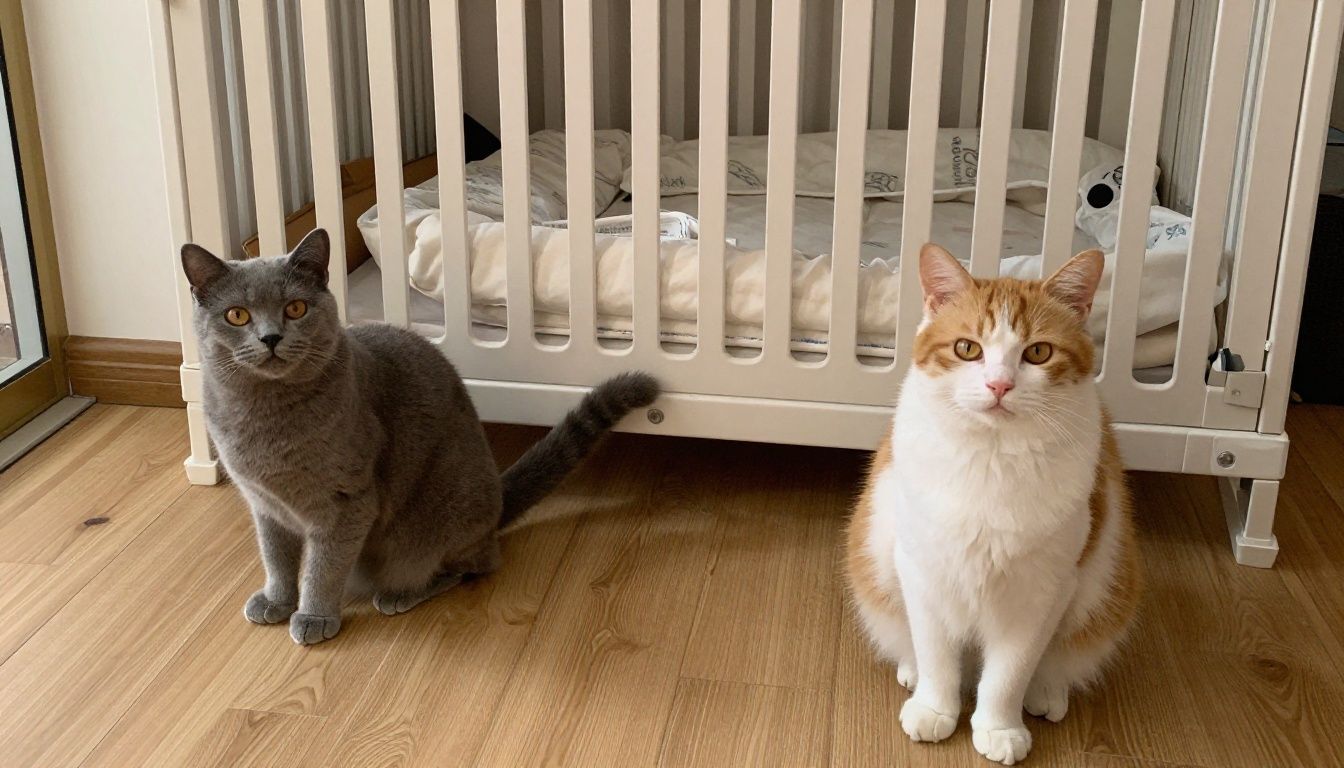
Next, allow visual contact through a secure barrier. Short, supervised meetings should come only when both animals can remain relatively relaxed. If there is growling, lunging, prolonged staring, or chasing, return to the previous step rather than pushing forward.
Signs the Introduction Is Moving Too Quickly
Watch the cat’s body language rather than focusing only on whether it is hiding. Warning signs include:
- Flattened ears or a tightly tucked body
- Dilated pupils and rapid breathing
- Persistent hissing or growling
- Refusing food or treats
- Repeated attempts to escape
- Urinating or defecating outside the litter box
- Excessive grooming or sudden withdrawal
- Swatting when approached
One brief hiss does not necessarily mean an introduction has failed. It is communication. Give the cat more distance, reduce the intensity of the interaction, and try again later at an easier stage.
Common Mistakes Cat Owners Make
Forcing Interaction Too Quickly
A common mistake is assuming that a cat must be introduced to every person, room, and pet on the first day. In reality, forced interaction can make the new environment feel less predictable and may cause the cat to avoid people for longer.
Relying Only on Calming Aids
Calming aids can be useful, but they cannot replace safe territory, gradual introductions, appropriate resources, and patience. A diffuser or spray may help create a more reassuring environment, but it will not make a frightened cat ready for direct contact before it is emotionally prepared.
Removing Hiding Places
Some owners remove hiding spots because they worry the cat will never come out. Safe hiding places usually do the opposite: they give the cat a way to regulate its stress. Provide approved hiding areas instead of forcing the cat to remain exposed.
Ignoring Resource Competition
In multi-cat homes, place litter boxes, food stations, water bowls, resting places, and scratching surfaces in separate locations. A cat may appear aggressive when it is actually protecting access to an important resource.
What Helps a Cat Settle More Comfortably
Keep the Routine Predictable
Feed, clean, play, and interact at similar times each day. Predictability helps a cat form expectations about what will happen next.
Use Familiar Scents
If possible, bring bedding, toys, or a blanket from the cat’s previous home or shelter. Avoid washing every item immediately, since familiar scent can be reassuring during the first few days.
Create Vertical and Hidden Spaces
Cats often feel safer when they can observe from above or retreat into a covered area. Cat trees, shelves, boxes, and covered beds can all help, provided they are stable and safely positioned.
Offer Choice During Interaction
Hold out a hand without moving toward the cat. If it approaches, allow it to sniff. If it moves away, let it go. This small choice can make a meaningful difference to a cat that has recently lost control over its surroundings.
Support Calm with Environmental Tools
PAWSONA’s cat calming diffuser kit can be used in the room where the cat spends the most time. A calming diffuser is most useful as part of a broader plan that includes a quiet base room and gradual exposure.
For temporary situations such as travel, visitors, or moving between rooms, some owners may prefer a cat pheromone calming spray. Apply it according to the product instructions and allow time for the treated area to settle before bringing the cat near it.
A cat calming collar may also suit some cats, particularly when support is needed beyond one room. Always check that the collar fits safely and monitor the cat’s comfort.

PAWSONA Field Notes
As a cat fosterer for six years, I have fostered hundreds of cats. Because foster cats often move through the home relatively quickly, I have had the chance to see first-hand how differently cats respond when placed in a new environment.
Some cats began exploring almost immediately. Others hid for days and needed quiet, predictable contact before they felt safe enough to investigate. What surprised me most was how often a cat that seemed “unfriendly” at first was simply overwhelmed. Once the pressure was removed, its personality became much easier to see.
One mistake I made was forcing cats to interact too quickly. I also learned that it was not helpful to rely heavily on calming aids without carrying out a proper introduction. A calming product could support the environment, but it could not replace time, space, and a thoughtful plan.
What changed everything was pairing calming aids with structured introductions. I would give the cat a secure starting room, establish a routine, introduce scents gradually, and only expand access when the cat showed signs of readiness. This approach worked better because it addressed both the cat’s environment and its emotional state.
The lesson I still remember is to be patient and accept that every cat is different. Cats can react very differently to the same method, so flexibility matters more than following a rigid timetable. One cat may be ready to explore after a day; another may need much longer.
Practical takeaway: let the cat’s behaviour determine the next step. If it is eating, exploring, and recovering quickly after mild surprises, you can gradually increase access. If it is hiding, refusing food, or showing defensive body language, make the environment smaller and quieter again.
How Long Does It Take for a Cat to Settle In?
There is no single recovery timeline. A confident adult cat may settle within a few days, while a shy rescue cat, senior cat, or cat with a difficult history may need several weeks or longer.
Progress is usually gradual rather than linear. Look for small improvements such as:
- Coming out of hiding more often
- Eating while people are nearby
- Grooming in the open
- Playing briefly
- Resting with a looser body posture
- Exploring new areas and returning calmly
- Approaching people voluntarily
A setback after a loud noise, visitor, or interaction with another pet does not necessarily mean the introduction has failed. Return to the last stage where the cat was comfortable and rebuild from there.
What I Would Do Today
If I were introducing a cat into a new household today, I would begin with less access rather than more. I would prepare one quiet room, keep the routine consistent, and observe the cat before deciding what it needed next.
I would introduce household members one at a time, exchange scents before allowing pets to meet, and provide multiple resources in different areas. I would also use calming support where appropriate, but I would treat it as one part of the plan rather than the entire solution.
For households looking for combined support, PAWSONA’s calming pheromone spray and diffuser bundle brings two environmental options together. The right choice depends on the cat, the size of the home, and whether the stressful situation is ongoing or temporary.
An Expert Tip for New Cat Introductions
Keep a simple daily note of eating, litter box use, hiding, play, and interactions. This makes subtle progress easier to notice and helps you identify what triggers setbacks.
Also, avoid changing several things at once. If you introduce a new room, new food, new litter, and a new pet interaction on the same day, it becomes difficult to know what helped or caused stress. Change one variable at a time whenever possible.
If a cat stops eating, has ongoing litter box problems, shows sudden aggression, or appears physically unwell, seek veterinary advice. Behavioural stress and medical problems can look similar, and both deserve proper attention.
Final Thoughts
Learning how to introduce a cat into a new household is less about completing a checklist and more about building trust. Give the cat a secure base, protect its ability to retreat, introduce new experiences gradually, and observe its individual signals.
The most effective approach combines patience, environmental management, and appropriate support. Products such as diffusers, sprays, and collars may help create a calmer setting, but the foundation remains the same: safety, choice, routine, and time.
For ongoing household stress, you can also explore PAWSONA’s Zenkit calming diffuser refill as part of a consistent calming routine. The goal is not to rush a cat into fitting in. It is to help the cat feel secure enough to belong.