


Key Takeaways
The best cat litter is one your cat will use comfortably and you can maintain consistently. A few careful choices can make the box easier to live with for both of you.
- Compare litter materials by texture, dust, upkeep, and disposal.
- Let your cat’s preferences and health guide the choice.
- Introduce a new litter gradually and watch for signs of discomfort.
- Scoop regularly, keep the box accessible, and address odors at their source.
- Follow product labels and take sensible hygiene precautions when handling litter.
Understand the main types of cat litter
Cat litter differs in what it is made from and how it handles moisture and waste. No single material suits every cat or household, so consider how the litter feels underfoot as well as how much maintenance it needs. Your cat’s willingness to use the box matters more than a feature that sounds convenient on the package. Here are the main options and the trade-offs to keep in mind.
Clumping clay and non-clumping clay
Clumping clay forms scoopable clumps when wet, which can make it easier to remove urine without emptying the whole box each time. Non-clumping clay absorbs moisture but generally requires more frequent full changes. Both can vary in texture and dustiness, so check the label and observe how your cat responds. A routine that is practical for your home is more useful than a promise of low effort that doesn’t suit your cat.
Silica gel crystals
Silica gel litter is made of absorbent crystals that take up moisture. The larger pieces feel different from fine clay, and some cats may need time to accept that texture. Follow the package instructions for changing and maintaining it, since recommendations can differ among products. If your cat paws at the crystals or avoids the box, that response is useful information, not stubbornness.
Natural and biodegradable materials
Plant-based litters may be made from materials such as wood, paper, corn, or other fibers. They can differ widely in softness, weight, clumping, and how they handle odor, so “natural” alone does not tell you whether a particular litter will work well. A quick comparison can help narrow the options before you buy a full supply.
| Material | What to consider | Possible trade-off |
|---|---|---|
| Wood or paper | Texture and how it absorbs moisture | May feel unfamiliar to some cats |
| Corn or other plant fibers | Whether it clumps and how often it needs changing | Products vary in dust and tracking |
| Clay | Clumping behavior and ease of scooping | Can be heavy or dusty |
| Silica gel | Crystal size and package directions | Texture may not suit every cat |
Think of the table as a starting point, not a ranking. Read the label, make one change at a time, and keep an eye on whether your cat uses the box as usual. A litter box basics overview can also help put the choice of litter in the context of the box itself.
Choose litter that suits your cat and home
A litter can be absorbent and easy to buy yet still be a poor fit for the cat using it. Notice what your cat already seems comfortable with, then weigh that against the realities of your space, budget, and cleaning routine. Some cats are especially particular about scent or the feel of the material. A little observation often tells you more than a long list of product claims.
Consider texture, scent, and dust
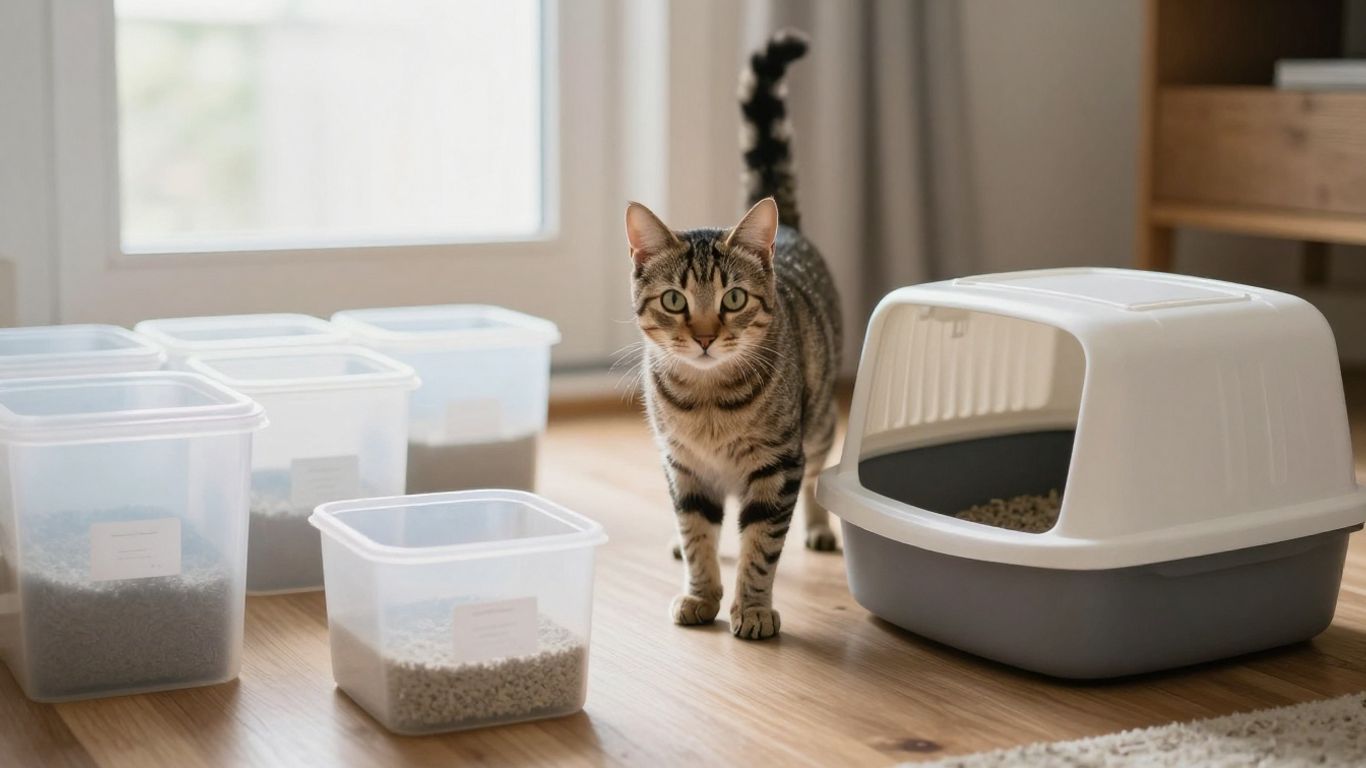
Cats encounter litter with their paws and nose, so texture and fragrance can affect whether they want to dig and cover. If your cat is hesitant, try an unscented option with a texture close to the familiar litter before making a bigger change. Pour slowly to limit airborne dust, and notice whether the product leaves visible residue on nearby surfaces. In a home with people sensitive to fragrance or dust, those details matter too.
Match the litter to your cat’s age and health
Kittens, older cats, and cats with mobility or other health concerns may need a setup that is easy to reach and comfortable to use. For an older cat, a low entry box may matter as much as the litter itself. If your cat’s bathroom habits change suddenly, or they seem uncomfortable while urinating or defecating, contact a veterinarian rather than trying to solve a possible health issue by changing litter alone. For broader feeding decisions that relate to life stage, see this cat food guide.
Weigh cost, availability, and disposal needs
A realistic choice is one you can find consistently and maintain without stretching your budget. Compare the amount used over time rather than looking only at the price of a bag, and check the product label for disposal directions. It also helps to consider how far you need to carry a heavy package and where you will store it. When reviewing household supplies, a cutting board guide is another example of matching a material to its care needs; the practical details are different, but it’s a useful reminder to look beyond the first impression.
Switch to a new litter gradually
A sudden change can be unsettling for a cat that relies on a familiar box and substrate. If you need to switch, give your cat time to investigate the new material while the usual option remains available. Keep the box in its usual place and avoid changing other parts of the routine at the same time. Predictability can make a small household adjustment easier to manage.
Introduce the new litter alongside the familiar option
If space allows, set up a second clean box with the new litter while leaving the familiar box available. This gives your cat a choice and lets you see whether the new texture is acceptable. Keep both boxes accessible and separate enough that the choice feels clear. A gradual transition works best when it follows the cat’s pace, not a calendar deadline.
Adjust the mix at a pace your cat accepts
When a second box is not practical, you can blend a small amount of new litter into the familiar litter and make changes gradually. A simple progression can help keep the process measured:
- Begin with a small amount of the new litter mixed into the familiar one.
- Keep the mix unchanged for several days while you observe use.
- Increase the new litter only if your cat continues using the box comfortably.
- Pause or return to the previous mix if your cat seems reluctant.
There is no universal schedule; some cats adjust quickly, while others need more time or prefer a different option. If the transition coincides with other changes at home, keep routines as steady as you can. Household planning can involve many moving parts, whether you’re adjusting pet routines or reading an autumn meal guide for your own seasonal routine.
Watch for signs of stress or litter box avoidance
Notice whether your cat hesitates at the box, eliminates nearby, or changes how often they go. These signs can have medical or environmental causes, so avoid assuming the new litter is the only explanation. If the change persists or your cat appears unwell, contact a veterinarian; a guide to litter box avoidance can offer additional context on possible factors. PAWSONA pheromone diffuser kits are among its calming products intended to help create a calmer environment during stressful situations, but they are not a substitute for investigating a health concern.
Keep the litter box clean and comfortable
A clean box is easier for a cat to use and easier for people to maintain. The right routine depends on the litter type, the number of cats, and how quickly waste builds up. Keep the box somewhere your cat can reach without being cornered or disturbed. Small, consistent habits tend to work better than waiting until the box needs a complete reset.
Scoop waste and top up litter regularly
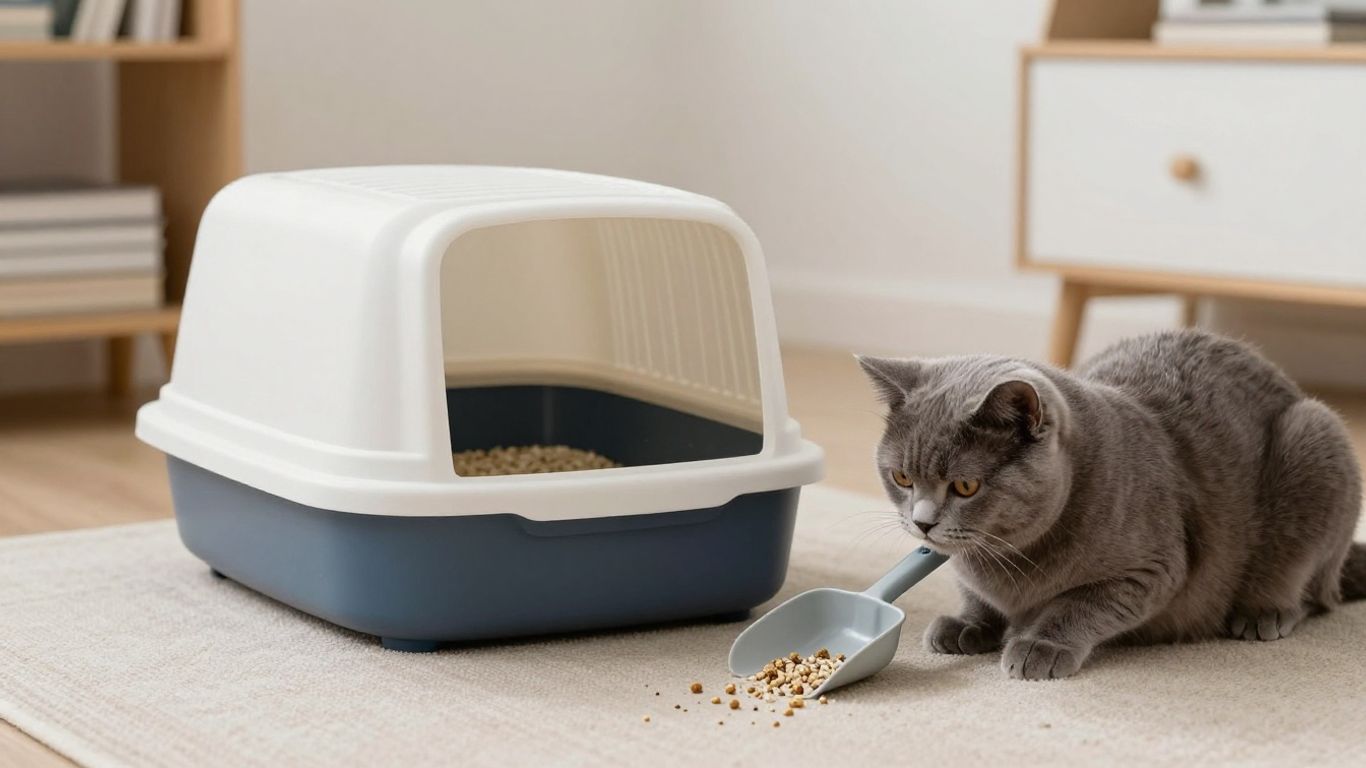
Remove waste on a regular schedule and check the litter level as you go. With clumping litter, scoop carefully so clean material stays in the box; other types may call for more frequent changes according to their label. If you have more than one cat, you may need to check boxes more often. When a cat’s habits change alongside box cleanliness, note the timing and look for other changes in the home as well.
Set an appropriate depth for the litter type
Different litters need different amounts to work as intended, and package directions are the best starting point. Too little can leave the base exposed, while too much may be harder to manage or scatter beyond the box. Give your cat enough room to dig and cover waste, then adjust if you notice persistent tracking or reluctance. Make changes gradually so you can tell what is helping.
Wash the box without leaving strong odors
When it is time to wash the box, use a mild cleaning approach and rinse it thoroughly so lingering scents do not put your cat off. Avoid strong fragrances that can remain after cleaning, and let the box dry before refilling it. If you’re reviewing cleaning routines around the home, this jewelry care guide also cautions against harsh cleaning approaches for delicate materials; the objects differ, but gentle care is a sensible starting point. Keep the box in a familiar location whenever possible.
Control litter box odors
Odor is often a sign to check the box, the litter, or the room rather than simply adding fragrance. Scoop and replace litter as directed, then look for spills or waste caught around the edges. In a multi-cat home, make sure each cat has a comfortable opportunity to use a box without being crowded. A cat care guide can help you think about routines and the home environment as part of your cat’s overall well-being.
Find and address the source of persistent smells
If a smell lingers after routine cleaning, check under the liner, around the box, and on nearby flooring. A cat may also be eliminating outside the box, so inspect the surrounding area without scolding or startling them. Clean affected surfaces with a product appropriate for that material and follow its directions. If odor accompanies a sudden change in your cat’s bathroom habits, a veterinary check can help rule out medical causes.
Choose odor-control products with care
Some litters include odor-control ingredients, but scented products may not suit every cat. Read labels and avoid layering several fragrances in an attempt to cover a persistent smell. PAWSONA calming sprays are part of its range of products intended to support cats experiencing stress; they are not litter deodorizers, so use them only as directed for their stated purpose. Addressing the source of odor remains the first step.
Improve box placement and room ventilation
Choose a quiet, accessible spot with airflow, away from food and water bowls. Avoid placing the box beside loud appliances or in a location where a cat can be easily trapped or surprised. If it has to be in a shared room, keep the area tidy and ventilated. For households hosting guests or rearranging a room, even planning an event at EkoGroup Vila involves thinking about how people move through a space; at home, make sure traffic never blocks your cat’s route to the box.
Handle cat litter safely
Good litter habits protect the comfort of the cat and the cleanliness of the household. Wash your hands after scooping, keep supplies stored where pets and children cannot reach them, and follow the instructions printed on each product. Litter can be dusty or heavy, so choose a handling routine that feels manageable. If you share the home with someone who has a health concern, ask a healthcare professional or veterinarian about precautions suited to your situation.
Reduce dust and track-out around the box
Pour litter close to the bottom of the box to limit dust, and clean up scattered material regularly so it does not spread through the home. A mat outside the box may catch some loose pieces, but check that it is comfortable for your cat to walk across. Keep the surrounding floor easy to inspect and clean. PAWSONA calming collars are among its products intended to support cats in stressful situations; they do not replace practical cleaning or changes to the litter setup.
Follow label guidance for disposal
Disposal directions vary by product, so read the package instead of assuming that every litter can go in the same bin or drain. Seal used litter in a bag as directed and keep it away from food preparation surfaces. If you are unsure about local waste rules, check with your municipality. Avoid flushing litter unless the specific product label and local guidance clearly permit it.
Take extra precautions around pregnancy and health risks
People who are pregnant or have a weakened immune system may need to take extra care when handling used cat litter. If possible, ask someone else to scoop; otherwise, use gloves, wash hands thoroughly afterward, and follow advice from a healthcare professional. These precautions are a reason to make cleanup easier and more consistent, not to panic. Keep your cat’s care routine steady while making any necessary household adjustments.
Conclusion
The right cat litter is a practical fit for your cat, your home, and the routine you can maintain. Start with your cat’s comfort, change one thing at a time, and keep the box clean and easy to reach. When litter box habits change suddenly, consider both the environment and your cat’s health, and seek veterinary advice when needed.
Frequently Asked Questions
How often should I scoop a litter box?
Scoop regularly, ideally as part of a consistent daily routine, and check the product label for any additional maintenance guidance. Homes with multiple cats may need more frequent attention.
How do I know whether my cat dislikes a new litter?
Hesitation at the box, avoiding it, or eliminating nearby can be signs the change is not working, though health or stress may also be involved. Return to a familiar setup and consult a veterinarian if the problem continues.
Is scented litter a good choice?
Some cats accept scented litter, while others may avoid strong fragrances. If you are unsure, an unscented option is a reasonable place to start.
Can I change litter brands or types all at once?
A gradual transition is usually easier to monitor than an abrupt switch. Introduce the new litter in small steps and keep the familiar option available when possible.
How much litter should I put in the box?
Follow the instructions on the package, since recommended depth can vary by material. Make sure your cat can dig and cover waste comfortably.
What should I do if my cat suddenly stops using the litter box?
Check the box’s cleanliness, location, and recent changes at home, but do not assume the issue is behavioral. Sudden changes can have medical causes, so contact a veterinarian, especially if your cat seems uncomfortable or unwell.
Can I flush cat litter?
Do not flush it unless the product label and local waste guidance specifically allow it. Many litters should be disposed of with household waste according to the package directions.