


Key Takeaways
Good cat care is built from steady routines, a safe home, patient observation, and veterinary support. Small changes made with your cat’s comfort in mind can make daily life easier for both of you.
- Give your cat quiet places to rest, hide, climb, and use the litter box.
- Make grooming, nail care, play, and gentle handling gradual and predictable.
- Choose food and portions with your cat’s age, health, and body condition in mind.
- Seek veterinary advice for concerning changes in appetite, behavior, or litter box habits.
- Adjust your care as your cat settles in, grows, or becomes a senior.
Build a safe and comfortable home
A cat’s home should offer comfort as well as practical access to food, water, rest, and the litter box. Cats vary in how quickly they explore, so give yours time to learn the space without being coaxed into every corner. A calm setup and predictable daily rhythms can help a new arrival feel more secure.
Set up a quiet resting space and familiar routines
Choose a quiet resting spot where your cat can retreat without being disturbed by household traffic. Keep familiar bedding nearby when possible, and try to make meals and play happen at roughly consistent times. If your cat has just arrived, a gradual settling-in plan such as this guide to bringing a cat home can help you let the cat set the pace.
Choose a litter box and place it thoughtfully
Put the litter box in a quiet, accessible place, away from food and water bowls, and avoid locations where a cat could feel cornered. In a multi-level home, consider whether your cat can reach the box easily from the places it spends time. If a bathroom renovation changes the layout, planning a bathroom remodel with the box’s future location in mind may prevent an avoidable disruption.
Offer scratching surfaces, perches, and hiding spots
Scratching, climbing, and hiding are ordinary ways cats explore and manage their surroundings. Offer more than one kind of scratching surface, a stable perch, and a covered retreat, then watch which options your cat chooses. Moving or adding resources gradually can make them easier to accept than a sudden overhaul of the room.
Remove common household hazards
Check your cat’s reach from floor level, not just from where you stand: cords, small objects, medicines, cleaning products, and open windows can all create risks. Store sharp grooming tools and razors safely; a household member reviewing safe shaving practices can also make sure blades are put away after use. Keep human personal-care products secured too, including items discussed in a personal lubricant guide, rather than leaving them where a curious cat can investigate.
Meet your cat’s daily care needs
Everyday care works best when it is calm, brief, and adapted to the individual cat. A coat that needs frequent brushing, for example, may call for a different routine from a short-haired cat’s. Watch your cat’s response and pause when it seems uncomfortable; cooperation grows more readily when handling does not feel like a contest.
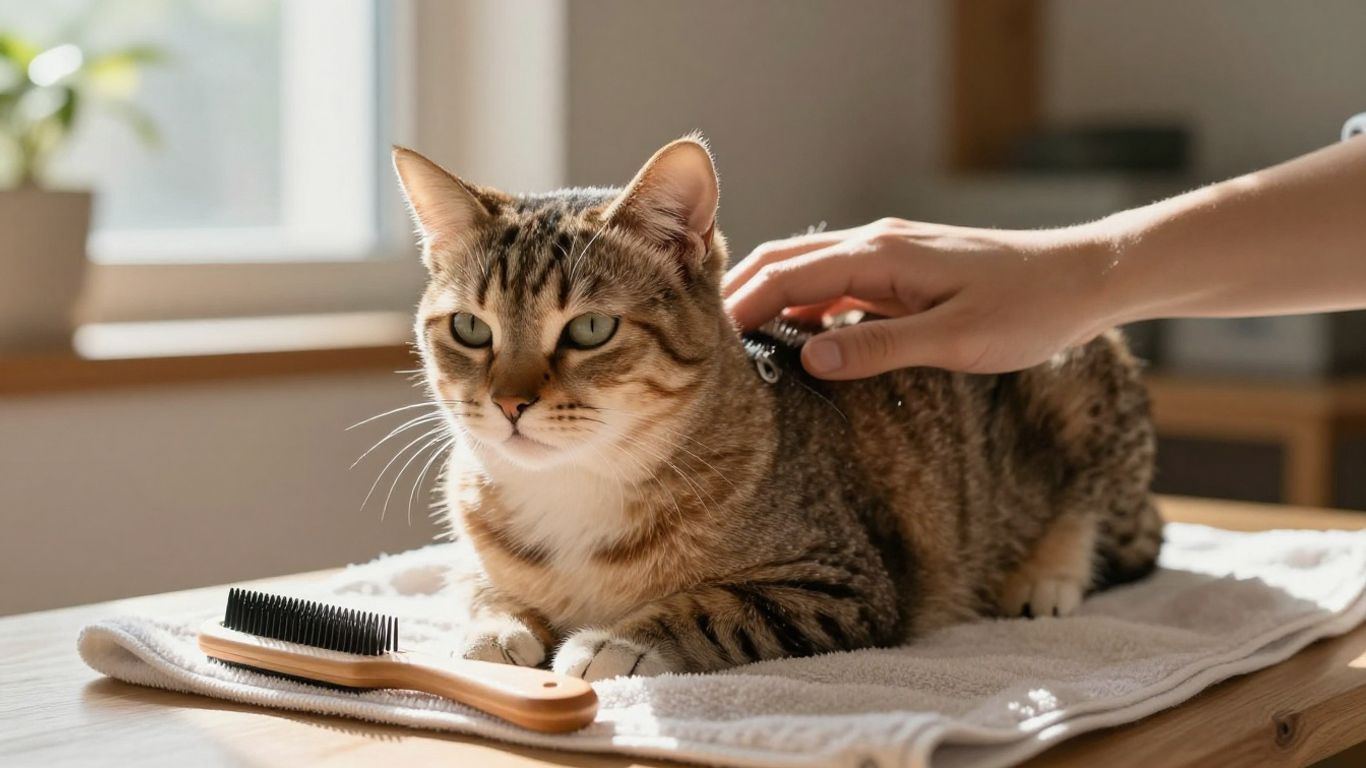
Groom your cat based on coat type
Brush or comb in short sessions, choosing a tool suited to the coat and checking for tangles rather than pulling through them. Long-haired cats may need more frequent attention to prevent mats, while other cats may tolerate less grooming. This guide to cat grooming and nail care offers additional ideas for making handling gradual and comfortable.
Trim claws safely and gradually
Let your cat get used to having its paws touched before introducing a nail clipper. When you do trim, take off only the sharp tip and stop if your cat becomes tense; you can return to the task another day. If you are unsure where to clip or your cat resists strongly, ask a veterinary professional to demonstrate a safe approach.
Keep food and water bowls clean
Wash food and water bowls regularly and refresh the water so they remain inviting. Place them where your cat can eat and drink without being jostled, and notice whether the cat seems to prefer a different bowl location. Clean, accessible bowls are a simple part of a routine that can be easy to overlook when life gets busy.
Use play and gentle handling to build trust
Interactive play gives your cat a chance to stalk, chase, and pounce in a safe setting, while quiet time together lets the cat choose how close to come. Keep sessions manageable and end before your cat becomes overexcited. A few low-pressure habits can make handling and play feel more predictable:
- Let your cat approach an offered hand instead of reaching over its head.
- Use toys rather than hands for chase games.
- Pause play when your cat turns away or starts to tense.
- Reward calm curiosity with a treat or gentle attention if welcomed.
Afterward, give your cat space to settle. Short, positive interactions repeated over time tend to build more trust than trying to secure a long session all at once.
Choose food and support healthy eating
Food choices should reflect a cat’s life stage, health, appetite, and body condition rather than packaging alone. If a medical condition or persistent digestive issue is involved, ask your veterinarian before making a major change. For more detail on labels and life-stage needs, compare this cat food guide with food choices for cats as you prepare questions for your veterinary team.
Match food to your cat’s age and health
Kittens, adults, and senior cats can have different nutritional needs, and health concerns may call for an individual plan. Look for food labeled as complete and appropriate for the intended life stage, then discuss special needs with your veterinarian. The right choice is the one that suits your cat, not simply the one with the most persuasive front-of-package claims.
Understand wet food, dry food, and feeding schedules
Wet and dry foods can both be part of a feeding routine, but the best fit depends on the cat and household. Follow the feeding guidance on the food and your veterinarian’s advice, and keep fresh water available. Regular meal times make it easier to notice changes in appetite than an inconsistent pattern of filling a bowl whenever it looks low.
Measure portions and monitor body condition
Portion guidance gives you a starting point, but your cat’s weight and body condition matter too. A measuring cup or kitchen scale can make servings more consistent, and periodic checks help you spot a gradual change before it becomes difficult to address. These observations are useful context for your veterinarian, especially if activity or appetite has shifted.
Introduce diet changes without upsetting digestion
A sudden switch may not suit every cat, so ask your veterinarian how quickly to make a change, especially when the diet is medically directed. Keep track of appetite, stool, and any vomiting during the transition. A simple record can help you distinguish a brief adjustment from a problem that needs professional advice.
Protect your cat’s health
Preventive care gives you and your veterinarian a chance to discuss health before a small concern becomes urgent. The right schedule depends on your cat’s age, medical history, and circumstances, so use a veterinary clinic as your source for an individual plan. At home, changes from your cat’s normal routine can be just as useful to notice as changes in appearance.
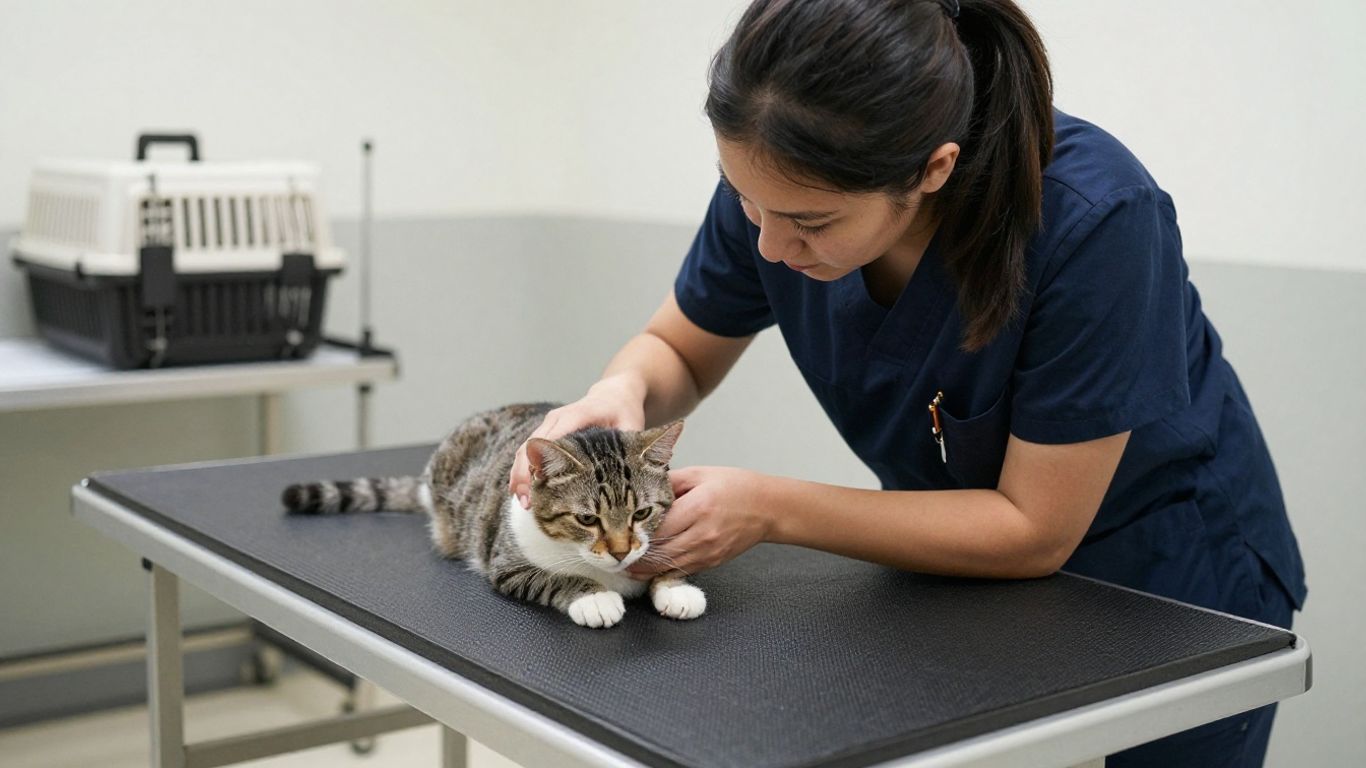
Schedule routine veterinary checkups and vaccinations
Arrange routine checkups and ask your veterinarian which vaccinations are appropriate for your cat. Keep the clinic’s contact information somewhere easy to find, and mention changes in eating, drinking, movement, or behavior during visits. A familiar schedule of care also gives you a chance to raise questions before they become pressing.
Keep up with parasite prevention and dental care
Ask your veterinarian which parasite prevention is suitable for your cat and how often it should be used. Dental care also deserves attention: ask for guidance on home care and have your cat’s mouth checked during veterinary visits. If brushing or handling around the face is difficult, describe what happens rather than forcing the routine.
Recognize signs that need prompt veterinary attention
A sudden or persistent change in appetite, repeated vomiting, difficulty urinating, breathing problems, injury, or marked lethargy warrants prompt advice from a veterinary professional. Cats can conceal discomfort, so a noticeable departure from normal behavior deserves attention even when the cause is unclear. For vomiting in particular, this guide to cat vomiting can help you organize observations, but it cannot replace a veterinary assessment.
Prepare for emergencies and keep medical records
Keep vaccination details, medication information, and your veterinary clinic’s number together where another caregiver can find them. Identify an emergency clinic in advance and make sure you have a secure carrier that your cat can enter without a struggle. A brief written record of dates, symptoms, and changes at home can make conversations with the veterinary team more useful.
Understand behavior and communication
Behavior is information, not a verdict on your cat’s character. A cat that hides, scratches, vocalizes, or avoids the litter box may be responding to stress, a change in its surroundings, or a health problem. Look for patterns and possible causes before deciding what to change; broader cat behavior and care guidance can be a helpful starting point.
Read tail, ear, eye, and body posture
Look at the whole cat rather than interpreting one signal on its own. A tail held differently, ears turned back, a lowered posture, or a fixed gaze may each add context, but the meaning depends on what else is happening. This overview of feline body language can help you notice cues and respond with more space when needed.
Recognize signs of stress, fear, and overstimulation
Hiding, a change in appetite, excessive grooming, or sudden avoidance can be signs that something is bothering your cat. Note when the behavior happens and whether visitors, noise, travel, or a household change might be involved. PAWSONA calming sprays are among its calming products for cat stress relief; consider the broader situation too, and consult a veterinarian if behavior changes persist or seem severe.
Address scratching, hiding, and litter box changes
Start by checking whether your cat has easy access to suitable scratching spots, safe retreats, and a clean litter box in a quiet location. A sudden litter box change can have a medical cause, so contact a veterinarian rather than treating it only as a training issue. When stress seems to be part of the picture, calming a stressed cat can offer practical ideas for making the environment feel safer.
Encourage good habits with patience and rewards
Reward behavior you would like to see again, such as using a scratching post or approaching calmly, and avoid punishment that may make a worried cat more wary. Break new routines into small steps and give your cat time to respond. PAWSONA pheromone diffuser kits are among its calming products, designed to help create a calmer environment; they do not replace identifying and addressing a possible trigger.
Adapt care to your cat’s age and lifestyle
A cat’s needs change as it settles into a home, grows, and ages. Keep the basics steady, but adjust the amount of activity, the layout of resources, and the pace of handling to suit the cat in front of you. If you are comparing general advice for a new pet, the ASPCA cat care guide is another useful reference.
Prepare for bringing a new cat home
Before arrival, set up food, water, a litter box, a resting place, and a hiding spot in a quiet area. Let your new cat explore at its own pace, and introduce other household members gradually rather than insisting on immediate contact. PAWSONA calming collars are among its calming products for cat stress relief; a patient introduction and a safe setup remain central to helping a newcomer adjust.
Adjust care for kittens and growing cats
Kittens need a safe environment, age-appropriate food, play, and veterinary guidance as they grow. Keep small objects and tempting hazards out of reach, and make handling gentle and brief. As your kitten’s confidence and abilities change, update the setup rather than expecting it to manage the same space in the same way.
Support adult cats with enrichment and routine
Adult cats benefit from regular opportunities to play, explore, rest, and use their preferred resources. Rotate toys or offer food puzzles if your cat enjoys them, while keeping daily essentials in familiar places. Watch for gradual shifts in activity or social habits, since these may give you a useful reason to review the routine with your veterinarian.
Make thoughtful changes for senior cats
Senior cats may find stairs, high perches, or distant resources harder to manage, so make food, water, resting places, and litter boxes easy to reach. Keep familiar routines where you can, and talk with your veterinarian about changes in mobility, appetite, or behavior. If an older person in the household also helps with care, aged care assessment preparation addresses human support needs; coordinate responsibilities so the cat’s routine stays clear and consistent.
Conclusion
Caring for a cat is less about getting every detail perfect than about building a safe, steady home and paying attention to what your individual companion is telling you. With patient routines, appropriate food, thoughtful enrichment, and veterinary support, you can adapt care as your cat’s needs change and strengthen the trust you share.
Frequently Asked Questions
How often should I take my cat to the veterinarian?
The right schedule depends on your cat’s age, health, and history. Ask your veterinarian to recommend a routine and contact the clinic sooner if you notice a sudden or persistent change.
How can I help a new cat feel comfortable at home?
Prepare a quiet area with the basics, including food, water, a litter box, and a hiding place. Allow the cat to explore and approach people at its own pace.
How often should I groom my cat?
Grooming frequency depends on coat type and the individual cat. Use short, gentle sessions and ask a veterinary professional for help if you find mats or your cat becomes distressed.
What should I do if my cat stops using the litter box?
Arrange veterinary advice, since changes in litter box habits can have a medical cause. Also review box cleanliness, placement, access, and any recent changes in the home.
Is wet or dry food better for cats?
Either may fit a cat’s routine, but nutritional needs and health conditions vary. Choose food appropriate to your cat’s life stage and discuss individual concerns with your veterinarian.
How can I tell if my cat is stressed?
Look for changes from your cat’s normal behavior, such as more hiding, altered appetite, excessive grooming, or litter box changes. Consider what was happening around the time the behavior began and seek veterinary advice when changes persist.
How can I make grooming less stressful?
Introduce touch gradually, keep sessions brief, and pause when your cat shows discomfort. Reward calm participation and ask a veterinary professional to demonstrate techniques if you are unsure.