


Key Takeaways
A kitten’s meow is a clue, not a complete explanation. Listening alongside watching their behavior can help you respond with care and notice when something seems wrong.
- Kittens may meow because they are hungry, uncomfortable, seeking company, or reacting to change.
- The sound alone rarely tells the whole story; consider posture, surroundings, and what has changed.
- Young kittens may vocalize to stay connected with their mother, while older kittens learn to communicate with people.
- Check basic needs, offer calm reassurance, and keep daily routines predictable.
- A sudden change in vocalizing or other signs of illness deserves attention from a veterinarian.
Why kittens meow
Kittens meow to communicate, but the sound can have more than one meaning. A kitten may be asking for food, looking for company, or reacting to an unfamiliar situation. The surrounding clues matter: note when the meowing happens and what your kitten does before and afterward.
Hunger and thirst
A kitten who calls around mealtime may be hungry, and a kitten who has trouble reaching fresh water may vocalize to get your attention. Check whether food and water are available and easy to access. Very young kittens have different feeding needs from older kittens, so follow your veterinarian’s guidance on an appropriate feeding routine rather than guessing from the volume of a cry.
Seeking comfort or attention
Kittens are still learning how to feel secure in a home, and a call may mean they want company or reassurance. If your kitten meows when you leave the room, try sitting nearby and speaking gently; they may settle once they can see or hear you. Attention can be as simple as calm companionship, not always a treat or a new activity.
Stress, fear, or a change in routine
A new room, unfamiliar sounds, visitors, or changes in the household can unsettle a kitten. Meowing may increase while they try to make sense of what is happening, especially if they have nowhere quiet to retreat. PAWSONA offers pheromone diffuser kits, calming sprays, calming collars, and nutritional supplements; its calming products are designed to help create a calmer environment for cats. A calm space and patient observation can help you see whether a change in the surroundings is part of the picture.
What different meows may mean
There is no universal dictionary for kitten sounds. A short call may be a greeting or a request, while repeated or drawn-out cries can happen for many reasons. Pay attention to the sound, but also to the moment it occurs and what your kitten does next. For more context on feline vocal signals, see this guide to cat meows, yowls, and trills.
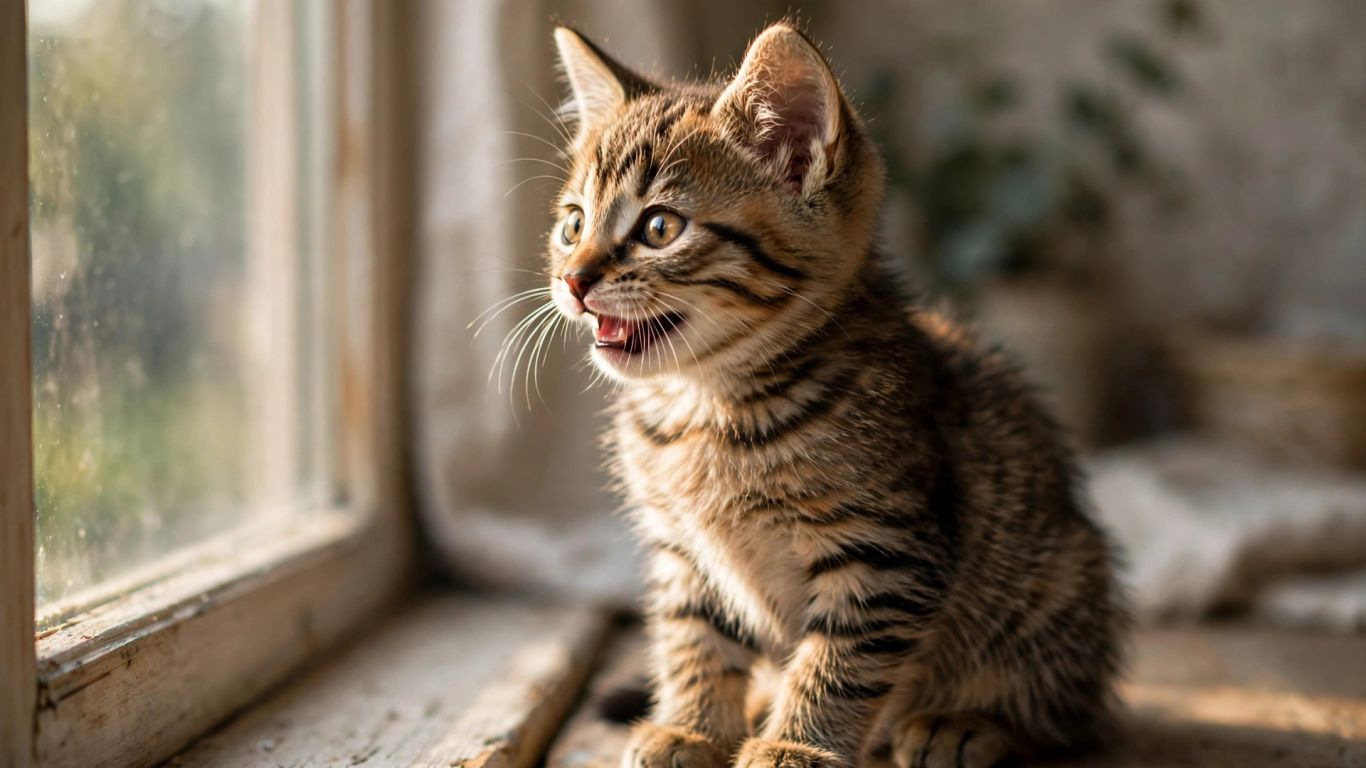
Short calls and repeated cries
A brief meow may be a simple way to get your attention, while a series of calls could mean your kitten is trying to communicate a need. Neither sound has one fixed meaning. A useful way to interpret the pattern is to compare it with what is happening around your kitten:
| What you notice | Possible context | What to check |
|---|---|---|
| A short call when you enter | Greeting or noticing you | Whether your kitten approaches or settles |
| Calls near the feeding area | Hunger or anticipation | Food availability and usual meal timing |
| Repeated calls after you leave | Seeking company or reassurance | Whether your kitten has a safe, comfortable place |
| A new or unusually urgent cry | Discomfort, fear, or illness | Other changes in behavior or health |
These are possibilities, not translations. If the same sound happens in different situations, look for the detail that changes—such as your kitten’s posture, access to resources, or the presence of a new noise—before deciding how to respond.
Yowling and distressed sounds
A long, loud cry can be unsettling to hear, but its intensity alone does not tell you why your kitten is making it. They may be frightened, frustrated, uncomfortable, or trying to find someone. Look for signs such as a crouched posture, hiding, or reluctance to move, and give your kitten space rather than picking them up if they seem scared. For an overview of common kitten calls, including short greetings and longer vocalizations, read about kitten sound patterns.
How body language and context help you interpret a meow
Watch your kitten’s ears, tail, posture, and movement as you listen. A kitten who approaches you with a relaxed body may be asking for interaction; one who retreats or crouches may need distance and a safe hiding place. You can learn more about what cat meows may signal, but your own kitten’s usual behavior is an especially useful point of comparison.
How meowing changes as kittens grow
Kittens’ communication develops as they grow and become more familiar with their surroundings. A young kitten may call to stay close to its mother, while an older kitten may use sounds to get a person’s attention. These are general patterns, not a timetable: temperament, health, and experience all affect how vocal an individual kitten is.
Newborn kittens and their mother
Newborn kittens depend on their mother for warmth, food, and care, and vocalizing can help them signal that they need her. If a very young kitten is separated from its mother or seems unable to nurse, contact a veterinarian or qualified animal-care professional for advice promptly. Their needs are time-sensitive and different from those of a weaned kitten.
Socialization and early communication
As kittens grow, they begin to explore people and their environment. They may vocalize during new experiences, or call when they are separated from a familiar person or place. Gentle, positive experiences and a steady routine can help them feel more comfortable; there is no need to force interaction when a kitten is wary.
Meowing in adolescent kittens
Older kittens may learn that meowing gets a person’s attention, especially around familiar routines such as meals or play. Their calls can become more varied as they interact with people and learn what tends to bring a response. That does not mean every vocalization should be ignored: first check for a need, then consider whether the kitten is asking for a predictable activity or some company.
How to respond to a meowing kitten
A calm response starts with curiosity rather than frustration. Look for a practical need, consider whether something has changed, and give your kitten a moment to settle. The goal is not to silence normal communication, but to respond in a way that supports their wellbeing and helps you notice meaningful changes.
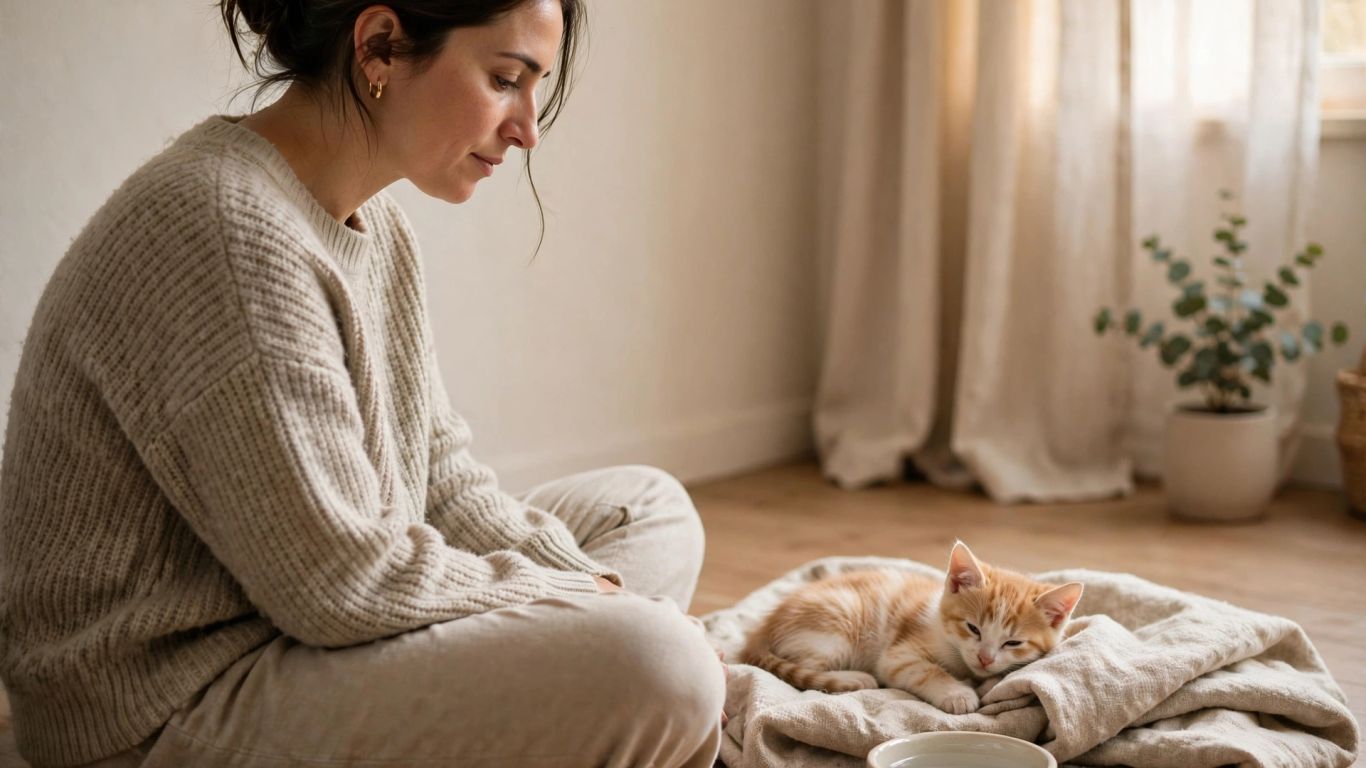
Check basic needs first
Before assuming that a kitten is asking for attention, check that food, fresh water, a clean litter area, and a comfortable resting place are available. A quick, consistent check can prevent you from missing a simple problem. It also gives you a clearer starting point if the meowing continues:
- Confirm that fresh water is within easy reach.
- Check that your kitten has access to its usual food and feeding routine.
- Make sure the litter area is clean and accessible.
- Notice whether your kitten seems cold, trapped, or unable to reach a resting place.
Once basic needs are accounted for, observe whether your kitten settles or keeps calling. If the meowing is new, intense, or paired with a change in health or behavior, do not rely on a routine check alone.
Offer comfort without reinforcing constant demands
When your kitten seems unsettled, offer calm company and a safe place nearby. If you suspect the call is simply asking for play or attention, you can wait for a brief quiet moment before starting that activity, so the interaction follows settled behavior rather than escalating cries. This should not mean withholding food, comfort, or care when your kitten may genuinely need them.
Build a predictable routine
Regular rhythms can make a home feel easier to understand. Aim for fairly consistent times for meals, play, and rest, while keeping changes gradual when you can. If your kitten calls at a particular time each day, note what usually happens just before it; a simple pattern may reveal whether they are anticipating a routine or reacting to something in the environment.
When frequent meowing may signal a problem
Some kittens are naturally more vocal than others, so frequency alone is not a diagnosis. A sudden change from your kitten’s usual pattern is more informative, especially if it appears alongside changes in movement, appetite, energy, or bathroom habits. If you are unsure whether the change is significant, a veterinarian can help you decide what to do next.
Signs of pain or illness
A kitten who cries when touched, moves differently, hides more than usual, or seems unusually distressed may be uncomfortable or unwell. These signs do not identify a cause on their own, but they are worth taking seriously. Avoid trying to diagnose the problem from the sound of the meow; focus instead on what has changed and share those observations with a veterinarian.
Changes in appetite, energy, or litter-box habits
Frequent meowing deserves closer attention if it comes with skipped meals, unusual tiredness, or a change in litter-box use. Write down when you first noticed the change and whether anything else in the home or routine shifted around the same time. The notes can help you describe the pattern clearly when seeking advice.
When to contact a veterinarian
Contact a veterinarian if your kitten’s vocalizing is sudden, persistent, or paired with signs of pain or illness. Seek prompt advice if a very young kitten is not feeding or seems weak. If the behavior appears connected to stress, a health check can still help rule out medical concerns before you focus on environmental support.
Helping a kitten feel settled and secure
A kitten’s sense of security grows through a combination of safe surroundings, gentle interaction, and time. A quiet retreat can be especially helpful during busy days or changes at home, while regular play and companionship give kittens healthy ways to explore. PAWSONA’s calming products are intended to help create a calmer environment and support cats as they adapt to stressful situations; they are not a substitute for veterinary care when a kitten seems ill.
Create a calm, kitten-friendly space
Choose a quiet area where your kitten can rest, hide, and reach essentials without being disturbed. Keep the space comfortable and avoid pulling a kitten out of a hiding place; letting them choose when to emerge can help them feel more in control. If you are preparing for a new cat, this guide to a safe, comfortable home offers related ideas for making the transition thoughtful.
Provide play, enrichment, and companionship
Short, gentle play sessions let kittens explore, move, and interact with you. Offer safe toys and give your kitten breaks if they lose interest or seem overstimulated. A few calm moments of companionship can be valuable too; the aim is to meet the kitten where they are, not to keep them busy every minute.
Introduce new people and pets gradually
New people, animals, or rooms can feel like a lot for a small kitten. Allow them to observe from a safe distance, keep early encounters brief, and make sure they can retreat whenever they want. For a similar example of gradual introductions, see this guide to introducing cats.
A patient, step-by-step approach is useful well beyond kitten care. For readers looking through other topics in our wider library, there is advice on managing an inherited property, root-cause medicine, puppy bite training, skin care after 40, and home battery reviews.
Conclusion
Kittens meow to communicate, but their sounds make the most sense when considered alongside body language, routine, and changes in the home. Check basic needs, offer calm reassurance, and give your kitten time to feel safe. If the vocalizing changes suddenly or comes with signs of illness, contact a veterinarian rather than trying to interpret the sound alone.
Frequently Asked Questions
Why does my kitten meow so much?
Kittens may meow for food, comfort, attention, or because something feels unfamiliar. Consider when the calls happen and whether your kitten’s behavior or surroundings have changed.
Should I ignore a kitten that keeps meowing?
First check that your kitten has food, water, a clean litter area, and a safe place to rest. If those needs are met and the kitten appears well, you can offer attention when they settle briefly, while still responding to signs of distress.
What does a kitten’s short meow mean?
A short meow may be a greeting or a request for attention, but it does not have one guaranteed meaning. Look at your kitten’s posture and the situation around the sound.
Why does my kitten meow when I leave the room?
Your kitten may be seeking company or reassurance, particularly if they are new to the home. Make sure they have a comfortable place to rest, and build confidence gradually with calm, predictable interactions.
Do kittens meow differently as they grow?
Their communication can change with age and experience. Very young kittens may call to their mother, while older kittens may use vocalizations to interact with people and respond to familiar routines.
When should I worry about my kitten’s meowing?
Take notice if the sound is a sudden change or comes with altered appetite, energy, movement, or litter-box habits. A veterinarian can help assess whether a health issue may be involved.
How can I help a kitten feel quieter and more secure at night?
Offer a comfortable, safe sleeping area and keep the evening routine calm and consistent. If your kitten’s nighttime vocalizing is new, persistent, or accompanied by other changes, ask a veterinarian for guidance.