


The Short Answer
A cat’s meow can be a greeting, a request, a response to stress, or a sign that something has changed. There is no universal translation: the time, place, body language, routine, and your cat’s usual vocal style all help provide context.
If your cat’s meowing suddenly increases, sounds unusual, or comes with changes in appetite, movement, litter-box habits, or mood, contact a veterinarian. Stress can contribute to vocalizing, but health problems can too.
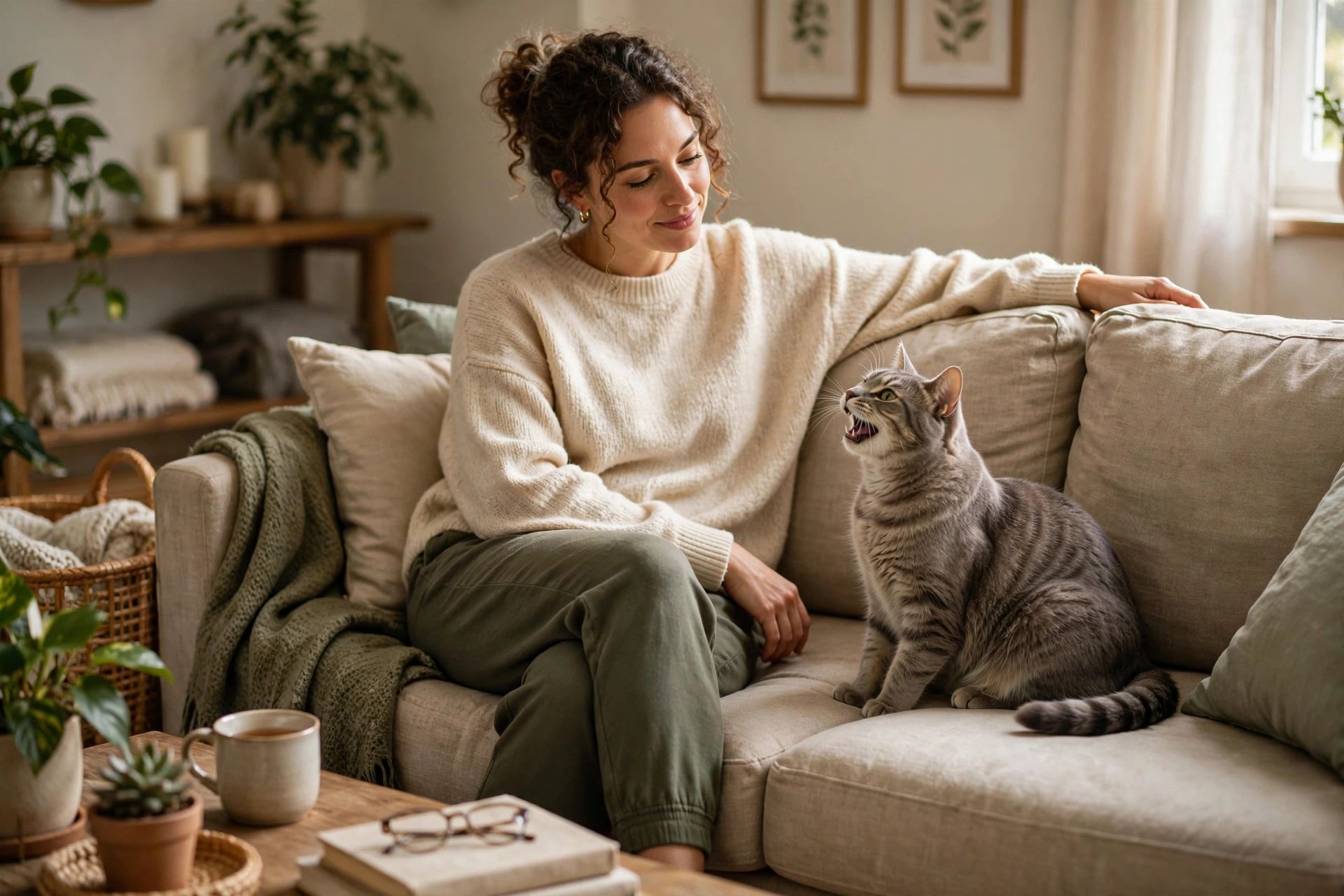
What Happened When I Fostered This Cat
I don’t have details of a specific foster cat or first-hand experience in the information provided, so I can’t honestly tell a personal story or describe what happened to a particular cat. Rather than inventing one, I’ll focus on what cat owners can observe when meowing changes—and how to respond thoughtfully.
That distinction matters: one cat’s pattern can offer useful clues, but it cannot tell us what every cat’s vocalizations mean. The most helpful starting point is the individual cat’s normal behavior and the circumstances around each sound.
What I Noticed
Without a specific foster-cat account, there are no personal observations to report. In general, it helps to notice whether a meow is brief or drawn out, whether it happens at a predictable time, and what the cat does before and after vocalizing.
A short call near a door may happen when a cat wants access; repeated sounds around mealtime may be connected with a familiar routine. A long yowl can have several possible causes, including social or reproductive behavior, distress, or discomfort. These are clues to investigate, not fixed translations or diagnoses.
Also watch the rest of the cat’s body. A relaxed approach differs from a crouched posture, flattened ears, or a cat that hides or moves away. Hissing and growling are warning signals; give the cat space instead of forcing contact.
What I Learned From This Experience
Because no first-hand fostering details were supplied, I can’t claim personal lessons from a particular cat. A useful general lesson, however, is to resist treating a meow as a complete explanation by itself. The sound is one part of a bigger pattern: what is happening around the cat, whether the behavior is familiar, and whether anything else has changed.
For cat owners, a brief record can be more helpful than guessing. Note when the meowing happens, how long it lasts, what was going on nearby, and any changes in eating, sleep, play, or litter-box use. Those details may reveal a routine or give your veterinarian a clearer picture.
Why Cats May Behave This Way
Cats may meow to greet people, request food or access, or seek attention. Cats and their people can also develop familiar communication patterns over time. Adult cats rely heavily on scent, posture, and other signals when interacting with one another, while meowing is especially noticeable in cat-to-human communication.
Frequent or changed vocalizing can have many possible causes. A shift in routine, visitors, tension with another pet, boredom, or time alone may contribute to stress-related behavior. Hunger, heat, aging, pain, and other health changes can also play a role. A naturally talkative cat may meow often without anything being wrong, but a sudden change from that cat’s usual pattern deserves attention.
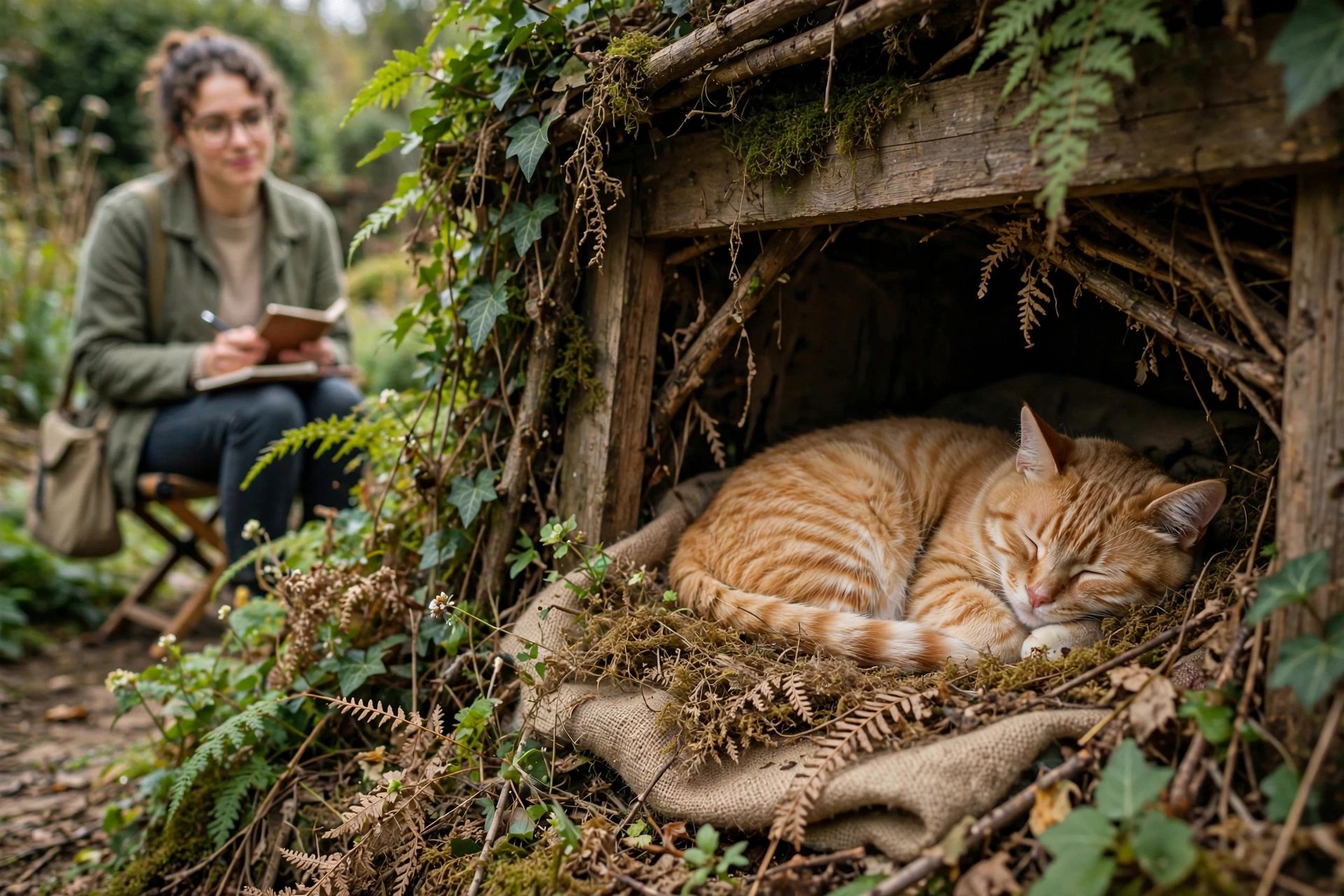
What I Would Do If I Faced This Again
Without a specific fostering story, I can’t say what I would repeat or change based on an outcome. A sensible approach to a cat’s new or increased meowing would be to:
- Check that food, fresh water, litter access, and a safe resting place are available.
- Observe the situation and body language rather than responding to the sound alone.
- Keep a short log of when the meowing occurs and what else changes.
- Avoid scolding, startling, or forcing interaction.
- Contact a veterinarian if the vocalizing is sudden, persistent, or paired with other symptoms.
What Other Cat Owners Can Learn From This
The broadly useful lesson is to look for patterns while keeping an open mind about the cause. A repeated call at a familiar time may be linked to routine, while a new yowl or a change alongside appetite or mobility deserves closer attention. Neither pattern provides a diagnosis on its own.
Each cat is different, so an approach that helps one cat may not suit another. Respond to essential needs, offer the cat a choice about interaction, and consider recent changes in the home. If you are unsure whether a behavior is stress-related or medical, a veterinarian can help assess it.
Practical Ways to Help a Stressed Cat
Start by considering what may have changed: household schedules, visitors, noise, time alone, or relationships with other pets. Make daily routines as predictable as practical, and provide a quiet place where the cat can retreat without being disturbed.
Play and exploration can add stimulation, while elevated resting spots and hiding places give a cat options for feeling secure. In multi-cat homes, make sure cats can access their essentials without being forced to compete or pass one another in tight spaces. Let a cat choose when to approach, and avoid punishment, which can add fear without addressing the cause.
If your cat’s vocalizing occurs alongside other possible stress signals, such as hiding or tension around household changes, look at the whole environment rather than trying to stop the sound alone. A brief record can help you identify triggers and decide whether the pattern is improving.
Can Cat Calming Products Help?
Calming products may be one part of a wider plan when environmental stress seems relevant, but they are not a substitute for identifying triggers or checking for health concerns. Results can vary between cats, and no product can establish why a cat is meowing.
For example, a cat pheromone diffuser may be considered as environmental support during a household change. A pheromone spray for cats is another option some owners consider for specific areas, when used as directed. If vocalizing may be associated with heat, speak with a veterinarian about the behavior and appropriate care; do not assume a product is a replacement for that assessment.
When to Seek Veterinary Help
Arrange veterinary advice if your cat’s meowing is new, increasing, persistent, or accompanied by changes in eating, drinking, movement, grooming, sleep, social behavior, or litter-box habits. Pain and medical conditions can affect behavior, so a change should not automatically be attributed to stress or attention-seeking.
Seek prompt veterinary care if unusual vocalizing occurs with severe pain, difficulty breathing, collapse, repeated vomiting, or trouble urinating. If the situation seems less urgent but the change continues, share your notes with the clinic and ask how soon your cat should be assessed.
Key Takeaways
- A meow has no single universal meaning; interpret it in context.
- Your cat’s usual pattern is a better comparison than another cat’s behavior.
- Note the time, location, body language, and events around the vocalizing.
- Stress and routine changes may contribute, but health issues can also affect meowing.
- Don’t punish or force contact with a vocalizing cat; check its needs and give it space.
- Calming products may support a broader plan, but they do not diagnose or treat every cause.
- A sudden change or meowing paired with other symptoms warrants veterinary advice.
Frequently Asked Questions
Why does my cat meow at me?
Cats may meow to greet you, request food or access, seek interaction, or respond to a change. Consider what is happening around the sound and whether it fits your cat’s usual routine.
Why does my cat meow more at night?
Nighttime vocalizing may be related to activity, routine, attention, stress, or a health change. If it is new or accompanied by other symptoms, ask a veterinarian for advice.
Do different cat meows have specific meanings?
Sounds can offer clues, but they do not have a universal translation. Consider the situation, body language, and whether the sound is new for your cat.
Is frequent meowing normal for some cats?
Yes, some cats are naturally more vocal than others. A change from an individual cat’s normal pattern is often more informative than comparing it with another cat.
Why is my cat suddenly yowling?
Yowling can have social, reproductive, environmental, or health-related causes. If it is sudden or persistent, especially alongside other changes, contact a veterinarian.
Should I ignore my cat when it keeps meowing?
First check that your cat is safe and its basic needs are met. Don’t ignore a new or unusual sound without considering whether something is wrong. Once you have checked for an immediate need, respond calmly and consistently.
When should I take a meowing cat to the vet?
Seek veterinary advice for a sudden or persistent change, or when meowing occurs with signs such as pain, confusion, or changes in appetite or litter-box habits. Difficulty breathing, collapse, or trouble urinating calls for prompt care.
Final Thoughts
A cat’s meow is a clue, not a complete explanation. I can’t offer a foster story without the details of one, but the practical lesson remains: notice what is different, look at the whole cat, and seek help when a change may signal a health concern. Responding with curiosity and patience is a better starting point than guessing—or punishing—the sound.