


Key Takeaways
Identifying why your cat is urinating outside the box is the first step toward restoring harmony in your home and improving your companion's quality of life.
- Prioritizing veterinary checkups to rule out underlying health issues like infections or kidney disease.
- Designing a litter box environment that caters to your cat's specific preferences and mobility needs.
- Locating litter boxes in calm, private areas that offer a sense of security during vulnerable moments.
- Implementing evidence-based calming strategies to mitigate environmental stress and anxiety.
- Utilizing specialized enzyme cleaners to erase lingering odors and prevent repeat accidents.
Ruling out medical issues
When you notice a sudden change in your feline friend's habits, it is essential to approach the situation with patience and concern rather than frustration. Inappropriate elimination is often a physical symptom of distress, not a behavioral choice. Before exploring environmental changes, you must systematically eliminate any health-related variables to ensure your cat feels truly safe and comfortable.
Identifying signs of urinary tract infections
Urinary tract infections and crystals can create an urgent, painful bathroom experience that your cat instinctively associates with the litter box. If you notice your cat straining to urinate, vocalizing in pain, or frequenting the litter box without producing much output, these are major red flags. Many common cat health guides suggest that even small changes in frequency can indicate a larger medical issue that requires professional intervention.
Managing age-related conditions like arthritis or kidney disease
As cats enter their senior years, mobility challenges often become the silent root cause of feline anxiety when using traditional high-sided litter boxes. A cat suffering from joint pain may find the act of stepping into a high-walled pan too physically demanding, leading them to search for more accessible spots around the house. Kidney disease can also lead to increased water intake and more frequent, larger volumes of urine, which the cat may struggle to manage in a standard setup.
When to schedule a professional diagnostic visit with your veterinarian
Consistency is the hallmark of a healthy cat, so any break in their established routine warrants a conversation with a professional. If you find yourself searching for a cat peeing outside litter box solution, please consult your veterinarian to perform a physical exam and urinalysis immediately. Delaying this step can cause unnecessary suffering and hinder the recovery process for conditions that may be reversible if identified early.
Evaluating litter box hygiene and design
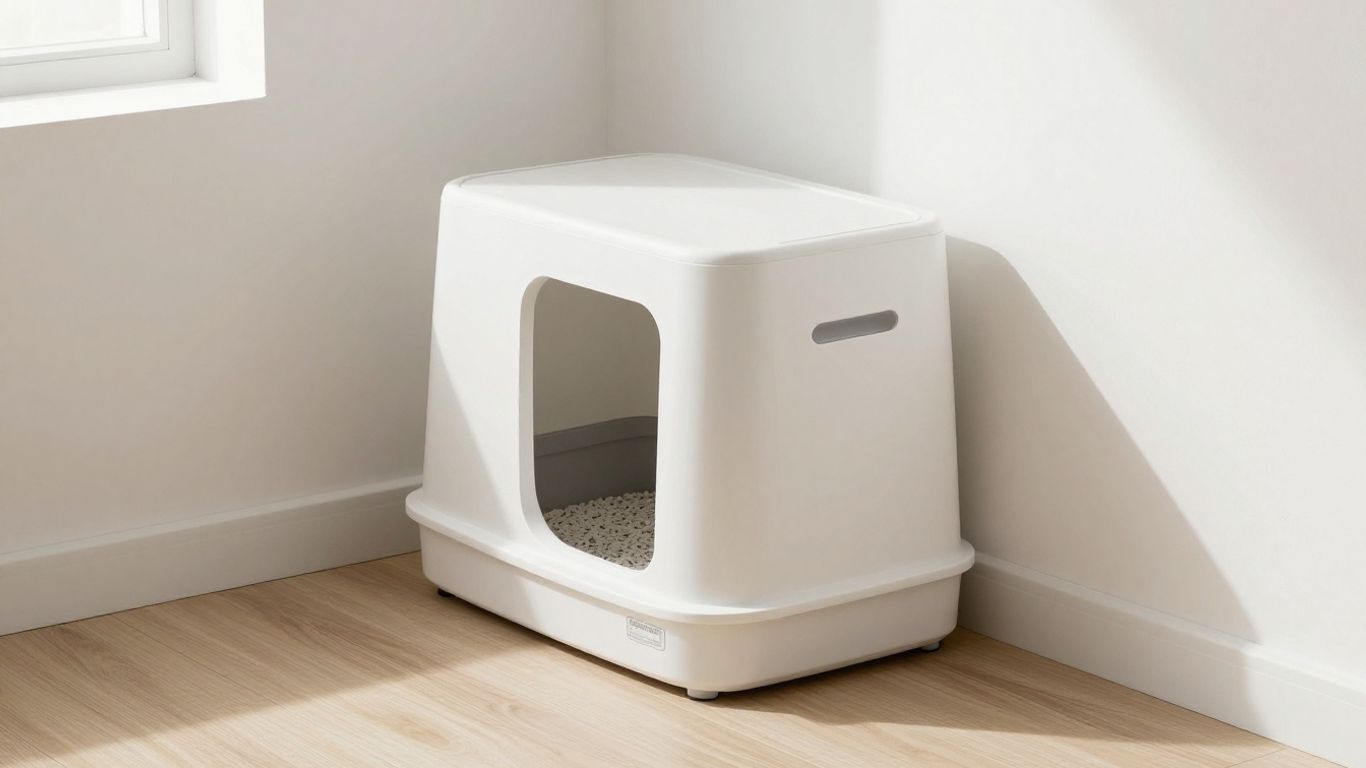
Once a veterinarian has confirmed that your cat is physically healthy, the next step involves refining their litter box experience. Cats are fastidious creatures; their refusal to use the box often stems from the setup failing to meet their high standards for cleanliness or comfort. By adjusting these variables, you can create a more inviting space that rewards good behavior.
Testing different types of litter substrates to find a preference
Just as humans have preferences for floor surfaces, cats have specific textures they find comfortable under their paws. Some cats strongly dislike heavy, scented litters or pellets that shift significantly, as these can feel unstable. Experimenting with different substrates is a practical, low-cost way to discover what your cat finds most agreeable during their daily routine.
Choosing the appropriate box size and accessibility for your cat
Many commercial litter boxes are undersized, making it difficult for an average adult cat to turn around comfortably. To help you decide on the configuration that works best for your home, consider the following environmental factors that often dictate a cat's comfort level:
| Box Feature | Recommendation | Benefit |
|---|---|---|
| Size | 1.5x length of cat | Provides room to turn around |
| Entry Height | Low entry point | Eases access for senior cats |
| Lid Status | Uncovered/Open | Reduces odors and trapping |
Establishing a deep-cleaning routine to keep the box inviting
Even with daily scooping, the box itself can retain microscopic particles that hold onto odors, signaling to your cat that the area is not clean enough. A deep-cleaning routine involving warm water and mild, non-toxic soap should occur periodically to refresh the environment. By keeping the box pristine, you reduce the likelihood that your cat will look for cleaner, alternate surfaces like rugs or laundry piles.
Assessing house layout and placement
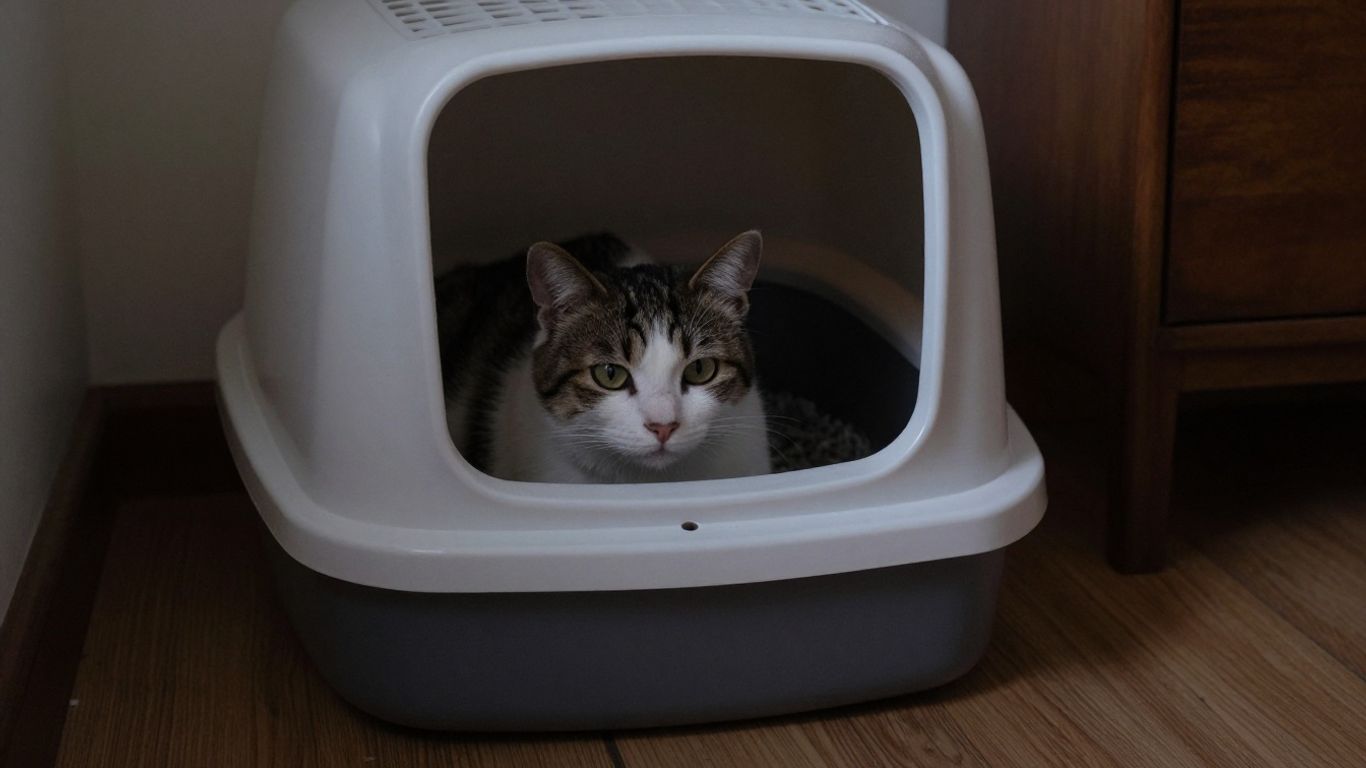
Placement is one of the most underrated factors in feline bathroom success. Cats crave a sense of security and privacy while they are in their most vulnerable state. Moving a box out of a laundry room that is loud or near a busy hallway often makes a significant difference in how frequently it is utilized by your pet.
Selecting a quiet and low-traffic location for privacy
Privacy ensures that your cat feels protected from potential threats or disruptions, which is crucial for building their confidence. A quiet, low-traffic area helps maintain a sense of predictability and safety. If you find your cat remains unsettled, you might look into cat enrichment and puzzles to keep their mind occupied and reduce general anxiety levels within the home.
Providing multiple boxes for multi-cat households
In homes with several pets, one box is almost never enough to satisfy the community's needs. The rule of thumb in feline behavior coaching is to have one box per cat, plus an additional one for the household. This prevents competitive tension where one cat might guard the access way, intimidating another into finding a different spot to relieve themselves.
Avoiding areas with potential noise or sudden physical distractions
Litter box success relies on a calm environment, free from sudden noises like furnace fans, loud speakers, or active dog traffic. It is important to remember these placement tips for a happier home:
- Ensure boxes are kept away from noisy appliances.
- Avoid placing boxes near food or water stations.
- Verify that the cat has a clear line of sight to exit the box.
- Keep paths to the box entirely free of clutter.
Addressing behavioral and stress factors
Behavioral issues are often indicators of underlying stress, particularly when the home environment changes. PAWSONA believes in understanding these shifts through the lens of a cat's natural needs. By providing a consistent schedule and reliable resources, you can often gently guide your cat back to appropriate habits without the need for punishment, which only exacerbates the underlying insecurity.
Managing environment stress from new pets or household changes
Introducing new family members or pets requires careful planning to prevent territorial insecurity. If your cat feels their status is being challenged, they may react by marking surfaces as a way to reaffirm their boundaries. Using PAWSONA® Anti On-Heat Spray or similar natural aids might help ease the transition, but the focus must remain on providing individual attention and separate safe zones for all animals involved.
Utilizing synthetic pheromones to create a calming influence
When structural changes aren't enough to restore peace, integrating a pheromone diffuser can significantly help. PAWSONA offers specialized solutions like the Zenkit Calming Diffuser Refill which are designed to support a cat's need for a stable, home-scent environment, helping them feel secure even when the broader household is in flux.
Identifying signs of territorial anxiety or social tension
Social tension can manifest subtly, appearing as staring matches or subtle avoidance behavior between household cats. Identifying these stressors is key to preventing inappropriate elimination. PAWSONA coaching emphasizes that observing how your cats greet each other can reveal a wealth of information about the social dynamics that might be causing your pet the anxiety that is preventing them from using their box.
Effective cleaning protocols for accidents
Cleaning up an accident the right way is critical to your long-term success. If even a faint trace of urine remains, your cat will be naturally drawn back to that spot, as the pheromones left behind act as a permanent invitation to remark the area. A thorough, systematic approach to cleaning will help you effectively reset your home's scent profile.
Understanding why enzyme cleaners are essential for breaking down urine
Regular soap and water simply don't have the chemistry required to break down uric acid crystals, which are the main component of cat urine that persists. Enzyme cleaners are designed to literally digest the proteins in the urine, effectively removing the biological marker rather than just masking it with perfume. You must ensure you use a dedicated pet-safe cleaner for this process to avoid irritating your cat's sensitive olfactory system.
Removing existing pheromone scents to discourage repeat incidents
Every time your cat urinates outside the box, they are effectively "labeling" that area as a potential bathroom. By removing these scents fully with a Cat Repellent Spray or a high-quality enzyme treatment, you disrupt this cycle. Patience is vital, as it may take several thorough cleanings to completely eliminate the odor to a level that the cat can no longer detect.
Assessing different floor surfaces for hidden trapped materials
Different flooring acts differently when it comes to absorbing liquids. While tile or hardwood may be easier to clean, urine can easily seep into the cracks between tiles or the porous finish of wood. If the accident occurred on carpeting, the urine has likely soaked deep into the padding beneath, meaning you might need to use a blacklight to find the full extent of the contamination before you can start the neutralization process.
Conclusion
By systematically ruling out medical issues, optimizing the litter box environment, and addressing the emotional well-being of your cat, you can successfully manage the issue of inappropriate elimination. Creating a consistent, low-stress home environment allows your companion to feel safe and secure once again, ensuring that both you and your feline friend can move forward with confidence and comfort.
Frequently Asked Questions
Is it normal for a cat to suddenly start peeing outside the litter box?
It is not normal for a cat to change bathroom habits, and such behavior should be considered an immediate signal that something is wrong, whether it is physical pain or a reaction to stress.
Can my cat be doing this out of spite?
Cats do not possess the concept of spite; when they urinate outside the box, they are simply trying to fulfill a biological need or communicate an urgent problem that they cannot articulate in other ways.
How many litter boxes should I have for two cats?
For a multi-cat household, you should ideally have three litter boxes available in different, quiet locations to ensure each cat has access regardless of social hierarchy.
Should I punish my cat for urinating on the floor?
Punishment is highly ineffective and often increases anxiety, which actually worsens the problem by further stressing the cat and making them more likely to avoid the litter box.
How often should I deep clean the litter box?
Depending on the type of litter and the number of cats, a deep clean should occur every two to four weeks, fully emptying the box and washing it with warm water and mild detergent.
Will the behavior stop once I clean the spot?
While cleaning with enzyme-based products is a necessary first step, it must be accompanied by an investigation into the cause to ensure the cat feels comfortable enough to return to the box.
When do I need to see a vet?
If you see your cat straining, vocalizing, or if there is any blood in the urine, or if the behavior continues for more than 24 hours, you should make a diagnostic appointment with your veterinarian immediately.