


Key Takeaways
A calming collar may be one part of a wider plan to help a stressed cat feel safer. Choose carefully, introduce it gently, and look for the reason behind the behavior.
- Check the ingredients, instructions, fit, and wear duration before buying.
- Look for a secure fit that still allows comfortable movement, and follow the product’s safety directions.
- Let your cat inspect the collar first and monitor their comfort after it is put on.
- Pair calming aids with steady routines and changes to the environment that address your cat’s triggers.
- Seek veterinary advice for persistent distress or behavior changes that could have a medical cause.
How calming collars may help anxious cats
Cats can react to change in ways that are easy to misread as misbehavior. A calming collar may offer support in some situations, but it is not a substitute for understanding what is upsetting your cat or checking for health problems. Think of it as one possible part of a thoughtful plan, not a guaranteed fix.
What pheromone collars are designed to do
Pheromone collars are designed to provide calming cues associated with feline pheromones. The idea is to support a more settled response in some cats, rather than to sedate them or erase the cause of stress. Individual cats vary, so watch what happens at home rather than assuming a collar will work the same way for every animal.
Situations that may trigger stress at home or outdoors
A change in surroundings can unsettle a cat: moving, a new pet, unfamiliar visitors, loud sounds, travel, or a visit to the veterinarian may all be difficult. Cats may respond by hiding, vocalizing more, eating less, scratching, or marking. A guide to recognizing cat anxiety can help you look at the behavior alongside routines and the home environment, rather than treating one sign in isolation.
What to expect—and what a collar cannot guarantee
A collar cannot promise that a cat will stop hiding, spraying, or reacting to a particular trigger. Even when a calming aid seems helpful, the surroundings and the underlying cause still matter. Keep a simple record of behavior before and after introducing any product; small changes over time are more useful to notice than a single unusually calm afternoon.
How to choose a cat calming collar in Malaysia
Buying a cat calming collar for anxious cats Malaysia owners can find online calls for more than comparing prices. Product ingredients, fit, safety instructions, seller information, and delivery terms all deserve a careful look. Labels and listings should make it possible to understand what you are buying and how it is meant to be used.
Check the active ingredients and product claims
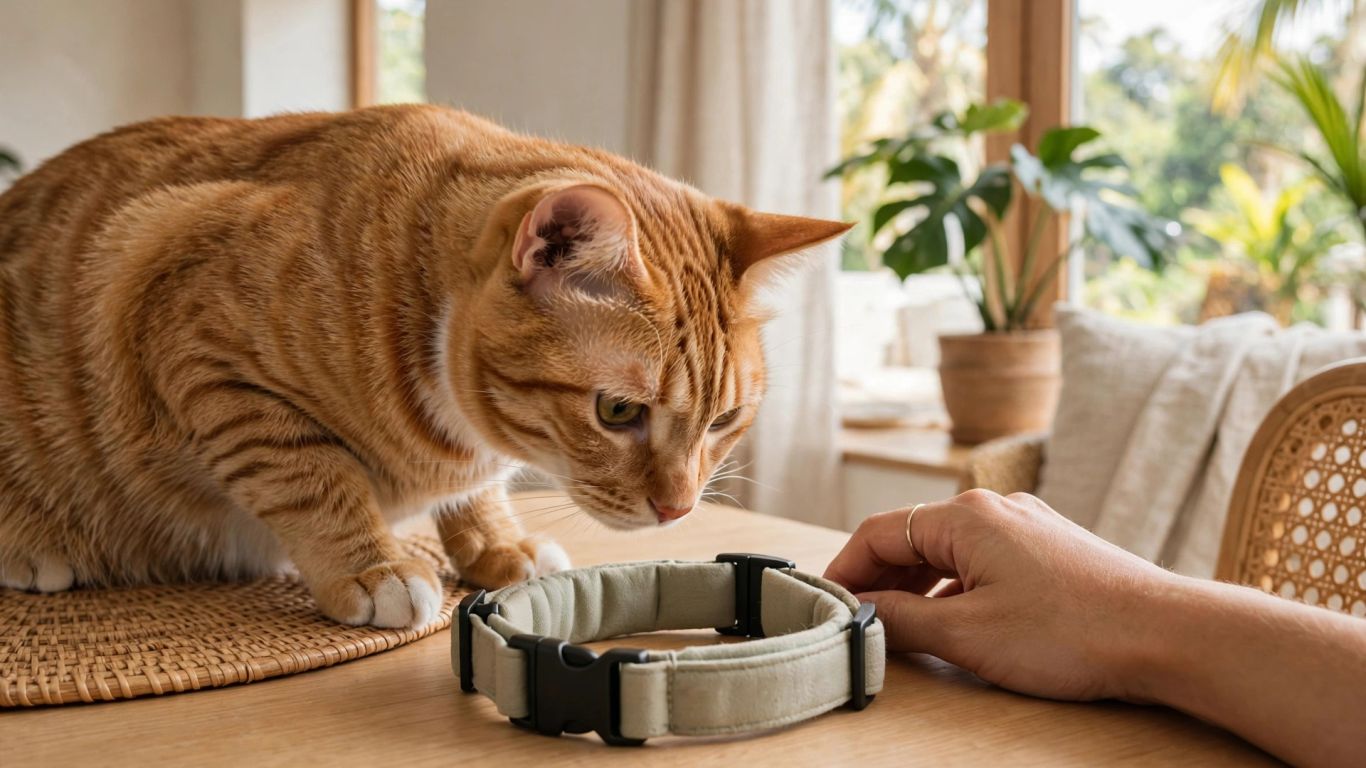
Read the ingredient list and the product’s explanation of how the collar works. Be wary of broad promises such as instant relief or a guaranteed end to unwanted behavior; a product listing is not proof that every cat will respond. The PAWSONA® Calming Collar is described as pheromone-based and as providing support for up to 30 days, so check the current package directions for the precise wear and replacement instructions.
Compare collar fit, breakaway features, and wear duration
A collar should fit without rubbing or restricting your cat, and the safety design matters because cats climb, squeeze into spaces, and play. Compare the details on each label rather than assuming all collars use the same materials or release mechanism. This table can help organize the questions to check before choosing one.
| What to check | Why it matters | What to look for |
|---|---|---|
| Fit and adjustment | A poor fit can be uncomfortable or unsafe | Clear sizing guidance and adjustment instructions |
| Safety feature | A collar may catch on something during normal activity | A stated breakaway or other safety design, if provided |
| Wear duration | Products differ in how long they are intended to be worn | A specific duration and replacement guidance |
| Use instructions | Incorrect use may cause problems or reduce suitability | Clear directions, warnings, and age or health limits |
After comparing these details, choose only a collar whose instructions you can follow and whose fit you can check. If the listing does not explain a safety feature or wear schedule, ask the seller or choose a better-documented option.
Review labels, seller details, and product authenticity
Look for a complete label, clear manufacturer or seller details, and packaging that matches the product description. Check whether the listing explains returns and how to contact the seller if an item arrives damaged or unclear. Careful reading is useful for any purchase, even unrelated guides to roof valley materials, Malaga home-buying checks, long-term care planning, senior shower brushes, and metal roofing choices: the details matter more than a confident headline.
How to introduce a collar safely
Some cats are comfortable with new objects; others need time to approach them. A gradual introduction gives your cat room to investigate and lets you spot discomfort early. Follow the product directions throughout, and stop if your cat appears distressed or develops a reaction.
Let your cat inspect it before putting it on
Set the collar near a familiar resting place while it is still in its packaging or otherwise inaccessible for chewing, and let your cat approach voluntarily. Avoid chasing or holding your cat down to put it on; that can make the experience more frightening. When your cat seems relaxed around it, proceed according to the label rather than rushing to use it during a stressful event.
Adjust the fit and check your cat’s comfort
Once the collar is on, check that it sits comfortably and that your cat can move normally. The Pawsona Calming Collar is described as adjustable for necks up to 63 cm; use the product’s own sizing and fitting instructions rather than relying on a general estimate. Keep an eye on the fit as your cat moves, grooms, and rests.
Watch for irritation or changes in behavior
For the first few hours and days, look for rubbing, redness, repeated attempts to remove the collar, or a sudden change in activity or mood. If you notice a concerning reaction, remove the collar if it is safe to do so and contact a veterinarian for advice. A short, steady observation routine can help you tell whether the product seems comfortable for your cat.
How to use a collar alongside other calming measures
A collar is unlikely to address every source of anxiety on its own. Cats often benefit from predictable care and a home arrangement that lets them retreat, observe, and approach new situations at their own pace. Keep the response calm and practical, especially if the stress is linked to a recent change.
Keep routines and familiar spaces consistent
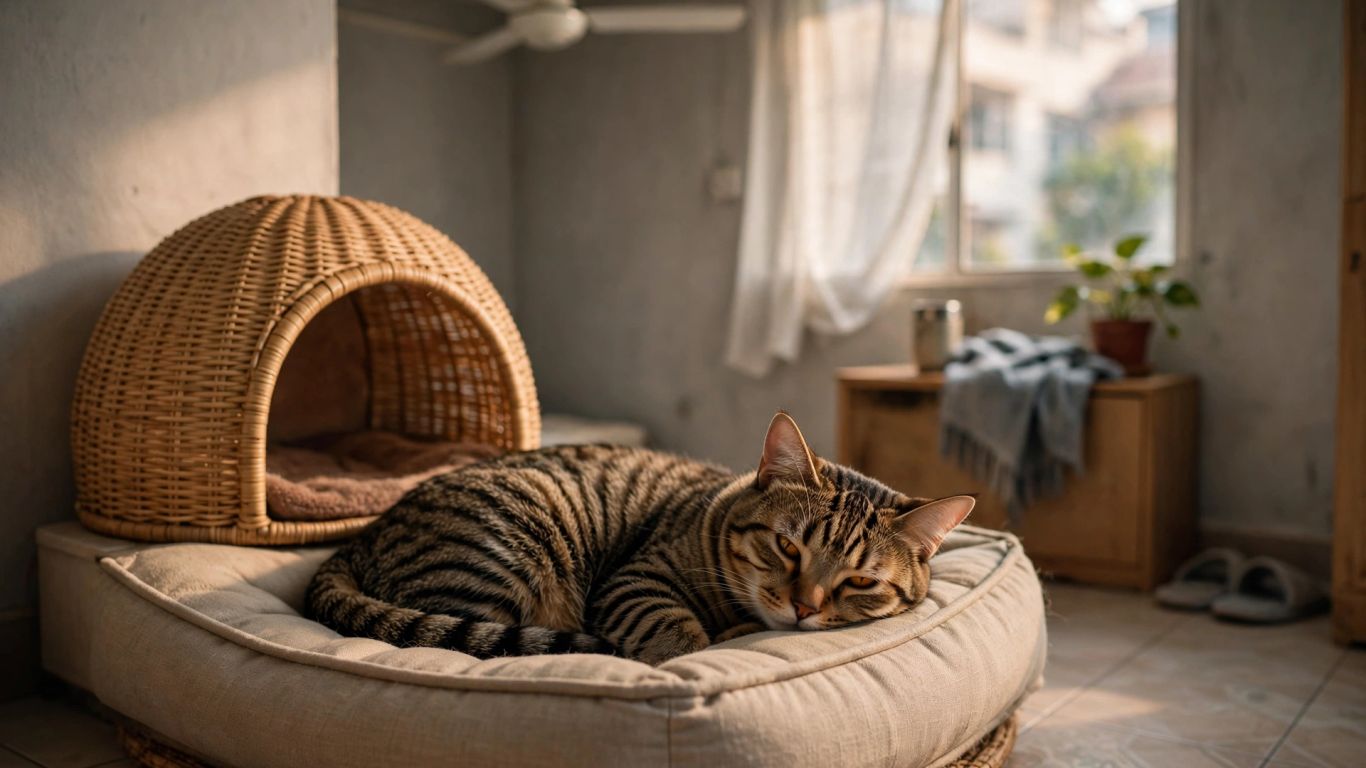
Regular feeding, play, and quiet time can make daily life feel more predictable. Make sure your cat has access to familiar bedding, water, litter, and a place to rest away from busy areas. A calm-home guide offers additional ideas for comfortable resting areas and predictable routines.
Reduce noise, conflict, and other environmental stressors
Before adding another calming aid, consider what can be changed in the environment. For example, you might:
- Give your cat a quiet retreat away from visitors and household traffic.
- Provide separate food, water, litter, and resting areas when cats are in conflict.
- Reduce exposure to sudden noise where practical, and keep windows or doors secure.
- Introduce visitors, new pets, or changes to a room gradually.
These adjustments do not need to happen all at once. Start with the trigger that seems most likely, then observe whether your cat’s behavior changes.
Consider play, hiding spots, and gradual exposure
Play and safe hiding places can give a cat ways to cope without forcing contact or exploration. If a particular sound, carrier, or room causes fear, introduce it in small steps when your cat is calm, pairing each step with space and positive experiences. For a broader comparison of product formats, see calming support options, while keeping environmental changes central to the plan.
When a calming collar may not be the right choice
A collar is not suitable for every cat, and stress-like behavior can have more than one cause. If your cat is unwell, uncomfortable with wearing a collar, or showing severe distress, a product trial should not delay veterinary care. Respond to the cat in front of you, rather than assuming every behavior is anxiety.
Recognize signs that need veterinary attention
Sudden changes in appetite, litter-box habits, movement, grooming, or social behavior deserve attention, especially when they persist or worsen. Difficulty urinating, obvious pain, breathing problems, collapse, or repeated vomiting calls for prompt veterinary help. A collar cannot diagnose or treat a medical emergency.
Consider health issues that can resemble anxiety
Pain, illness, and age-related changes may lead a cat to hide, become irritable, vocalize, or avoid normal activities. These signs can overlap with stress, so consider when they began and whether anything else has changed. A veterinarian can help determine whether a medical issue needs to be addressed before focusing on behavior support.
Ask a veterinarian about persistent or severe distress
If your cat remains distressed despite reasonable changes at home, or the behavior is affecting eating, sleep, safety, or daily care, arrange a veterinary appointment. Share when the behavior occurs, what seems to trigger it, and any changes you have tried. This gives the veterinarian a clearer starting point for discussing suitable next steps.
What to consider before buying online in Malaysia
Online listings can make it easy to compare products, but the description may not answer every practical question. Check stock status, delivery estimates, return conditions, and whether the seller can clarify the product instructions. For local availability, it is worth looking at the full listing rather than relying on a search-result summary.
Compare local availability, delivery, and return policies
Check whether the item is currently available, what delivery costs or timing apply, and how returns are handled if the package is damaged or the product is unsuitable. If you need the collar for an upcoming trip or event, allow enough time to introduce it gently instead of putting it on for the first time at the last moment. Keep the order confirmation and packaging until you know the item is as described.
Check the product’s instructions and expiry information
Before ordering, see whether the listing shows the full directions, warnings, storage guidance, and any expiry or batch details. If that information is missing, ask the seller before purchase. Once it arrives, compare the package with the listing and do not use a product with unclear instructions or damaged packaging.
Be cautious of unsupported promises and unclear listings
Phrases promising immediate calm or a guaranteed behavioral change should be treated cautiously. Look for specific product information and avoid listings that leave the active ingredients, seller, or safety instructions unclear. A few minutes spent checking these details can help you make a more informed decision without expecting a collar to do more than the label states.
Alternatives if a collar does not suit your cat
If your cat dislikes wearing a collar or the fit is not suitable, there are other ways to support them. The right choice depends on the trigger, the home environment, and how your cat responds to change. You do not need to keep trying a product that makes your cat uncomfortable.
Explore diffusers or sprays where appropriate
A diffuser or spray may be a more practical format for some households, depending on where the stress occurs and what the product instructions allow. Check placement, use directions, and any safety precautions before using an alternative. Do not apply a product directly to your cat unless its label specifically instructs you to do so.
Discuss behavior plans and other options with a veterinarian
For ongoing or intense anxiety, ask a veterinarian about a behavior plan and whether additional support is appropriate. Share what happens before, during, and after the stressful behavior, along with the changes you have already tried. A professional can help you avoid treating a medical issue as a behavior problem or layering products without a clear reason.
Match the approach to your cat’s triggers and temperament
A cat stressed by noise may need a different environmental adjustment from one struggling with conflict between household cats or travel. Notice which situations bring on the behavior, what helps your cat recover, and whether the chosen approach is easy to use consistently. A well-matched plan is usually more useful than adding several calming products at once.
Conclusion
A calming collar may be worth considering when its ingredients, fit, and directions suit your cat, but it works best as one small part of a broader response to stress. Introduce it gently, monitor your cat’s comfort, and make practical changes to the environment. If distress persists or behavior changes suddenly, check in with a veterinarian rather than relying on a collar alone.
Frequently Asked Questions
Do calming collars work for every cat?
No. Cats respond differently, and a collar cannot guarantee a change in behavior. Track your cat’s response and consider the underlying trigger as well.
How long should a cat wear a calming collar?
Follow the duration and replacement guidance on that specific product’s label. Wear time varies, so do not assume one collar’s instructions apply to another.
Can a calming collar be used for travel?
It may be considered if the product is suitable for your cat, but introduce it before travel and follow its instructions. A collar is not a substitute for secure transport and familiar travel routines.
What should I do if my cat scratches at the collar?
Check the fit and watch for rubbing, redness, or distress. If your cat remains uncomfortable, remove it if safe and ask a veterinarian for guidance.
Can I use a collar and a diffuser together?
Check the instructions for each product and ask a veterinarian if you are unsure about combining them. More calming products do not automatically mean better results.
Is hiding always a sign of anxiety?
No. Hiding can be a response to stress, but illness or pain can also change a cat’s behavior. If the change is new, persistent, or accompanied by other symptoms, consult a veterinarian.
When should I seek veterinary advice?
Seek advice for persistent or severe distress, sudden behavior changes, appetite or litter-box changes, or signs of pain or illness. Urgent symptoms such as difficulty urinating or breathing problems need prompt care.