


Key Takeaways
A thoughtful cat adoption starts before you meet a cat and continues through the first weeks at home. Give yourself time to choose a good fit and let your new companion adjust at their own pace.
- Consider your schedule, household, and ability to provide long-term care.
- Compare local shelters and ask about their adoption process and support.
- Look beyond age or appearance to find a cat whose needs suit your home.
- Prepare a quiet room, basic supplies, and a safe environment before arrival.
- Introduce people and pets gradually, and contact a veterinarian with health concerns.
Decide whether cat adoption is right for you
Bringing home a cat can be deeply rewarding, but it changes daily routines and comes with ongoing responsibilities. Before you begin cat adoption, think about the time, space, and care you can reliably offer. No home needs to be perfect; the goal is to choose a situation that is kind and workable for both you and the cat. A little honest planning now can prevent avoidable stress later.
Match a cat’s needs to your lifestyle
A cat’s age, activity level, and comfort with alone time can shape how well your routines fit together. Consider your work hours, travel plans, and whether you want a playful companion or a quieter presence. Cats vary, so ask about the individual rather than assuming every kitten or adult will behave the same way. If you travel often, include the cost and logistics of care while you are away in your planning.
Consider your household, children, and other pets
Think through how a new cat would experience your home, not only how each person hopes the cat will behave. Children may need reminders to let a cat approach and to keep handling gentle. If you already have pets, consider their temperaments, health, and access to separate spaces. Planning for gradual introductions gives everyone room to become familiar without being pushed together too quickly.
Plan for long-term care and expenses
Food, litter, routine veterinary visits, and unexpected medical needs are part of caring for a cat throughout their life. Costs vary by location and by a cat’s needs, so ask a veterinarian or local shelter for realistic estimates rather than relying on a single number. You may also want to review household expenses as a whole; if you already have a solar system, these practical solar panel efficiency tips may help you think through its upkeep. A realistic budget leaves more room to respond calmly when a cat needs extra care.
Find a reputable shelter or rescue
A good adoption experience begins with clear information and respectful care for the animals. Look at local shelters, foster-based rescues, and adoption events, then ask how each organization helps adopters find a suitable match. A rescue’s public information should make it reasonably easy to understand how to get in touch and what to expect. If a small organization is improving its public listing, this online catalog listing guide discusses information that can help a business become easier to find.
Compare local shelters, rescues, and adoption events
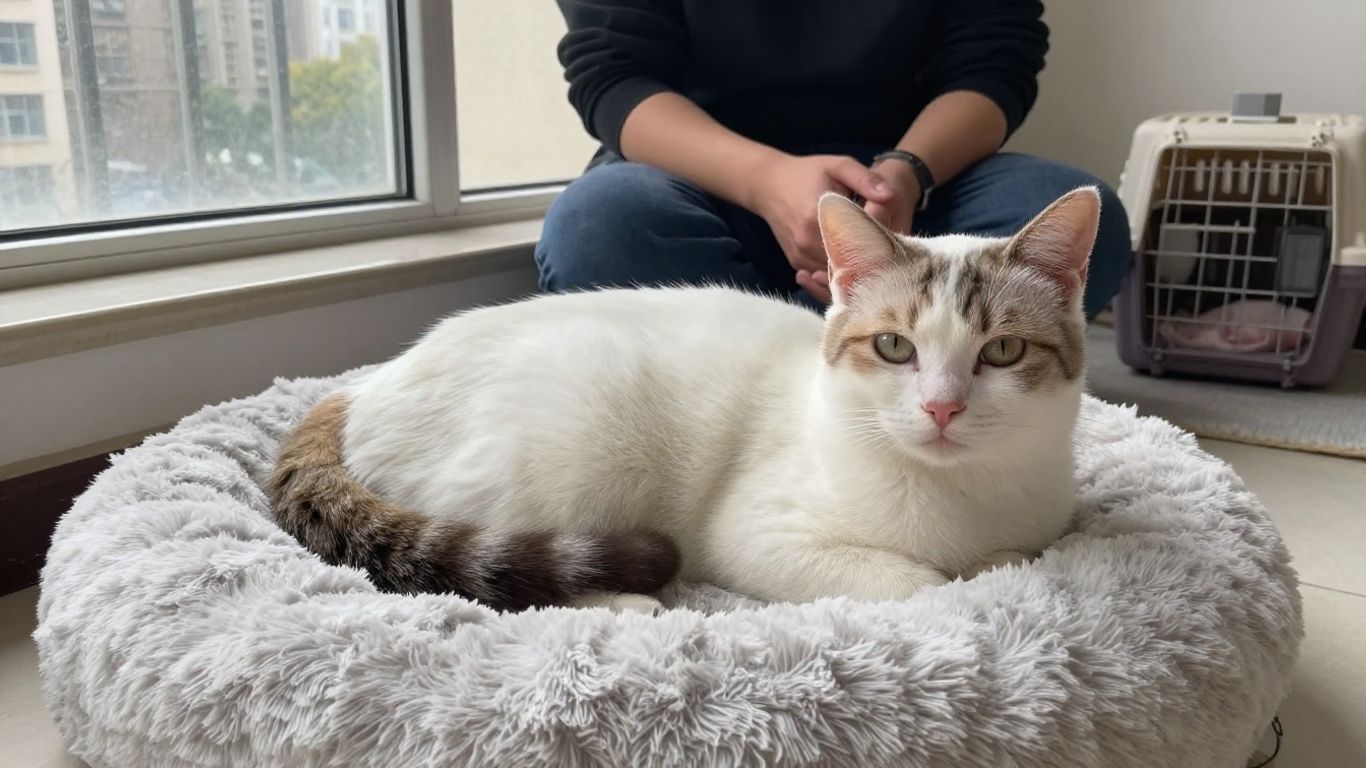
Different organizations may have different ways to meet cats, from visiting a shelter to arranging a conversation with a foster caregiver. Browse current listings and check whether the information is recent before making plans. For a local example of the kinds of details an adoption page may provide, see DuPage County cat adoption information. You can also ask whether appointments are needed and what to bring for a visit.
Review adoption policies and available support
Before applying, read the organization’s policies on applications, household requirements, fees, and what happens if an adoption does not work out. Some shelters offer guidance after a cat goes home, while others may refer adopters to outside resources; ask what support is available. Clear expectations make it easier to decide whether the organization’s process suits your circumstances. Shelters updating their online information may find this content management system guide relevant to organizing a website, though adopters should focus on the organization’s actual policies.
Ask how cats are cared for and assessed
Ask what the organization can share about a cat’s medical history, behavior, and experience in a home or foster setting. It is fine if some details are unknown; what matters is receiving an honest explanation of what has and has not been observed. Ask how staff handle signs of stress and whether the cat has had opportunities to interact with people. Answers can help you understand which follow-up questions to raise with a veterinarian or behavior professional.
Choose a cat who fits your home
The best match is not necessarily the youngest, most outgoing, or most immediately affectionate cat. Focus on the individual cat’s needs and the kind of home where they are likely to feel secure. Shelter behavior can offer clues, but a brief meeting cannot tell you everything about how a cat will act once settled. Ask questions, take your time, and allow for some uncertainty.
Understand age, temperament, and energy levels
Age can be one helpful starting point, but temperament and daily activity matter just as much. A kitten may need more supervision and play, while an adult or senior cat may have a more established routine; individual cats still differ. This comparison can help you prepare questions without treating an age group as a guarantee:
| Cat’s life stage | What to ask about | What to consider at home |
|---|---|---|
| Kitten | Play needs and comfort with handling | Time for supervision and activity |
| Adult | Established habits and energy level | Whether the cat’s routine fits yours |
| Senior | Mobility, health, and preferred pace | Comfort, easy access, and veterinary care |
Use the answers to discuss a specific cat with shelter staff, rather than choosing by age alone. A quieter home may suit one cat, while another may welcome more activity and interaction.
Ask about health history and behavior
Ask what is known about vaccinations, previous veterinary care, current medications, and any health concerns. You can also ask how the cat responds to handling, new people, other animals, and changes in routine. Behavior reports reflect what someone has seen in a particular setting, not a fixed prediction of how the cat will act at home. Keep a note of unanswered questions so you can follow up before or soon after adoption.
Meet the cat and observe how they respond
During a meeting, give the cat a little time to notice you before reaching toward them. Watch their posture, movement, and interest in the space; hiding or keeping distance may mean they need more time, not that they are unfriendly. Ask the caregiver what behavior is typical for that cat and what situations seem uncomfortable. A calm, patient visit gives you more useful information than trying to force an instant connection.
Navigate the adoption process
Once you have found a possible match, the next steps are usually practical: an application, a conversation with the organization, and an agreement about care. The exact process varies, so check the shelter’s current instructions rather than assuming every organization works the same way. Make room for questions on both sides; the aim is to support a suitable placement. It can help to gather basic information before you begin.
Prepare your application and references
Applications commonly ask about your household, experience with pets, and plans for daily care, though each organization sets its own requirements. Answer carefully and share relevant details about children, other animals, travel, and housing. If references are requested, let those people know in advance. Preparing these details makes it easier to have a clear conversation about whether the cat and your home seem like a good fit.
Learn what adoption fees usually cover
Ask the organization what its fee includes and whether any services or records will be provided at the time of adoption. Inclusions differ, so request an itemized explanation instead of treating a typical fee as a promise of particular care. You may also want to set aside money for supplies and a veterinary visit after bringing the cat home. Knowing what is covered helps you plan for costs that remain yours to manage.
Review the contract and bring-home requirements
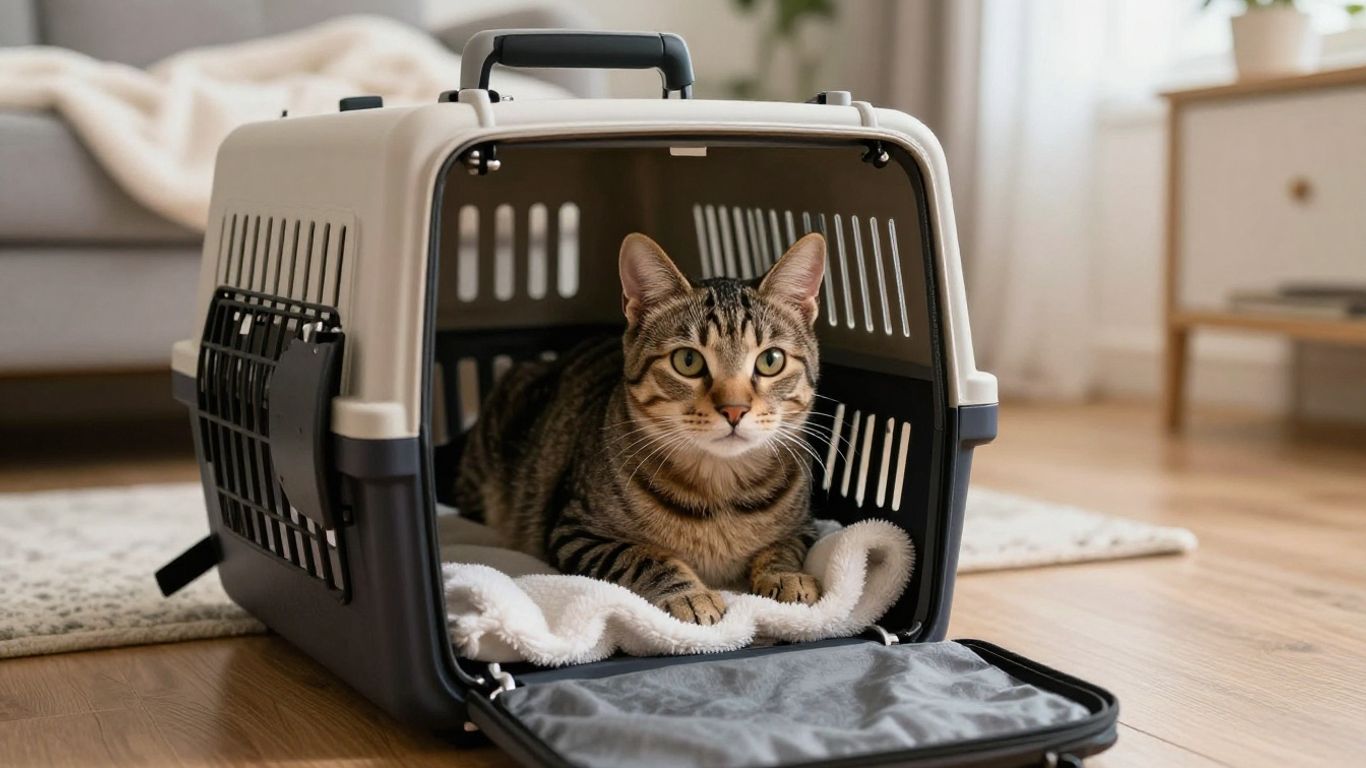
Read the adoption agreement before signing, and ask about any clause or requirement you do not understand. Confirm what identification, carrier, or other items you need on pickup day, and check whether the organization has advice for the first trip home. If you plan to prepare washable bedding, these instructions for washing a comforter at a laundromat can be useful when that type of bedding needs cleaning. Bring a secure carrier and follow the shelter’s directions for a safe journey.
Get your home ready
A little preparation can make the first hours at home feel less overwhelming. Set up the essentials before pickup so the cat does not have to wait while you search for food or litter. Choose a space that is quiet and easy to secure, and remove hazards before allowing exploration. For broader ideas on everyday feline care, this cat care guide covers topics such as food, routines, and a safe home environment.
Gather food, litter, and essential supplies
Ask what food and litter the cat has been using, and start with familiar options when possible. Have bowls, a litter box, a sturdy carrier, a scratching surface, and a few simple toys ready. If you want to keep the new supplies organized, printable label templates can help mark storage containers without putting labels where the cat can chew them. Keep the setup simple at first; you can learn what your cat prefers over time.
Create a quiet, secure starter room
Choose a room where the cat can access food, water, litter, a hiding place, and a comfortable resting spot without a lot of foot traffic. Check that doors and windows close securely before letting the cat explore. A smaller starter area offers a manageable first territory, especially for a cat who seems wary. Keep the room calm and let the cat decide when to investigate its new surroundings.
Remove hazards and check windows and plants
Look around at cat height for loose cords, small objects, open storage, and anything a curious animal could chew or swallow. Secure window screens and keep doors closed during arrival and early exploration. Check houseplants against reliable veterinary guidance, since some can be unsafe for cats. A quick sweep before the cat arrives is easier than trying to redirect them from every new temptation later.
Help your cat settle in
A new home can feel unfamiliar even when it is quiet and welcoming. Hiding, cautious eating, or keeping distance may be part of a cat’s adjustment, so watch the whole pattern rather than expecting immediate affection. PAWSONA offers scientifically formulated calming products, including pheromone diffuser kits, calming sprays, calming collars, and nutritional supplements, designed to help create a calmer environment. Products are not a substitute for addressing a cat’s needs or seeking veterinary advice when something seems wrong.
Give your cat time and space to adjust
Let the cat stay in the starter room until they seem comfortable enough to explore, and avoid pulling them from a hiding place. Sit nearby quietly and allow them to approach on their own terms. A PAWSONA pheromone diffuser kit is among the calming products designed to help create a calmer environment, but keep the space, routine, and respectful distance at the center of your plan. For more ideas on a patient transition, read this new-cat settling guide.
Introduce family members and pets gradually
Start with calm, brief contact and increase access only as the cat and household members remain comfortable. With resident pets, begin with separation and follow a gradual introduction plan; hissing, avoidance, or tense body language are reasons to slow down. PAWSONA also offers calming sprays and collars as part of its scientifically formulated calming products intended to help create a calmer environment. These options do not replace separate spaces and careful introductions; this gradual cat introduction guide offers further steps.
Schedule veterinary care and maintain a routine
Ask the shelter what veterinary care has already been provided and arrange follow-up with a veterinarian to discuss any remaining needs. Keep meals, play, and quiet time reasonably predictable while your cat adjusts. If you notice persistent changes in eating, elimination, or behavior, contact a veterinarian rather than assuming stress is the only cause. PAWSONA includes nutritional supplements among its calming products, but questions about a cat’s health or diet are best discussed with a veterinary professional.
Conclusion
Welcoming a cat is less about finding a perfect moment and more about making thoughtful choices, preparing a safe landing place, and respecting the cat’s pace. When you ask clear questions and build trust gradually, you give your new companion room to feel at home—and yourself a steadier start to life together.
Frequently Asked Questions
How do I know if I’m ready to adopt a cat?
Consider whether you can provide daily care, routine veterinary attention, a safe home, and a plan for costs and travel. If those needs fit your household, you can begin exploring suitable cats and organizations.
Should I adopt a kitten or an adult cat?
Neither age is best for every home. Think about your schedule and preferred activity level, then ask about the individual cat’s needs and habits.
What should I ask a shelter before adopting?
Ask about known health history, observed behavior, adoption requirements, fee inclusions, and any support available after adoption. It is also useful to ask what is still unknown.
How much does cat adoption cost?
Fees vary by organization and location. Ask what the fee covers and budget separately for supplies, routine care, and possible unexpected veterinary expenses.
What should I buy before bringing a cat home?
Start with food, water and food bowls, a litter box and litter, a carrier, a scratching surface, and a quiet place to rest or hide. Ask the shelter what the cat already knows.
How long does it take a new cat to settle in?
There is no single timeline. Some cats explore quickly, while others need more time; follow the cat’s behavior and expand access at a comfortable pace.
How should I introduce a new cat to my other pets?
Begin with separate spaces and gradual, supervised steps. If either animal seems distressed, pause and slow the process rather than forcing contact.