


Key Takeaways
Understanding your cat's emotional well-being is the first step toward a more harmonious household. By implementing small, consistent changes, you can significantly improve your pet's quality of life.
Identifying early warning signs is crucial for effective intervention.
Vertical spaces provide essential security and peace of mind.
Natural pheromone solutions can mimic comforting feline signals.
Predictable daily routines help anchor an anxious cat.
Professional guidance remains vital for managing chronic stress.
Identifying the signs of feline stress
Feline stress is often subtle, manifesting through slight shifts in routine rather than obvious distress signals. Understanding your cat's unique communication style requires observing changes in their daily habits and interactions. Recognizing these expressions of anxiety early allows you to address the root causes of their unease before problems escalate.
Common behavioral changes in stressed cats
When a cat feels overwhelmed or anxious, their behavior often shifts from their baseline temperament toward defensive or isolationist patterns. These changes can be subtle, such as moving more slowly through the house, or more overt, like avoiding their favorite people.
Increased hiding or withdrawing from normal activity
Changes in bathroom habits, such as spraying or avoiding the litter box
Excessive self-grooming leading to thinning fur or bald patches
Sudden reactive aggression during petting or handling
Observing these shifts confirms your cat is struggling. By acknowledging these behaviors as distress signals rather than spiteful acts, you can move toward effective solutions.
Physical symptoms and health markers to watch
Chronic stress often manifests in physical ways that can be mistaken for illness. Watch for symptoms like panting, dilated pupils, or a sudden change in activity levels as your cat reacts to an imbalance in their environment. A cat in distress may lose interest in their favorite treats or appear listless throughout the day, indicating that their emotional health is currently compromised.
Differentiating anxiety from underlying medical conditions
It is vital to distinguish between behavioral anxiety and potential physical ailments that require veterinary intervention. If your cat stops eating, persistently refuses their water bowl, or shows dramatic weight fluctuations, these are signs that a physical condition may be present. Always start with a health assessment by a veterinarian to ensure that what appears to be stress is not actually a hidden injury or chronic illness that needs medical care.
Optimizing the living environment for relaxation
Creating a sanctuary where your cat feels entirely in control is essential for managing their anxious thoughts. Cats naturally value stability, and when their surroundings are disrupted, they can feel exposed and vulnerable. Adjusting how you arrange your home can offer them the security they crave.
Creating safe spaces and vertical retreats
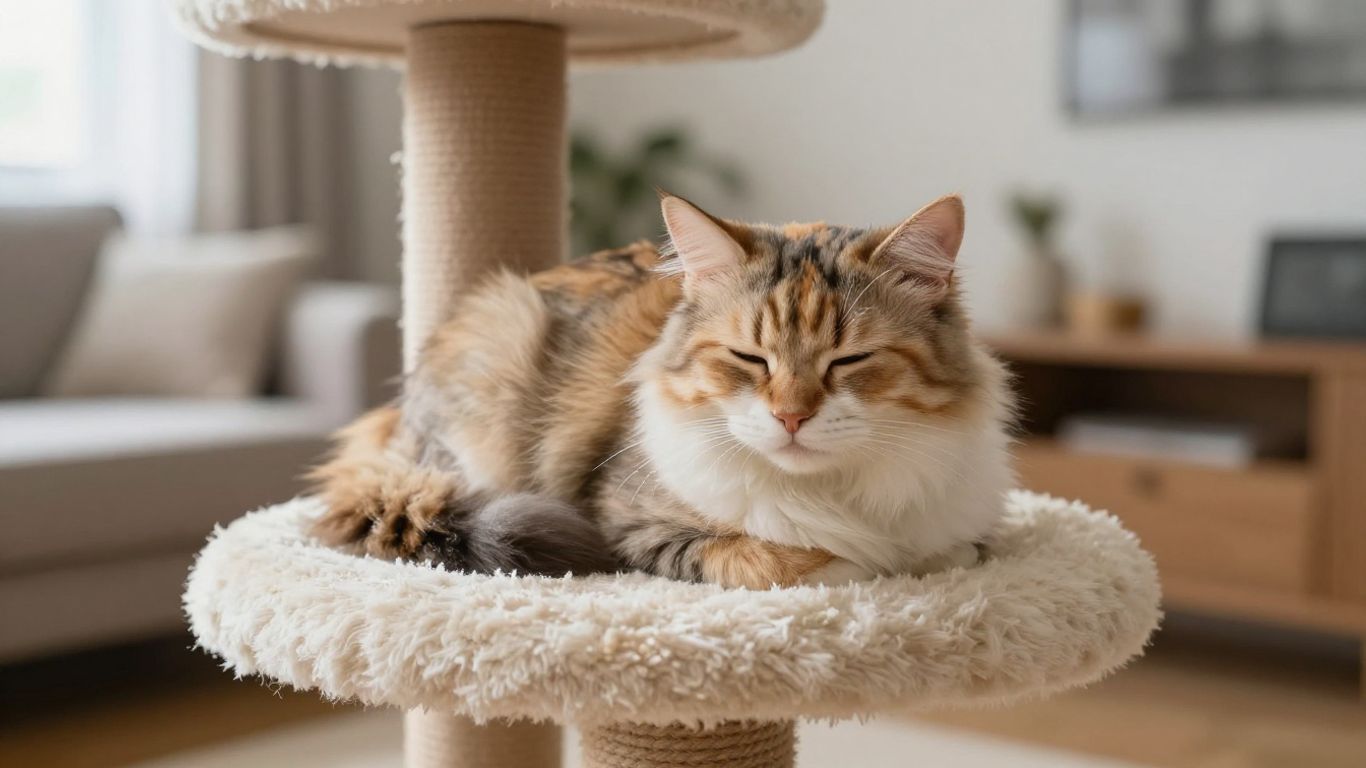
Cats often seek high vantage points to feel secure, so providing vertical territory is a simple way to reduce their anxiety. A tall cat tree or cleared bookshelf allows them to observe their domain from safety, away from foot traffic and potential stressors. When your cat has a dedicated area that they know is exclusively theirs, their instinctual need to monitor their surrounds is satisfied without the burden of constant vigilance.
Managing environmental stressors and noise levels
Loud noises and unpredictable shifts in furniture or household composition can be profoundly taxing for a sensitive feline. To mitigate these impacts, try to identify localized auditory triggers, such as heavy street traffic or loud television, and curate a quieter zone for your pet to retreat to. Providing a consistent acoustic environment helps your cat regulate their sensory input more effectively.
Utilizing sensory enhancements like pheromones
Sensory tools can act as silent support for an uneasy pet, helping them feel as though they belong in their space. Using a PAWSONA® Zenkit™ Cat Calming Diffuser allows you to disperse signals that mirror the natural comforting scents cats use to bond with their environment. These enhancements are effective because they work on an instinctual level, grounding the cat by reinforcing feelings of safety and familiarity throughout the room.
Dietary approaches to supporting feline calmness
Feeding time is a major event in a cat's life and acts as an anchor for their daily biological clock. What and when you feed your cat can significantly influence their internal physiological state. By managing their diet intentionally, you provide a structure that supports emotional resilience across the entire day.
Choosing high-quality nutrition for cognitive health
Nutrition plays a foundational role in managing stress, as a healthy body is better equipped to handle emotional shifts. Selecting high-quality food designed for optimal feline health ensures your cat receives the essential amino acids and nutrients that keep their nervous system functioning smoothly. A balanced diet prevents the physical irritability that can sometimes be mistaken for general anxiety.
Exploring natural supplemental calming aids
When standard nutrition is paired with targeted support, cats often show improved resilience. Natural supplements, such as herbal extracts or amino acid complexes, can help soften the edges of a high-strung personality throughout the day. These gentle interventions are designed to be part of a proactive strategy, helping your cat navigate mild situational stressors before they become full-blown panic loops.
Establishing consistent and predictable mealtime routines
Consistency is the ultimate antidote to feline confusion, and a strict feeding schedule helps your cat feel safe. When they know exactly when a core need will be met by you, their baseline tension drops significantly. Avoid sudden shifts in the type of food or the timing of delivery, as these changes often force your cat to recalculate their safety, which can trigger nervous energy.
Interactive play and physical stimulation
Engaging a cat’s natural hunting instincts is one of the most effective ways to manage nervous energy and ensure they feel satisfied. Without an outlet for their predatory drive, many indoor cats focus that energy inward as anxiety. Structured play turns this focus outward and exhausts them in ways that promote deep, restorative sleep.
Designing play sessions to burn off nervous energy
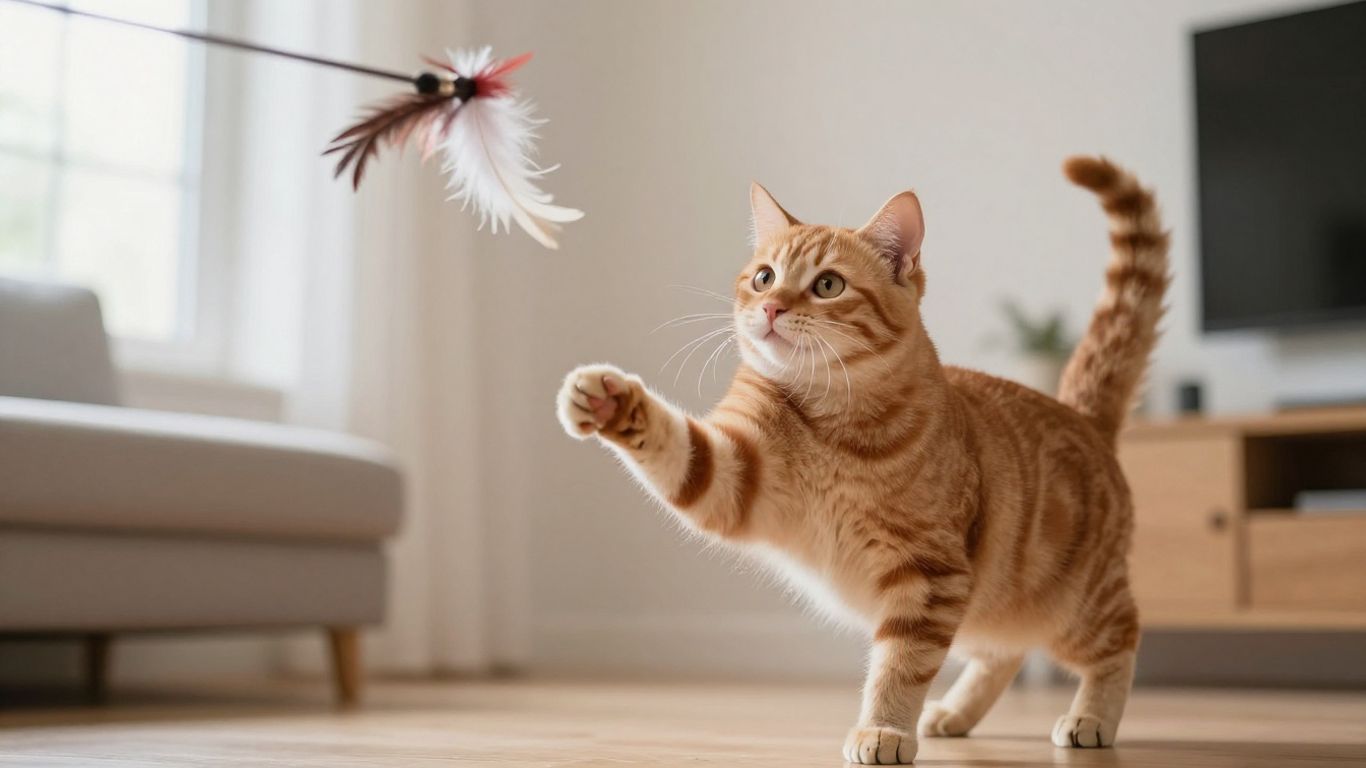
Sessions should ideally be designed to mirror the intensity of a real hunt to keep the experience mentally and physically engaging. Using a wand toy to pace a chase allows you to build excitement and then wind it down gradually. This approach is highly effective because it prevents the cat from ending the session in a state of high arousal or frustration.
Incorporating puzzle toys for mental enrichment
Sometimes, the best way to quiet a stressed mind is to give it a task, and puzzle toys are excellent for this purpose. By hiding treats inside a forage feeder, you encourage your cat to use their problem-solving skills, which provides a sense of accomplishment and focus. This kind of work is quiet, internal, and extremely rewarding for a cat who is prone to overthinking their environment.
The importance of structured predator-prey play cycles
Healthy play follows a specific rhythm that mimics the cat's natural cycles. Establishing this routine ensures your cat consistently releases tension.
Cycle Step |
Purpose |
Outcome |
|---|---|---|
Stalking Phase |
Develops focus |
Builds confidence |
Chasing Phase |
Burns physical energy |
Reduces arousal |
Feeding Phase |
Completes the hunt |
Promotes deep relaxation |
By following this natural trajectory from start to finish, you help your cat transition from alert and anxious to calm and satisfied. It is a powerful method for daily stress reduction.
Managing stressors related to major lifestyle changes
Significant changes to a household environment require patience and preparation to minimize the impact on your feline companion. Whether you are bringing a new companion home or rearranging the living space, your cat's sense of security is easily challenged. Slow, deliberate introductions and consistent routines are the most reliable ways to sustain their comfort during these periods.
Introducing new pets with a slow integration strategy
Integrating a new animal into a household with an established cat must happen on the resident cat's terms. Use scent swapping and gradual visual exposure rather than forced proximity to set the foundation for a trusting relationship. Taking weeks instead of days will often yield a much more peaceful long-term outcome than a rushed introduction.
Providing comfort during household moves or renovations
During a move or major renovation, the displacement of familiar objects is highly distressful for a cat. Keep a small sanctuary zone for them that remains untouched by the chaos, containing their known bedding and scents. Being proactive in this way allows the cat to feel they still have a home base even when the rest of the world around them becomes unpredictable.
Preparing your cat for veterinary visits and travel
Travel and vet trips are common sources of extreme panic for many cats due to the loss of their comfortable home territory. Using a PAWSONA® Calming Collar for Cats during the days leading up to and during the trip can provide a continuous sense of relief. This simple measure effectively dampens the startling reactions that come from being in an unfamiliar, vibrating, or noisy environment like a car or a sterile office.
Working with veterinary professionals
When a cat's anxiety resists your best home improvement efforts, professional intervention becomes necessary. A veterinarian acts as a partner in understanding whether underlying physiological issues are driving behavior. They can provide resources and strategies that go beyond what you can reasonably implement by yourself, ensuring your cat doesn't suffer in silence.
When to seek prescription medication for chronic anxiety
If you find that your cat's stress is impacting their ability to eat, sleep, or maintain a healthy social connection with you, medication might be an essential aid. Prescription options are not a failure of management; they are a bridge that allows a highly anxious cat to regulate their system enough to begin learning new coping skills. Discussing these options early can save your cat months of unnecessary chronic distress.
Coordinating anxiety treatment with professional behaviorists
Collaborating with a certified cat behavior consultant helps you create a structured recovery plan that is tailored to your cat's specific emotional history. These professionals evaluate the household dynamic as a whole, focusing on how your interactions, space, and management techniques work together to either soothe or stress your pet. They help you pinpoint which tiny details in your cat's life need shifting for the best results.
Tracking progress through detailed behavioral journals
Keeping a log of incidents, such as when your cat hides or how often they vocalize, helps your veterinary team identify patterns that you might miss. This data is invaluable because it removes guess-work, providing clinical markers for how your cat is responding to their treatment. Consistent tracking transforms vague worry into a measurable, solvable problem that you can navigate with your professional support team.
Conclusion
Helping your cat overcome stress is a rewarding journey that requires empathy, consistency, and a willingness to see the world from their perspective. By addressing their environmental, physical, and behavioral needs with intention, you create a space where they feel secure enough to thrive. While patience is required, the bond you strengthen through this compassionate approach is well worth the effort, leading to a long, peaceful, and joyful life for your feline companion.
Frequently Asked Questions
Why does my cat suddenly feel stressed by changes in the house?
Cats are highly territorial and rely on familiar scent markers and steady environmental layouts to feel secure.
Can my cat pick up on my own stress levels?
Yes, cats are known to react to their owner's anxiety through pheromonal changes and altered interaction patterns, often mirroring the tension they sense in the home.
How long does it take for a cat to adjust to a new environment?
Adjustment periods vary, but most cats begin to feel significantly more confident within two to four weeks if they are provided with safe retreats and consistent daily routines.
Is it normal for my cat to hide when guests visit?
Many cats feel safer observing from a distance or hiding entirely when strangers are in the home, as this is a natural defensive behavior, not necessarily a sign of pathological anxiety.
Can puzzle toys actually reduce severe anxiety?
While puzzle toys are better suited for mild cases of boredom or restlessness, they can be part of a larger plan to help redirect a cat's energy from anxious fixation to cognitive problem-solving.
What if my cat refuses to interact with their new safe space?
It can take time for a cat to build a positive association with a new location, so try placing favorites like their bed or a scent-saturated blanket inside to entice them before expecting them to use it independently.
How can I tell if my cat is just bored or actually suffering from anxiety?
Anxiety is typically marked by a sustained, defensive response that manifests as hiding, elimination issues, or self-harm, whereas boredom usually appears as destructive play or attention-seeking behaviors that stop when the cat is actively engaged.