


Key Takeaways
Good cat behavior products support a broader plan rather than replacing observation, environmental changes, or veterinary care. The safest choice is one that matches the trigger, has clear instructions, and can be assessed over time.
- Start by identifying what is driving the behavior.
- Prioritize enrichment, predictable routines, and safe spaces.
- Treat pheromones and calming aids as supportive tools, not magic fixes.
- Check ingredients, materials, labels, and usage directions before buying.
- Seek veterinary help when behavior changes are sudden, severe, or persistent.
Understanding the science behind cat behavior products
Cat behavior is shaped by instincts, learning, health, and the home environment. A cat that scratches the sofa, hides from visitors, or urinates outside the litter box may be responding to an unmet need or a stressful change. Products can help, but their value depends on whether they fit the reason behind the behavior. A useful starting point is this guide to cat behavior and welfare, which places everyday actions in a wider welfare context.
How enrichment supports natural feline behaviors
Enrichment gives cats appropriate ways to stalk, climb, scratch, explore, rest, and control their distance from people. Food puzzles, rotating toys, sturdy scratching surfaces, window perches, and elevated resting places can make an indoor routine more varied. Play research also treats play as a meaningful part of feline welfare, not merely entertainment; this research on domestic cat play offers useful background.
The best setup is usually varied but not overwhelming. Offer a few options, observe which ones your cat chooses, and change them gradually rather than filling every corner with equipment.
What evidence says about pheromones and calming products
Pheromone products are intended to provide familiar chemical signals that may help some cats feel more secure. Results can differ because stressors differ: a diffuser may be useful during a household change, while a spray may suit a carrier or a particular area. The product should support a calm environment, not conceal pain, illness, or an unsafe relationship between animals.
For owners researching the category, this cat calming spray guide explains why sprays are best viewed as one part of a wider behavior plan. PAWSONA Pheromone Spray for Cats is described as using natural “happy markers” that only cats can detect and as helping with stress, anxiety, and fears; it is not intended for overt aggression or medical conditions.
The role of nutrition, supplements, and veterinary care
Food, water, sleep, and physical health all influence behavior. A cat that stops eating, becomes unusually vocal, or avoids the litter box may need a medical assessment before any calming product is tried. Supplements also deserve careful scrutiny, especially when a cat has a chronic condition or takes medication.
A balanced diet should be selected for the cat’s life stage and health needs, rather than a calming promise on the front of a packet. This cat nutrition guide is a practical companion when comparing food choices, while a veterinarian can advise on therapeutic diets and individual risks.
Why product quality matters more than marketing claims
A polished label does not establish that a product is effective or suitable for every cat. Look for a clearly identified manufacturer, complete directions, realistic claims, and a way to contact the seller. Clear product information matters because it lets you use the item consistently and notice when it is not helping.
Be cautious with claims that promise instant obedience, guaranteed silence, or a complete cure for aggression. A behavior product should fit into humane handling, environmental management, and professional care when needed.
Choosing products for common cat behavior problems
The right purchase depends on the problem you can describe, not the broadest promise on a product page. Scratching, hiding, litter box avoidance, boredom, and inter-cat conflict have different triggers and therefore need different combinations of support. Begin with the least intrusive change that makes the desired behavior easier. This cat anxiety guide for Malaysia can also help owners distinguish subtle stress signals from ordinary preferences.
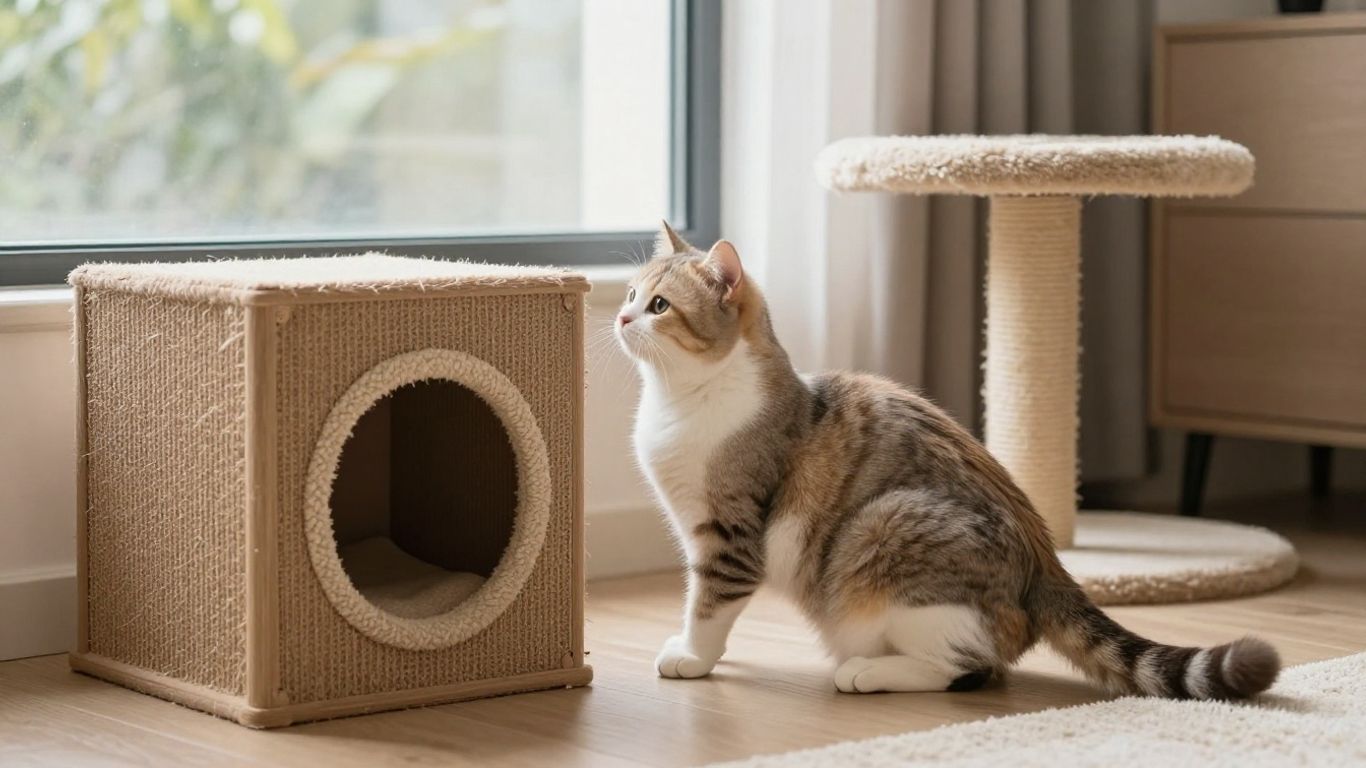
Solutions for scratching and furniture damage
Scratching is normal marking, stretching, and claw maintenance. Put stable posts or boards near the furniture being targeted, choose surfaces your cat already seems to prefer, and reward use without punishing the unwanted location. A repellent may help protect a specific area, but it should not remove every acceptable scratching option.
If a cat suddenly scratches much more than usual, consider changes in the home, conflict, or discomfort. Redirecting the behavior is more sustainable than trying to suppress it.
Tools for reducing stress and hiding
Hiding is often a sensible coping behavior, particularly after adoption, a move, loud visitors, or a frightening event. Provide a covered bed or box in a quiet place, keep food and water accessible, and avoid dragging the cat out. A diffuser or spray may complement this setup when the trigger is environmental.
PAWSONA Zenkit Calming Diffuser Refill is described as using natural feline pheromones to reduce stress, anxiety, and aggressive behavior, with coverage for a 700 sq ft area for up to 30 days. Those specifications should be checked against the current label before purchase, and the cat’s hiding pattern should still be monitored.
Products that support litter box success
Litter box problems warrant patience and a health-first approach. Keep boxes clean, provide enough boxes in quiet locations, and consider whether a new litter, cramped placement, or another cat is creating pressure. Urine marking and inappropriate elimination are not simply acts of spite.
A behavior product can support a calmer setting, but it cannot diagnose urinary pain, constipation, kidney disease, or other medical causes. A sudden change, straining, blood, or repeated accidents deserves prompt veterinary attention.
Options for play, exercise, and boredom prevention
Indoor cats need opportunities to move and make choices. Short interactive play sessions, toy rotation, climbing routes, and food-based activities are often more useful than leaving a large pile of toys untouched. Match the pace to the individual cat and stop before frustration builds.
A simple weekly rotation can include:
- A wand toy for brief chase-and-catch play.
- A puzzle feeder or scattered meal for food seeking.
- A scratching surface placed beside a favored resting area.
- A perch or shelf that adds vertical choice.
After each change, observe whether your cat engages, rests more easily, or becomes overstimulated. The goal is a richer routine, not constant activity.
Managing conflict between cats in the same home
Fighting can arise from competition, territory, redirected arousal, pain, or a rushed introduction. Separate cats safely, ensure each has access to essentials, and reintroduce them gradually through scent exchange and positive associations. Never put your hands between animals that are actively fighting.
A calming aid may be useful around household tension, but it cannot replace separation and a structured reintroduction. Persistent attacks, injuries, or sudden conflict should involve a veterinarian or qualified behavior professional.
Evaluating product safety and effectiveness
Safety is more than whether a product is marketed as natural. Cats groom themselves, have sensitive respiratory systems, and may react differently to scents, surfaces, or ingestible ingredients. Read the label before opening the package and keep the receipt, batch details, and instructions. A cautious trial is easier to evaluate than several new products introduced at once.
Ingredients and materials to check before buying
Check whether the item is intended for cats, how it should be applied, and whether it must be kept away from food, eyes, damaged skin, children, or other animals. For sprays and diffusers, follow placement and ventilation instructions. For supplements, note active ingredients, serving guidance, storage, and possible interactions.
Do not assume that an essential oil, strong fragrance, or concentrated botanical is harmless because it is plant-derived. When the label is incomplete or the seller cannot answer basic questions, choose a different source or ask a veterinarian.
Warning signs of exaggerated product claims
Claims deserve more trust when they explain the mechanism, intended use, limits, and evidence. Be wary of universal promises, pressure to buy a large bundle immediately, or testimonials presented as proof that every cat will respond. A single customer story can be encouraging, but it is not a guarantee.
For perspective, even a general pet wellness market report describes demand and trends rather than proving that any individual product changes behavior. That distinction helps keep purchasing decisions grounded.
When a product may worsen stress or frustration
A new smell, noisy device, unstable scratcher, or poorly placed feeder can make a cat avoid an area rather than feel safer. Stop if your cat shows escalating hiding, agitation, panting, repeated licking, appetite loss, or avoidance of food, water, or the litter box. Never spray a frightened cat directly unless the label specifically directs that use.
The product should make the environment easier to navigate. If it adds another unpredictable sensation, remove it and return to familiar resources while you reassess the trigger.
How to monitor changes in behavior objectively
Choose one or two measures before starting: number of litter box accidents, minutes spent hiding, scratching locations, fights per week, appetite, or willingness to play. Record the date, trigger, product use, and result. This prevents a memorable good day from outweighing a longer pattern.
| Behavior marker | What to record | Useful comparison |
|---|---|---|
| Hiding | Episodes and duration | Same time of day each week |
| Scratching | Locations and frequency | Furniture versus approved surfaces |
| Litter box use | Successful uses and accidents | Before and after environmental changes |
| Cat conflict | Incidents and intensity | Supervised interactions over time |
A simple record also helps a veterinarian see what changed and when. If there is no meaningful improvement after a reasonable trial, the answer may be a different environmental intervention rather than a stronger product.
When to consult a veterinarian or behaviorist
Professional advice is appropriate for pain signs, appetite loss, sudden aggression, repeated elimination problems, self-injury, or behavior that is worsening. A veterinarian can investigate medical contributors, while a qualified behaviorist can help design a safer household plan. Medication may sometimes be part of humane care, but that decision belongs with the veterinary team.
Finding science-backed cat behavior products in Malaysia
Malaysia’s online shopping options make comparison convenient, but convenience can hide differences in storage, authenticity, instructions, and after-sales support. Compare the actual product, seller, shipping conditions, and return policy rather than relying only on a rating. A local veterinary clinic may also help when behavior and health overlap.
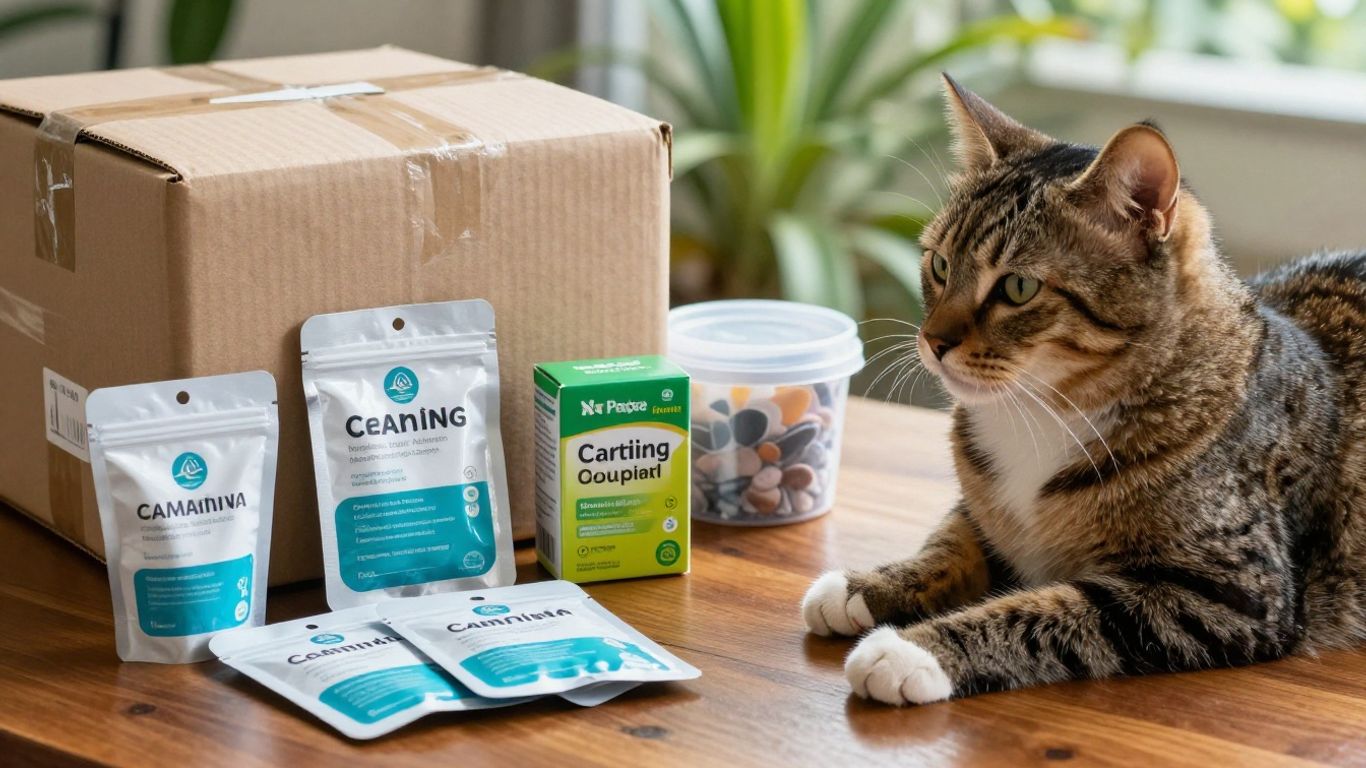
Comparing online marketplaces, pet shops, and veterinary clinics
Online shops offer breadth and home delivery, while pet shops let you inspect packaging and ask practical questions. Veterinary clinics are particularly useful when a behavior change may be medical or when a supplement needs individual review. Whichever route you use, the seller should provide a complete label and clear instructions.
Keep unrelated buying advice separate from pet-care evidence: a hotel booking alternative, a project time-lapse camera, Holman Moving, an ART treatment review, and SEO agency pricing address different decisions entirely. They are reminders that a neat landing page alone does not establish product suitability.
Checking Malaysian availability, shipping, and storage requirements
Heat and humidity can affect packaging, sprays, supplements, and food. Confirm whether the item is in stock locally, how it will be packed, its expiry date, and whether it needs cool or dry storage. Do not use a leaking, swollen, unusually discolored, or foul-smelling product.
For travel or temporary stress, portability matters, but a smaller format should still carry complete directions. This cat travel guide discusses preparation for journeys and situations in which calming support may be considered.
Understanding local prices and long-term costs
Compare cost per day or per usable period rather than the price of one bottle. Include replacement frequency, delivery fees, additional litter boxes, enrichment, veterinary visits, and the possibility that the first choice will not suit your cat. The cheapest item is not necessarily economical if it is abandoned after one uncomfortable trial.
A modest environmental change can sometimes outperform repeated purchases. Budget for essentials first: health care, clean litter, food, safe separation, and reliable enrichment.
Verifying labels, manufacturer information, and usage instructions
Before buying, confirm the product name, intended species, ingredients or active mechanism, volume, batch or expiry information, manufacturer or importer details, and directions. Save a photograph of the label in case you need to ask a professional about a reaction. Never rely on a translated sales caption when the original instructions are missing.
The same care applies to branded calming aids. PAWSONA Anti On-Heat Spray is described as a natural, gender-neutral formula intended to calm restlessness, reduce excessive meowing, and prevent spraying; use it only as directed and distinguish heat-related behavior from illness or broader stress.
Matching products to Malaysia’s home environments
A product that suits one home may be awkward or ineffective in another. High-rise apartments, compact rooms, warm weather, storms, renovations, and multi-pet households each alter the cat’s options. Think in terms of access, escape routes, ventilation, and predictable resources before adding a new aid.
Enrichment for apartments and high-rise living
Apartments can work well for cats when vertical space and daily choice are planned deliberately. Window perches, shelves, climbing furniture, sturdy scratchers, and play sessions expand the usable territory without requiring a larger floor plan. Secure screens and balconies carefully; enrichment is not useful if it creates a fall risk.
Rotate activities so the home remains interesting without becoming cluttered. A cat’s ability to retreat from visitors and household noise is as valuable as its ability to play.
Managing heat, humidity, and indoor ventilation
Warm, humid weather makes hydration, shade, airflow, and clean resting surfaces especially relevant. Offer fresh water in more than one location, provide cool resting choices, and watch for lethargy, rapid breathing, weakness, or other heat-related warning signs. A calming product should never be used to explain away possible overheating.
This hot-weather cat care guide covers practical measures such as ventilation, hydration, and cool resting areas. Store products according to their labels and avoid placing electrical diffusers where moisture or blocked airflow could create a hazard.
Creating safe spaces in small homes
A safe space does not have to be a separate room. A covered carrier left open, a box under a table, or a high shelf can give a cat distance from people and other pets. Keep the space predictable, avoid reaching in repeatedly, and place essentials so the cat does not have to cross a contested area.
Use more than one refuge when possible. A single hiding spot can become a trap if another cat, child, or dog controls the route in and out.
Supporting indoor cats during storms, renovations, and travel
Noise, unfamiliar workers, dust, and changed furniture can unsettle even confident cats. Prepare a quiet room or protected area before the event, preserve familiar bedding, and keep doors and windows secure. During travel, use a safe carrier and introduce it gradually rather than presenting it for the first time on departure day.
A spray or diffuser may be considered as supporting preparation, but it should be tested before a major event. The cat stress relief guide offers a broader framework for triggers, safe spaces, diet, and professional support.
Adapting products for multi-pet households
In a multi-cat home, distribute resources rather than making every animal share one feeding station, litter area, or resting place. Watch for silent blocking, staring, chasing, and avoidance; conflict is not always loud. Introduce products in a location that the relevant cats can access without competing.
If tension includes attacks or injuries, prioritize separation and professional guidance. A calming aid can support the setting, but it cannot make an unsafe interaction safe by itself.
Building an evidence-based behavior improvement plan
A plan is more reliable when it starts with a question: what changed, what happens immediately before the behavior, and what does the cat gain or avoid? From there, choose one or two interventions, introduce them carefully, and track the result. This approach costs less confusion than changing food, litter, furniture, and calming products all at once.
Identifying the trigger behind the behavior
Write down the time, location, people or animals present, preceding event, and what happened afterward. Look for patterns involving visitors, traffic noise, feeding, toileting, heat, conflict, travel, or physical handling. A video recorded from a safe distance can reveal details that are easy to miss in the moment.
Avoid labelling the cat as stubborn or spiteful. The behavior is information, even when it is inconvenient.
Combining products with environmental changes
Products work best when the environment removes the pressure they are meant to support. That may mean adding litter boxes, separating feeding areas, blocking a view of a threatening outdoor cat, increasing play, or giving a newly adopted cat more control over contact. The product is one part of the intervention, not the entire intervention.
A veterinary assessment should come first when behavior is sudden or accompanied by physical symptoms. Environmental improvements remain useful, but they should not delay necessary care.
Introducing new products gradually
Follow the label and introduce one new variable at a time when practical. Give the cat a choice to approach or leave, and avoid applying a product directly to the animal unless the instructions clearly permit it. For devices, place them where the cat spends time without obstructing food, water, litter, or escape routes.
Allow enough time to observe a pattern, while stopping sooner if the cat appears distressed. Gradual introduction protects both welfare and the quality of your observations.
Measuring progress with practical behavior markers
Choose a baseline and review it at set intervals. You might track hiding duration, appetite, scratching location, litter box use, grooming, play, or the number and severity of conflicts. Improvement can be subtle: a cat may recover faster after a noise even if it still hides briefly.
Record neutral observations rather than conclusions. “Left hiding place after five minutes” is more useful than “seemed happier.”
Knowing when to stop, adjust, or replace a product
Stop and reassess if the product causes avoidance, respiratory discomfort, appetite changes, agitation, or no improvement alongside worsening behavior. Check whether the product was placed or used correctly, whether the original trigger remains, and whether a medical issue has emerged. Do not stack several calming products simply because the first trial was inconclusive.
A veterinarian or behaviorist can help decide whether to change the environment, investigate health, or try a different type of support. The best outcome is a safer, more predictable life for the cat, not loyalty to any particular product.
Conclusion
Science backed cat behavior products malaysia are most useful when they are chosen with curiosity, used according to their labels, and paired with enrichment, health care, and thoughtful environmental changes. Observe the cat in front of you, make one careful adjustment at a time, and seek professional help when the pattern is serious or unclear.
Frequently Asked Questions
Are cat behavior products a replacement for veterinary care?
No. A sudden or severe behavior change can indicate pain or illness, so veterinary assessment should come first when physical symptoms, appetite changes, injury, or persistent elimination problems are present.
Do pheromone products work for every cat?
No product works identically for every cat. Response depends on the trigger, the environment, correct use, and whether the product is combined with changes that reduce the source of stress.
What is the safest first step for a stressed cat?
Provide quiet access to food, water, litter, rest, and a hiding place while reducing the immediate trigger. Observe closely and contact a veterinarian if the cat is unwell or does not recover.
How long should I try a calming product?
Follow the product directions and set a clear observation period before starting. Stop earlier if the cat shows distress or adverse effects, and reassess rather than automatically extending or combining products.
Can enrichment stop furniture scratching?
It can redirect scratching when suitable surfaces are stable, accessible, and placed near preferred locations. Scratching should not be punished, since it is a normal feline behavior.
What should I do if cats in my home are fighting?
Separate them safely, check for injuries, distribute essential resources, and plan a gradual reintroduction. Repeated attacks or sudden conflict warrant veterinary and behavior support.
How can I tell whether a product is worth buying?
Look for clear species-specific instructions, complete manufacturer information, realistic claims, appropriate storage guidance, and a use case that matches your cat’s trigger. Track the result objectively instead of relying only on testimonials.