


Key Takeaways
Good cat pictures come from noticing what your cat is already doing, then giving the moment a little room to breathe.
- Photograph familiar, comfortable moments rather than forcing a pose.
- Use soft light, focus on the eyes, and keep your camera steady.
- Try different angles and leave space around the subject.
- Edit gently so your cat’s coat and markings still look true to life.
- Check usage rights and credit photographers when sharing images.
What makes a cat picture memorable
A memorable cat picture doesn’t need a complicated setup or a perfectly posed cat. Often, it’s a small detail—a sleepy blink, a crooked whisker, or the way your cat claims one particular corner of the couch. Look for the moments that feel specific to your cat, and let the image hold onto that feeling.
Look for expressive faces and natural moments
A slow blink, a curious tilt of the head, or a sudden look toward a sound can carry more feeling than a stare straight into the lens. Keep your camera nearby during ordinary routines, but give your cat time to forget it’s there. The best expression may happen just after you think the moment has passed.
Use details to show your cat’s personality
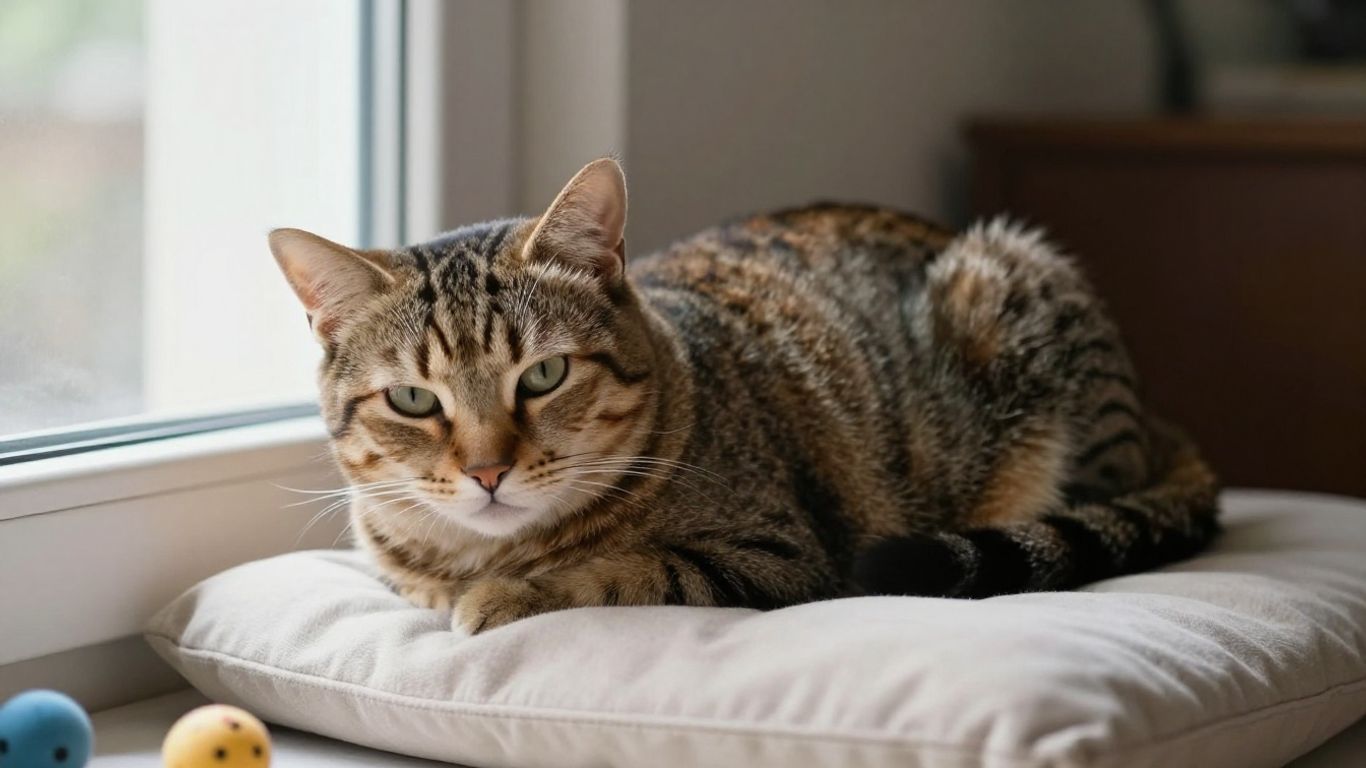
A paw tucked under the body, a favorite toy dragged into the room, or a familiar spot by the window can make a portrait feel personal. These details help tell a little story without staging one. If you’re photographing something unusual on your cat’s skin, remember a picture alone can’t identify its cause; a guide to flea and mosquito bites covers how those bites differ.
Keep the background from distracting from the subject
Before taking the shot, glance around the edges of the frame. A bright lamp, a pile of laundry, or a busy pattern can compete with a cat’s face, while a plain wall or softly blurred room gives the subject space. A small change in your position can tidy the scene without moving your cat.
How to prepare for a photo session
A little preparation can make taking pictures feel like part of a normal day, rather than an event your cat has to endure. Set up the room first, then let your cat decide whether to join in. Familiar routines and a low-pressure approach usually make it easier to catch a relaxed expression.
Choose a comfortable, familiar setting
Pick a place your cat already uses for resting or watching the room. Keep the route to a favorite bed or perch open, and avoid crowding the cat with people or equipment. If your cat is unsettled after a move, this pet relocation guide covers travel and settling-in considerations; for a photo, begin in whichever familiar space is available.
For cats dealing with ongoing stress, PAWSONA offers pheromone diffuser kits as part of its range of calming products. A photo session isn’t a substitute for addressing the reasons behind distress, and a diffuser shouldn’t be treated as a way to make a cat pose. Keep the session optional and let comfort come first.
Have treats and toys ready
A small treat or a toy can give your cat something pleasant to focus on, but use them lightly. Try a quiet sound or a gentle movement beside the camera rather than waving a toy directly in your cat’s face. Some cats prefer to watch from a distance, and that can make a lovely picture too.
A few simple items can help you stay ready without turning the room into a set:
- Keep a favorite toy within easy reach.
- Set treats nearby, but offer them at your cat’s pace.
- Clear a comfortable perch or resting spot.
- Have your phone or camera ready before inviting attention.
When a cat is already tense, adding more stimulation may not help. PAWSONA offers calming sprays among its products for supporting cats experiencing stress, but a spray is not a photography aid or a reason to push for a session. Follow the product directions and keep your cat’s comfort ahead of the shot.
Follow your cat’s mood and take breaks
A relaxed cat may stay curious for several minutes, then simply wander off. Let that be the end of the session. Ears held back, a low crouch, repeated attempts to leave, or a twitching tail can be signs to pause and give the cat space.
Some cats experience stress around handling or changes to their routine, and PAWSONA also offers calming collars as part of its range of calming products. They are not a shortcut to a photo-ready mood. If stress is persistent or concerning, focus on understanding its cause and consider speaking with a veterinarian rather than trying to continue the session.
How to capture sharp, well-lit photos
Clear pictures are often less about special equipment and more about the light and timing. Cats move quickly, especially when they hear a toy or spot something outside. A few simple adjustments can help you catch a sharp image without interrupting the moment.
Use window light or soft outdoor shade
Soft daylight from a window can show detail in your cat’s coat without the hard shadows that direct sun may create. Outdoors, choose open shade instead of bright midday sun. If a photo looks too dark, move closer to the light source before reaching for a strong flash.
Focus on the eyes and hold your camera steady
The eyes often anchor a portrait, so tap to focus on them if your camera allows it. Hold the phone or camera with both hands, brace your elbows, and take a breath before pressing the shutter. The best quick check is to look at the picture right away: if the eyes are blurred, try again with steadier hands or more light.
Different lighting conditions call for slightly different choices. This quick guide can help you decide what to adjust first.
| Situation | First adjustment | What to watch for |
|---|---|---|
| Bright window light | Turn off harsh indoor lights | Bright patches on the coat |
| Dim room | Move nearer to a window | Blurring from movement |
| Outdoor sun | Find open shade | Deep shadows across the face |
| Moving cat | Brace your hands | Focus on the eyes |
After taking a picture, check whether the face is clear and the light feels even. If not, change one thing at a time: move nearer the window, steady the camera, or wait for the cat to settle. A simple adjustment is often enough.
Try burst mode to catch quick movements
Burst mode can capture several frames while your cat turns, stretches, or bats at a toy. It’s especially useful for brief gestures that are hard to predict. Take a short burst, then choose the frame that feels natural; keeping every nearly identical image can make the good one harder to find.
How to compose more engaging cat pictures
Composition is simply where you place the cat and what you allow into the frame. A slight shift in your viewpoint can make an everyday scene feel more intimate or give a curious glance somewhere to travel. Experiment, but don’t worry about making every photo look polished.
Get down to your cat’s eye level
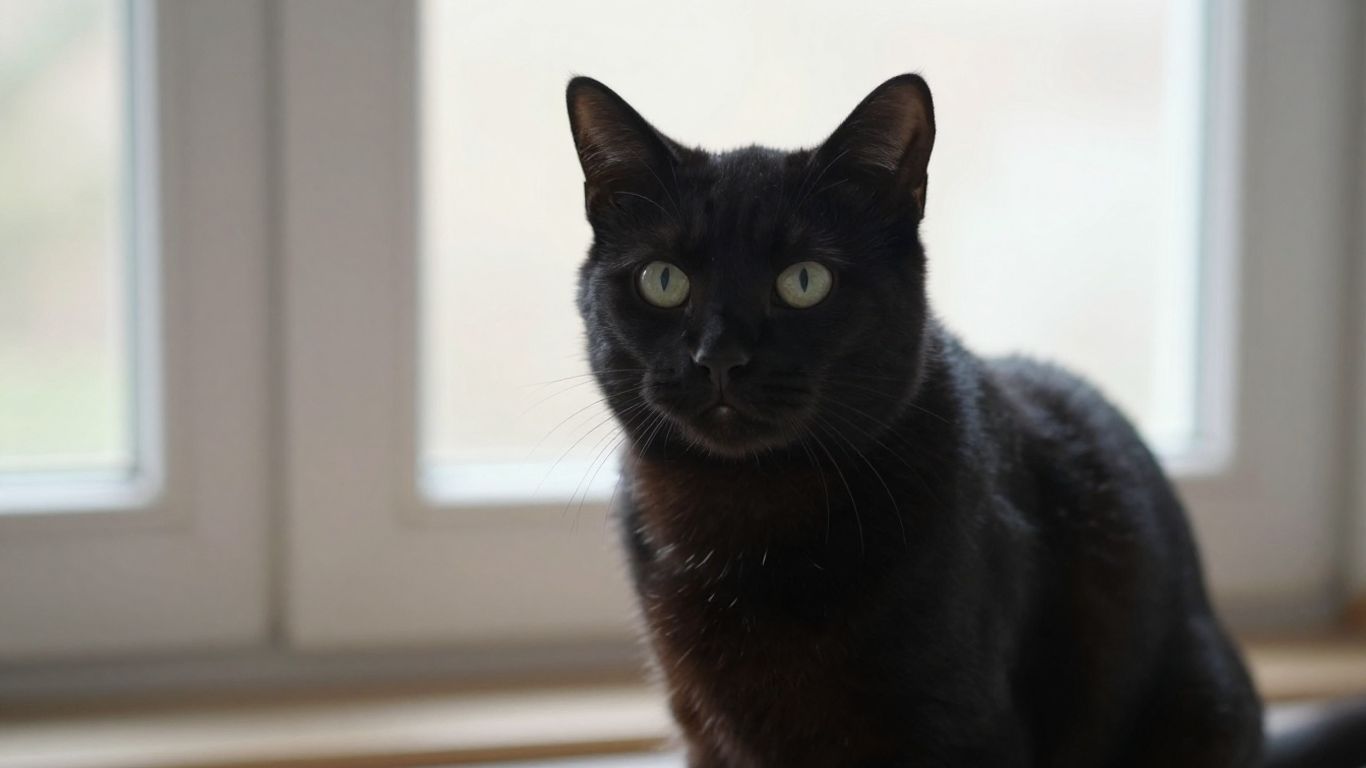
Photographing from floor level can make a cat feel present in the scene instead of small beneath the camera. You may notice details that disappear from above, like the curve of a paw or a watchful look across the room. Move slowly and keep enough distance that your cat remains comfortable.
Leave space in the direction your cat is looking
When your cat looks toward the edge of the frame, leave some open space in that direction. It gives the image a sense of pause, as though there might be something just beyond the picture. A centered portrait can work beautifully too; the goal is to make the framing feel intentional.
Experiment with close-ups and wider scenes
Close-ups bring out whiskers, markings, and tiny changes in expression. Wider pictures show where your cat likes to sleep or how they fit into the rhythms of home. If you’re choosing a picture for a post or a print, this cat picture guide offers more ideas for matching an image to its purpose.
How to edit cat pictures naturally
Editing can help a good photo feel finished, but it doesn’t need to transform the scene. Start with small adjustments and stop when the picture still looks like the moment you remember. Keep the edits restrained so your cat remains the focus, not the filter.
Crop to strengthen the composition
A closer crop can remove empty space or an object that pulls attention away from your cat. Keep an ear, whisker, or paw from being cut off by accident, and leave breathing room around the face. If the cat is looking to one side, preserve some of the space in that direction.
Adjust brightness, contrast, and color gently
A modest brightness change can bring out a face that was a little dim, while a slight contrast adjustment can make details easier to see. Check color on the whole image, not just the fur: if the room starts looking unusually orange or blue, ease the adjustment back. Small changes tend to age better than dramatic ones.
Keep fur texture and markings true to life
Avoid smoothing away the fine texture of the coat or changing the pattern of your cat’s markings. Those details are part of what makes the picture recognizable. A natural edit should make the photograph easier to see, not make the cat look like a different animal.
How to find and share cat pictures responsibly
Finding a lovely image is easy; knowing whether you can reuse it takes a little more care. Start with reputable collections and read the terms attached to the specific picture you want. If you share a photo of your own cat, add enough context for people to enjoy it without exposing private details you’d rather keep offline.
Search reputable photo libraries and collections
For inspiration or a picture to use, look at established libraries and curated collections, then check the information provided for each image. The Library of Congress cat collection includes cat photos, posters, and illustrations described as free to use and reuse. You can also browse a collection of historic cat photographs for examples of how a single expressive moment can hold attention.
Check usage rights before downloading or reposting
An image appearing in search results doesn’t mean it is free to repost. Read the license or collection terms, check whether attribution is required, and confirm that your intended use is covered. If the terms aren’t clear, choose another image or ask the photographer for permission.
Add context and credit the photographer when required
A short caption can tell viewers what’s happening in the photo or why the moment matters to you. Credit the photographer in the format requested by the license, and don’t remove a watermark or crop out identifying information. If you’re spending more time scrolling than sharing, screen habit strategies address a separate question about changing digital routines.
A photo also can’t tell the whole story of a cat’s health or care. For example, a macro calculator is a tool for human nutrition targets, not a way to assess a cat’s appearance from an image. And if holiday plans are adding pressure for you, this holiday stress guide covers that human side of the season.
Conclusion
The best cat pictures usually come from patience, soft light, and attention to the small things that make your cat themselves. Keep the session comfortable, make only the edits the image needs, and share other people’s work with care. A relaxed moment, honestly captured, is more than enough.
Frequently Asked Questions
How do I get my cat to look at the camera?
Try a quiet sound or a toy just beside the camera, then wait. Some of the most engaging pictures happen when a cat looks away or returns to a familiar activity.
What is the best time of day to take cat pictures?
Any time with soft, usable light can work. Near a bright window during the day is a convenient place to start, while open shade can help outdoors.
How can I take pictures of a moving cat?
Use burst mode if your camera has it, keep your hands steady, and take several short sequences rather than one long session. More light can also help reduce blur.
Should I use flash when photographing my cat?
Natural, soft light is usually a comfortable first choice. If you do use a flash, watch your cat’s response and stop if they seem uneasy.
How do I make a cat picture look sharper?
Focus on the eyes, hold the camera with both hands, and check the image after taking it. If it looks blurred, try more light or wait for a still moment.
Can I repost a cat picture I found online?
Only if the image’s usage terms allow your intended use or you have permission from the rights holder. Follow any attribution requirements that apply.
What makes a cat picture feel personal?
A familiar expression, favorite resting spot, or small detail such as a paw tucked under the body can make a picture feel unmistakably like your cat.