


Key Takeaways
A good cat hotel is one that matches your cat’s needs and makes its care routines clear. A little preparation—and a careful visit—can help you make a calmer choice.
- Tour the space and ask how staff handle cleaning, security, and emergencies.
- Compare room features and daily routines, not just the nightly rate.
- Check how the hotel approaches feeding, medication, health requirements, and updates.
- Pack familiar items and share your cat’s habits and any special needs.
- Reserve early, then confirm the dates, policies, and care instructions in writing.
What a cat hotel offers
A cat hotel provides a place for your cat to stay while you’re away, with staff responsible for daily care. The setting and services can vary widely: some facilities focus on quiet private rooms, while others offer shared enrichment areas or optional add-ons. The right fit depends on your cat’s temperament, health, and usual routine. Before booking, learn what a typical day looks like, not just what the room looks like.
How cat hotels differ from in-home pet sitting
A hotel brings your cat to a staffed facility, where the environment, schedule, and available services are set by the provider. In-home sitting keeps your cat in familiar surroundings, but the sitter’s visit frequency and duties need to be agreed in advance. Think about how your cat handles change: some settle into a predictable new space, while others are more comfortable staying home. For more context on planning around a trip, see this guide to cat travel preparation.
Common room and suite options
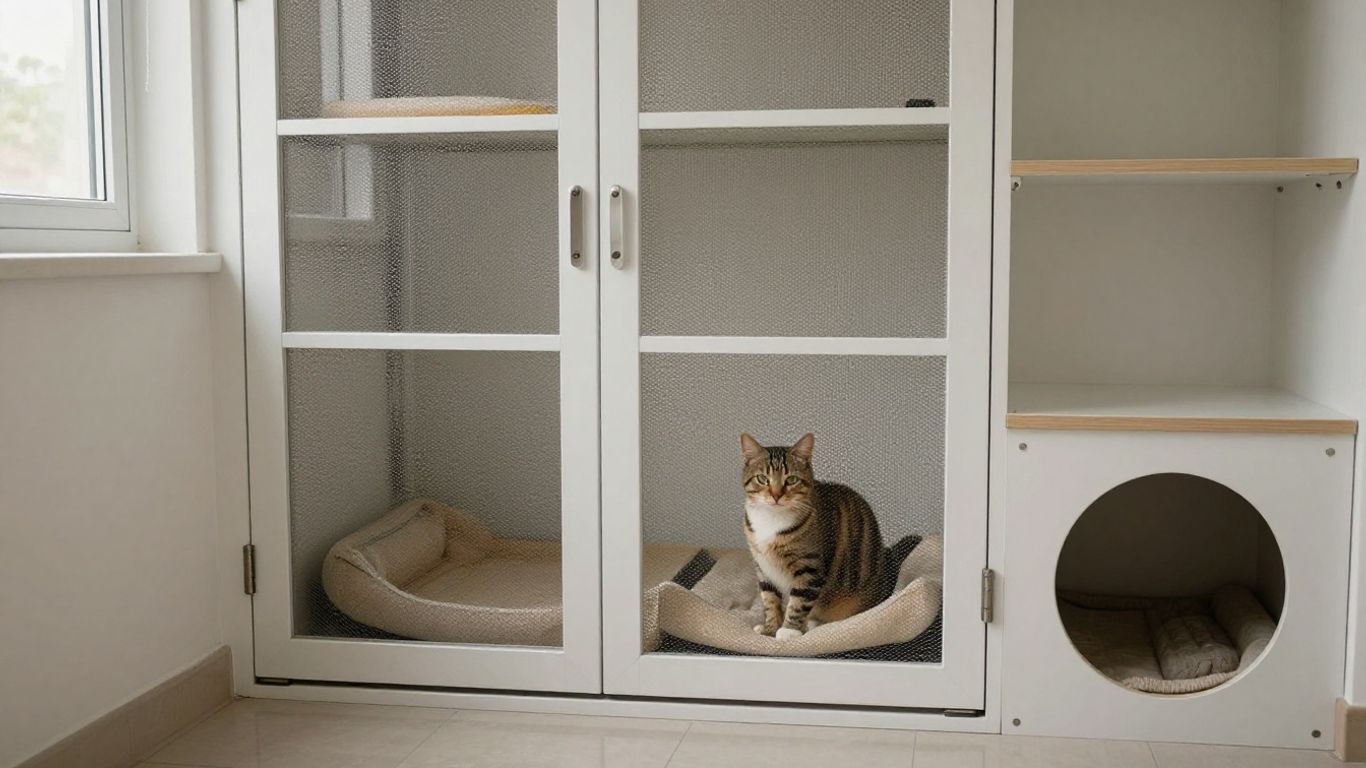
Accommodations may range from simple private rooms to larger suites with additional perches, hiding spots, or room to move around. Names like “suite” are not standardized, so ask what the space actually includes and whether cats from different households ever share an area. This quick comparison can help you focus your questions during a tour:
| Accommodation feature | What to ask | Why it may matter |
|---|---|---|
| Private room | Is it fully enclosed and separate from other cats? | Offers a defined space for rest and routine. |
| Perches or shelves | Can your cat reach them safely? | Adds options for resting off the floor. |
| Hiding place | Is there a covered bed or retreat? | Gives a shy cat somewhere to withdraw. |
| Shared play area | Is access supervised and optional? | Helps you understand how group activity is managed. |
The labels matter less than the details. If your cat prefers quiet and tends to hide, a smaller room with a secure retreat may suit them better than a larger, busier space.
Services that may be included or cost extra
Basic lodging may include meals served from food you provide, litter-box care, and routine checks, but confirm each item rather than assuming it is covered. Play sessions, grooming, special handling, or extra updates may be priced separately or unavailable. Ask for the service list in writing so you can compare like with like. The total can depend as much on your cat’s care needs as on the room category.
How to evaluate safety and cleanliness
A welcoming lobby is a nice first impression, but a safe stay depends on practices you may not see at a glance. Ask to tour the areas where cats stay and to hear how staff handle routine care and unexpected situations. Make sure you understand the facility’s requirements, supervision, and emergency plan before leaving your cat there. A careful review of the whole property—not only the room—can also inform other major decisions, such as buying Miami luxury condos.
Check licensing, insurance, and staff training
Ask what licenses or permits apply to the facility in your area, whether it carries insurance, and what training staff receive. Requirements differ by location, so the provider should be able to explain what applies and show relevant documentation. Find out who is on duty during the day and overnight, if applicable, and how new staff learn the care procedures. Clear answers are more useful than a broad assurance that the hotel is experienced.
Look for secure enclosures and emergency procedures
Check that doors and gates close securely, and ask how staff prevent cats from slipping out during room entry, cleaning, or transfers. The hotel should be able to describe its response to a fire, power outage, severe weather, or a cat becoming ill. Ask who contacts you, what veterinary care may be arranged, and how your preferences are recorded. Some organizations make oversight visible in other ways, too, such as Premierr Shield describing its advisory board; for a hotel, focus on the practical procedures that directly affect your cat.
Ask how rooms and shared spaces are cleaned
Ask how often rooms, litter areas, bowls, and shared spaces are cleaned, and whether supplies or equipment are used across different cats. It is also reasonable to ask how staff handle bedding or other belongings that become soiled. A tidy space should smell clean without strong masking scents, and the hotel should be comfortable explaining its routine. These details help you judge whether cleanliness is a consistent practice rather than a quick reset before tours.
How to assess your cat’s comfort
Safety is essential, but a stay also needs to feel manageable for your individual cat. Consider what helps them settle at home: a covered bed, quiet surroundings, room to observe from a height, or gentle company. Look for a facility willing to adapt within its policies rather than expecting every cat to enjoy the same activities. If your cat has shown stress around changes, a calmer environment for a stressed cat may be a useful starting point for thinking through their needs.
Consider space, noise, and hiding places
Notice the sound level during your visit and ask whether cats can see or hear animals in neighboring spaces. Check that the room has enough space for resting, eating, and using the litter box without everything being crowded together. A secure hiding spot can be especially useful: it lets a cat take a break without staff needing to coax them out. PAWSONA’s cat stress relief approach centers on helping cats feel calmer during stressful situations; that support does not replace choosing a facility that suits your cat.
Find out how often staff interact with cats
Ask how frequently staff check on each cat and what interaction looks like if a cat is shy or prefers space. Some cats seek play and attention; others need a slower introduction and the option to retreat. Before you decide, it can help to get clear answers to a few practical questions:
- How often are cats checked during the day?
- Can staff follow a cat’s lead about petting or play?
- What happens if a cat hides or seems unsettled?
- How are individual observations shared with the owner?
The answers should give you a sense of whether care can be adjusted to your cat’s comfort level. A good plan allows interaction without making it compulsory.
Ask whether familiar bedding and toys are welcome
A blanket, small bed, or familiar toy may bring recognizable scents into an unfamiliar room, but hotels have different rules about personal items. Ask what is allowed, how items are labeled, and whether they may be laundered or misplaced. Leave anything valuable or difficult to replace at home. Familiar objects can be part of a settling plan, alongside consistent routines and patient handling.
How to compare care policies
Policies determine how closely a hotel can follow your cat’s normal routine and what happens if their needs change. Ask for the rules before you book, especially if your cat eats a particular diet, takes medication, or needs extra monitoring. A written policy also makes it easier to compare facilities without relying on memory. If boarding is one part of a trip, boarding details for cat owners offer another set of questions to consider.
Review feeding, medication, and play routines
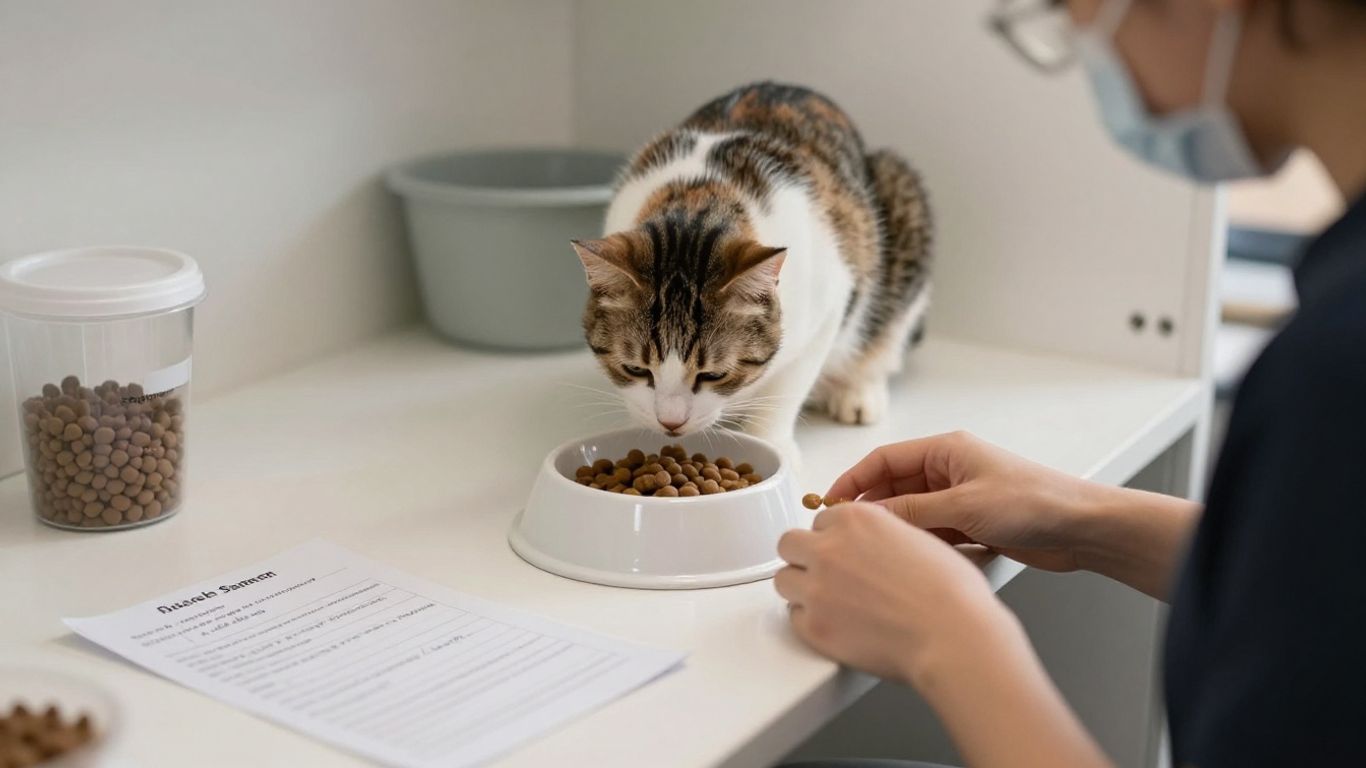
Find out whether meals are served on your schedule, whether you can bring your cat’s regular food, and how leftovers or refused meals are handled. For medication, ask what types staff can administer, how doses are logged, and whether any limits apply. If play is part of the routine, clarify whether it is individual or shared and whether your cat can opt out. A brief written routine can help the hotel keep familiar patterns in place.
Understand vaccination and health requirements
Ask which vaccination records and health documents are required, when they must be submitted, and whether the facility has rules about symptoms or recent illness. Requirements vary, so check the hotel’s current policy and confirm it with your veterinarian if anything is unclear. Tell staff about health conditions, sensitivities, or recent changes in behavior. Being upfront helps them decide whether they can safely meet your cat’s needs.
Clarify updates, visiting hours, and veterinary support
Ask whether the hotel provides photos or updates, how often they are sent, and who to contact with questions. Confirm check-in and pickup hours, including any limits on weekends or holidays. Understand how veterinary care is arranged if your cat needs attention, who is authorized to approve treatment, and how costs are handled. Read the written terms; comparing line items is useful in other kinds of purchases too, including Fasthosts and Zoho Mail.
How to prepare your cat for a stay
Once you have chosen a facility, preparation can make the transition more predictable. Share information early, follow the hotel’s packing rules, and avoid changing food or routines at the last minute unless your veterinarian advises it. If travel itself unsettles your cat, build in time for a calm carrier routine. PAWSONA offers calming products, including pheromone diffusers and sprays, to support a calmer environment during stressful situations; discuss your cat’s needs with a veterinarian if anxiety is persistent or severe.
Schedule a visit or trial stay
A tour lets you observe the space and ask questions while your cat is still at home. If the hotel offers a short trial stay, ask what it involves and whether your cat’s age, health, and temperament make it appropriate. A trial is not a guarantee that a longer visit will be stress-free, but it may give you useful information about your cat’s response and the facility’s communication. For comparison, a Werkbank-System page describes a trial day in a different line of work; here, the useful idea is simply to clarify what a “trial” means before agreeing to one.
Pack food, records, and familiar items
Follow the hotel’s packing list, label everything clearly, and bring enough of your cat’s usual food for the full stay plus a small buffer if requested. Provide the required health records and medication instructions, and check whether containers or special diets must meet particular rules. Pack only familiar items the hotel has approved. A gradual change in surroundings can be easier when the everyday routine stays recognizable.
Share your cat’s habits and special needs
Tell staff what your cat is like on an ordinary day, not only what you think they will want to hear. Include their feeding preferences, hiding habits, response to handling, and any signs they show when stressed. Mention who they are comfortable around, what play they enjoy, and what tends to frighten them. PAWSONA’s educational approach encourages owners to look at behavior as communication, so specific observations can be more helpful than describing a cat simply as “good” or “difficult.”
How to compare costs and book
Rates can be hard to compare when facilities include different services or use different room categories. Ask for the full estimate, including any charges tied to medication, special handling, late pickup, or holiday dates. Make sure the quoted amount matches your cat’s stay and care needs. Reading the terms closely is a useful habit beyond pet care; for instance, Oahu beach wedding packages also outlines cancellation terms for a very different kind of booking.
Check what the nightly rate includes
Ask whether the rate covers food, litter, routine check-ins, and any play or enrichment time, or whether those are separate charges. Confirm how the hotel counts nights and whether pickup after a certain time adds a fee. To compare options fairly, request an itemized estimate for the same dates and the same care requirements. A lower nightly price may not mean a lower total if essentials are billed separately.
Ask about deposits, cancellations, and holiday pricing
Before paying a deposit, understand whether it is refundable, when the balance is due, and what happens if your travel plans change. Ask about cancellation deadlines, changes to dates, and holiday surcharges or minimum stays. Get the answers in writing and save a copy with your booking confirmation. Policies can differ even between nearby facilities, so rely on the terms for the specific hotel you choose.
Reserve early and confirm the stay details
Popular dates may fill well in advance, so contact your preferred hotel as soon as your travel dates are firm. Confirm drop-off and pickup times, the room type, included services, feeding instructions, medication details, and emergency contacts. Before leaving, check that the hotel has received all required records and that you know how to reach staff during the stay. A final review reduces avoidable surprises and gives you a clear plan to follow.
Conclusion
Choosing a cat hotel is less about finding the fanciest room and more about finding a safe, clean place with routines that fit your cat. Ask direct questions, notice how staff respond, and share the details that help your cat feel secure. With a thoughtful match and clear preparation, you can leave knowing what to expect while you’re away.
Frequently Asked Questions
How do I know if a cat hotel is safe?
Tour the facility, ask about secure doors and supervision, and find out how staff respond to illness or emergencies. Review the hotel’s requirements and request clear answers about cleaning and veterinary support.
Should I visit a cat hotel before booking?
Yes, if tours are available. A visit lets you see the rooms, hear the noise level, and discuss policies with staff before deciding whether the setting suits your cat.
What should I bring to a cat hotel?
Bring the food your cat usually eats, required health records, and any approved medications or familiar items. Check the facility’s packing rules before bringing bedding, toys, or special equipment.
Can my cat stay at a hotel while taking medication?
Some facilities can administer certain medications, but their policies and limits vary. Ask in advance, provide written instructions, and confirm that staff can safely follow the prescribed routine.
How can I help my cat adjust to boarding?
Keep routines familiar where possible, share your cat’s habits with staff, and pack approved comfort items. A visit or suitable trial stay may also help you learn how your cat responds.
What questions should I ask about a cat hotel’s price?
Ask what the nightly rate includes, how extra services are charged, and whether deposits, cancellations, or holiday dates affect the total. Request an itemized estimate for your exact stay.
How far ahead should I book a cat hotel?
Book as soon as your travel dates are firm, particularly for holidays or other busy periods. Confirm the reservation details and care instructions before drop-off.