


Key Takeaways
Blood in a cat’s urine is a sign to contact a veterinarian, even if your cat otherwise seems well. The urgency depends especially on whether your cat can pass urine.
- Pink, red, or brown urine can indicate blood, but color alone does not reveal the cause.
- Straining to urinate with little or no urine is an emergency; seek veterinary care immediately.
- Inflammation, stones, infection, injury, and other problems can cause blood in urine.
- A veterinarian may need urine testing, blood tests, or imaging to identify what is happening.
- Follow veterinary guidance on treatment, hydration, litter box comfort, and preventing recurrence.
What blood in cat urine can look like
Blood may tint urine pink or red, or make it look brownish. Sometimes the change is subtle and appears only in a patch of litter or on a surface where your cat has urinated. These observations can help you explain what you have seen, but they cannot identify the cause.
Spotting pink, red, or brown urine
The color can vary with the amount of blood and how it mixes with urine. You might notice a pink tinge, red streaks, or a darker brown color; clots may also be visible. If it is practical, take a photo to show your veterinarian, but do not delay care to collect evidence.
Noticing blood spots outside the litter box
A small spot on bedding, a hard floor, or near the litter box may be easier to see than a change in the litter itself. Check whether the spot appears to be urine, and note where and when you found it. A sudden litter box change may also warrant a veterinary check; litter box changes can have health as well as environmental causes.
Telling blood apart from changes in urine color
Urine color can shift for reasons other than bleeding, and appearance alone cannot confirm what is happening. A veterinarian can examine a urine sample to check for blood and other clues. The table below is a useful way to describe what you notice—not a way to diagnose your cat at home.
| What you notice | What it may look like | What to do |
|---|---|---|
| Possible blood | Pink or red tint, streaks, or clots | Contact your veterinarian |
| Darker urine | Brownish or unusually deep color | Describe the change and seek veterinary advice |
| No visible color change | Normal-looking urine despite other urinary signs | Report the symptoms; appearance does not rule out a problem |
A change in color is only one part of the picture. Tell the veterinarian about any changes in how often your cat urinates, whether they seem uncomfortable, and how much urine they pass.
Why even a small amount deserves attention
A tiny amount of blood can still be a sign of a urinary problem that needs veterinary assessment. Cats may not show obvious discomfort, and the amount you can see does not tell you how serious the underlying cause is. Contact your veterinarian for advice rather than waiting for the color to change or the symptom to happen again.
When blood in cat urine is an emergency
The key question is whether your cat can urinate. A cat making repeated attempts but passing little or no urine may have a blockage, which requires immediate veterinary attention. If you are unsure whether urine is coming out, treat the situation as urgent and call a veterinary clinic or emergency service.
Recognizing signs of a urinary blockage
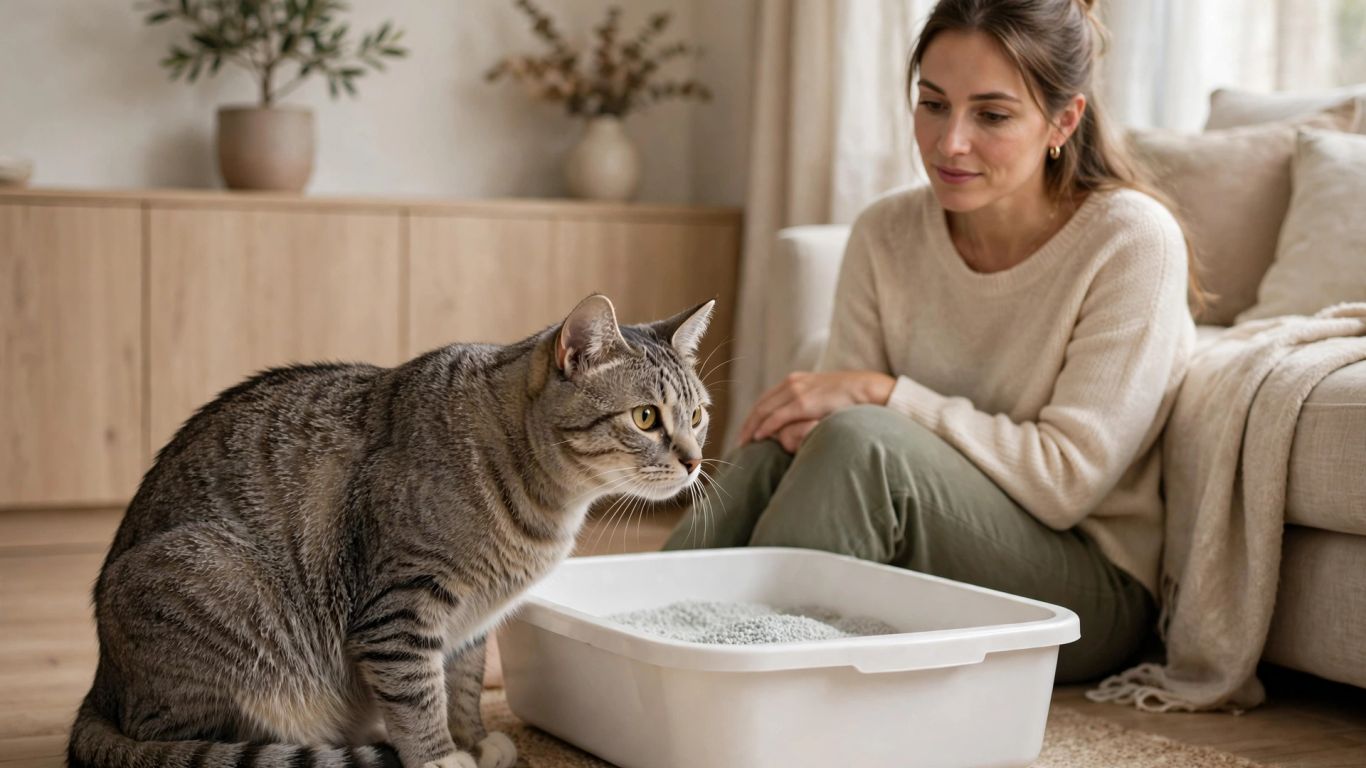
Repeated litter box visits, straining, crying, or licking around the genital area can signal urinary trouble. A cat with a blockage may pass only a few drops or nothing at all, and may become increasingly unwell. Urinary blockage signs are a reason to seek emergency care, not to wait and see whether the problem resolves.
Knowing why straining with little or no urine is urgent
Straining can look like constipation, so it may be hard to tell what is happening by watching from a distance. If your cat keeps trying to urinate but produces little or none, do not try to diagnose the problem yourself. Take these practical steps while arranging veterinary help:
- Call a veterinarian or emergency clinic and describe the attempts to urinate.
- Note when your cat last passed a normal amount of urine, if you know.
- Arrange transport promptly and follow the clinic’s instructions.
The main priority is getting your cat examined without delay. Do not wait for additional signs, and do not give medication unless a veterinarian directs you to.
Understanding added risks for male cats
A urinary blockage is particularly concerning in male cats because their anatomy can make an obstruction more likely. Any cat that is repeatedly straining with little or no urine needs urgent assessment, but do not wait for a male cat’s symptoms to worsen before seeking help. The fact that a cat has urinated a small amount does not rule out a serious problem.
Getting emergency veterinary help without delay
Call ahead if you can, explain that your cat is straining or unable to pass urine, and ask where to go. If your regular clinic is closed, contact an emergency veterinary service. Keep your cat as calm and secure as possible during transport, and follow the veterinary team’s instructions.
Common causes of blood in cat urine
Blood in urine, also called hematuria, can come from several different urinary problems. Inflammation, stones, infection, and less common conditions may cause similar outward signs. A veterinarian needs to assess your cat and, often, test a urine sample to work out which cause is most likely.
Feline idiopathic cystitis and stress-related bladder inflammation
Feline idiopathic cystitis is bladder inflammation for which a clear cause may not be found. Stress can be one factor associated with urinary signs in some cats, but a stress link should not be assumed without veterinary assessment. PAWSONA pheromone diffuser kits are among the calming products described for supporting a calmer home environment; they are not a treatment or diagnosis for blood in urine.
Urinary stones and crystals
Crystals or stones can irritate the urinary tract and may be associated with blood, discomfort, or difficulty passing urine. The type and location of a problem matter, and a veterinarian may recommend testing or imaging to investigate. Do not change your cat’s diet or start supplements for suspected stones without veterinary guidance.
Bacterial urinary tract infections
A bacterial urinary tract infection can cause blood and other urinary signs, but those signs can overlap with several non-infectious conditions. A veterinarian may test a urine sample to look for evidence of infection and decide whether further testing is needed. Treatment depends on the findings, so leftover medication or an assumed diagnosis can lead to the wrong approach.
Less common causes, including injury and tumors
Injury and tumors are among the less common possible causes of blood in urine. Other health problems may also need consideration, particularly if signs persist or return. A careful history, examination, and appropriate tests help the veterinarian decide what to investigate rather than relying on appearance alone.
Other symptoms to watch for
Blood may be the first change you notice, but it is useful to look for other signs of urinary discomfort or a change in your cat’s routine. Keep track of what you see and when it happens, including whether urine is actually being passed. These details can help the veterinarian assess the situation and determine how quickly your cat needs care.
Frequent trips to the litter box
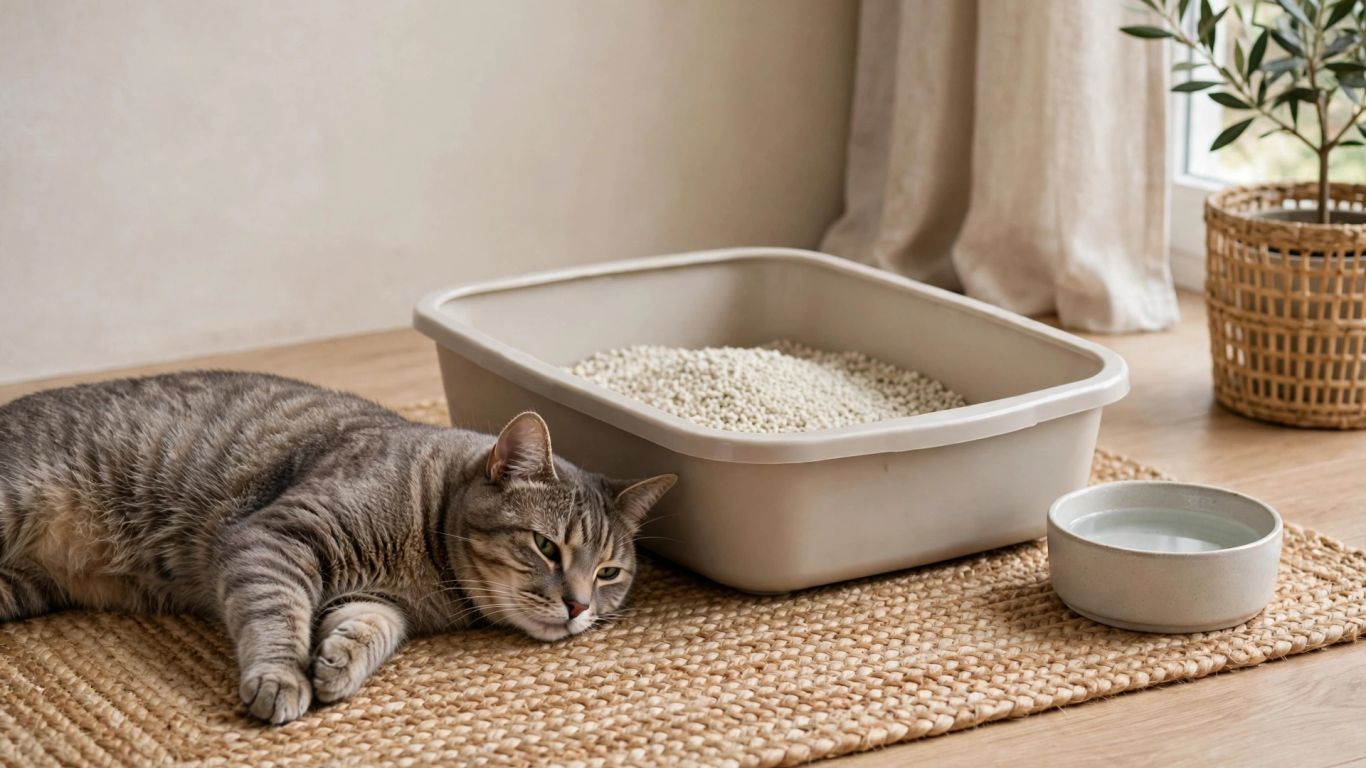
Repeated trips, lingering in the box, or returning soon after urinating can be signs that your cat is uncomfortable. Notice whether each visit results in a normal amount of urine, just a few drops, or none. If your cat is making repeated attempts without producing urine, seek emergency veterinary care.
Straining, crying, or discomfort while urinating
A hunched posture, visible effort, or vocalizing while urinating may suggest pain or difficulty. Some cats show only subtle changes, so a shift from their usual behavior can matter. Tell your veterinarian what you observed rather than trying to decide which condition is responsible.
Urinating outside the litter box
A cat may urinate outside the box because of discomfort, a health problem, stress, or a litter box issue. A sudden accident should not automatically be treated as a behavior problem, especially if blood or straining is also present. Record where it happened and any related changes; that context can help distinguish possible causes.
Changes in appetite, energy, or grooming
Pay attention to whether your cat is eating less, seeming unusually quiet, hiding, or grooming differently. These changes do not identify a urinary diagnosis, but they provide useful context for a veterinary assessment. For another symptom that may occur alongside illness, see this guide to common cat vomiting causes.
How a veterinarian diagnoses the problem
A veterinary assessment starts with what you have observed and may include an examination and tests. The goal is to identify the cause of the blood and check for urgent problems such as difficulty passing urine. Similar signs can arise from different conditions, so a diagnosis is more useful than treating the visible blood alone.
Sharing your cat’s symptoms and medical history
Tell the veterinarian when you first noticed the change, how often your cat has tried to urinate, and whether you have seen a normal amount of urine. Mention any discomfort, appetite or energy changes, previous urinary problems, medications, and recent changes at home. If relevant, note stressors such as a move or a new household arrangement, without assuming stress is the cause.
Testing a urine sample
A urine test can help the veterinarian look for blood and other findings, such as crystals or signs that may point toward infection. The clinic can advise whether and how to bring a sample, since a sample collected at home may not suit every test. Follow their instructions rather than delaying an appointment to obtain one.
Using blood tests or imaging when needed
Depending on the examination and urine findings, the veterinarian may recommend blood tests or imaging. These can help assess your cat’s overall health or investigate stones and other urinary tract changes. The exact tests depend on your cat’s symptoms and the veterinarian’s judgment.
Why symptoms alone cannot identify the cause
Straining, frequent trips, and blood can occur with more than one condition. Even an apparently normal-looking urine sample does not always explain what is wrong. Veterinary testing helps guide appropriate care; unrelated specialist information, such as Louisville business growth, BMW service reminders, Kelly & Chapman Lawyers, sustainable drainage systems, or quartz countertops, cannot answer a veterinary question.
Treatment and care after a diagnosis
Treatment depends on what the veterinarian finds, and the visible blood is a sign rather than a diagnosis by itself. Follow the plan recommended for your cat’s specific condition and ask what changes should prompt a call or an urgent visit. At home, comfort, access to water, and a clean litter area can support your cat while care is underway.
Treating the underlying cause rather than the blood alone
The appropriate treatment differs depending on whether the problem involves inflammation, stones, infection, or another cause. A veterinarian may recommend medication, additional testing, or other care based on the diagnosis. Do not give human pain medicines or use leftover prescriptions unless your veterinarian specifically instructs you to.
Supporting hydration and litter box comfort
Make fresh water readily available and keep the litter box clean, accessible, and in a quiet location. Familiar routines and a comfortable environment can help reduce avoidable stress, though these steps do not replace medical care. PAWSONA calming sprays are described as products that support a calmer environment; ask your veterinarian whether any calming product is appropriate alongside your cat’s treatment.
Following medication and recheck instructions
Give prescribed medication exactly as directed, and contact the clinic if you have trouble administering it or notice a concerning change. Keep recommended follow-up appointments even if the urine looks normal again. The veterinarian can tell you whether additional tests or a recheck are needed to confirm progress.
Reducing recurrence with veterinary guidance
If urinary signs return, let your veterinarian know rather than assuming the cause is the same as before. They can discuss practical changes based on your cat’s history, health, and home environment. PAWSONA calming collars are also among the brand’s calming products; discuss their suitability with your veterinarian, particularly when a urinary problem has been diagnosed.
Conclusion
Blood in cat urine deserves veterinary attention because several conditions can cause it, and appearance alone cannot reveal which one is involved. If your cat is straining and passing little or no urine, seek emergency care immediately; otherwise, contact your veterinarian promptly, share what you have observed, and follow their recommendations.
Frequently Asked Questions
Is blood in cat urine always an emergency?
Not every case requires emergency care, but blood should be discussed with a veterinarian promptly. Straining with little or no urine is an emergency and needs immediate veterinary attention.
Can stress cause blood in a cat’s urine?
Stress may be associated with bladder inflammation in some cats, but it is not possible to identify the cause from symptoms alone. A veterinarian can assess your cat and recommend appropriate tests and care.
What should I do if my cat is straining to urinate?
If your cat is repeatedly trying to urinate and passing little or no urine, contact an emergency veterinary service and arrange care immediately. Do not wait to see whether the signs resolve.
Should I bring a urine sample to the veterinarian?
Ask the clinic whether a sample would be useful and how they want it collected. Do not postpone an appointment while trying to collect one, especially if your cat is straining or seems unwell.
Can I tell the cause from the urine color?
No. Pink, red, or brown urine can be a clue, but different urinary problems may look similar, and some cases have no obvious color change. Testing may be needed to identify the cause.
Why is my cat peeing outside the litter box?
Urinary discomfort or another health issue can lead to changes in litter box habits, though stress or the setup of the box may also play a role. A sudden change, especially with blood or straining, calls for veterinary advice.
Can blood in my cat’s urine go away on its own?
The appearance may change, but that does not establish that the underlying problem has resolved. Contact a veterinarian for guidance and follow the recommended treatment and recheck plan.