


When we bring a new cat into our home, we often focus on the supplies—the bowls, the litter boxes, and the toys. However, I learned the hard way after six years of fostering that the most critical element isn't a piece of gear, but the cat's emotional state. Cats are masters of subtlety, and when they face the stress of a new environment, their way of coping is often to disappear.
The Reality of Feline Stress in New Environments
A foster cat I once took in taught me a lesson I will never forget. He hid behind the toilet for two full days—so perfectly that I genuinely thought he had somehow escaped the house. I scoured every room in a panic. It wasn't until the second night, when the silence of the house allowed his hunger to outweigh his fear, that he began to meow. Finding him huddled there, trembling and terrified, was a turning point in my journey as a cat advocate.
Many owners make the mistake of waiting for physical symptoms—like urine marking or aggression—before looking for support. Back then, I didn't know about the science of pheromones, and I found the available market solutions both limited and prohibitively expensive. That frustration was the catalyst for starting PAWSONA; I wanted to offer accessible, research-backed support for cats navigating these major life transitions.
Understanding Cat Pheromones
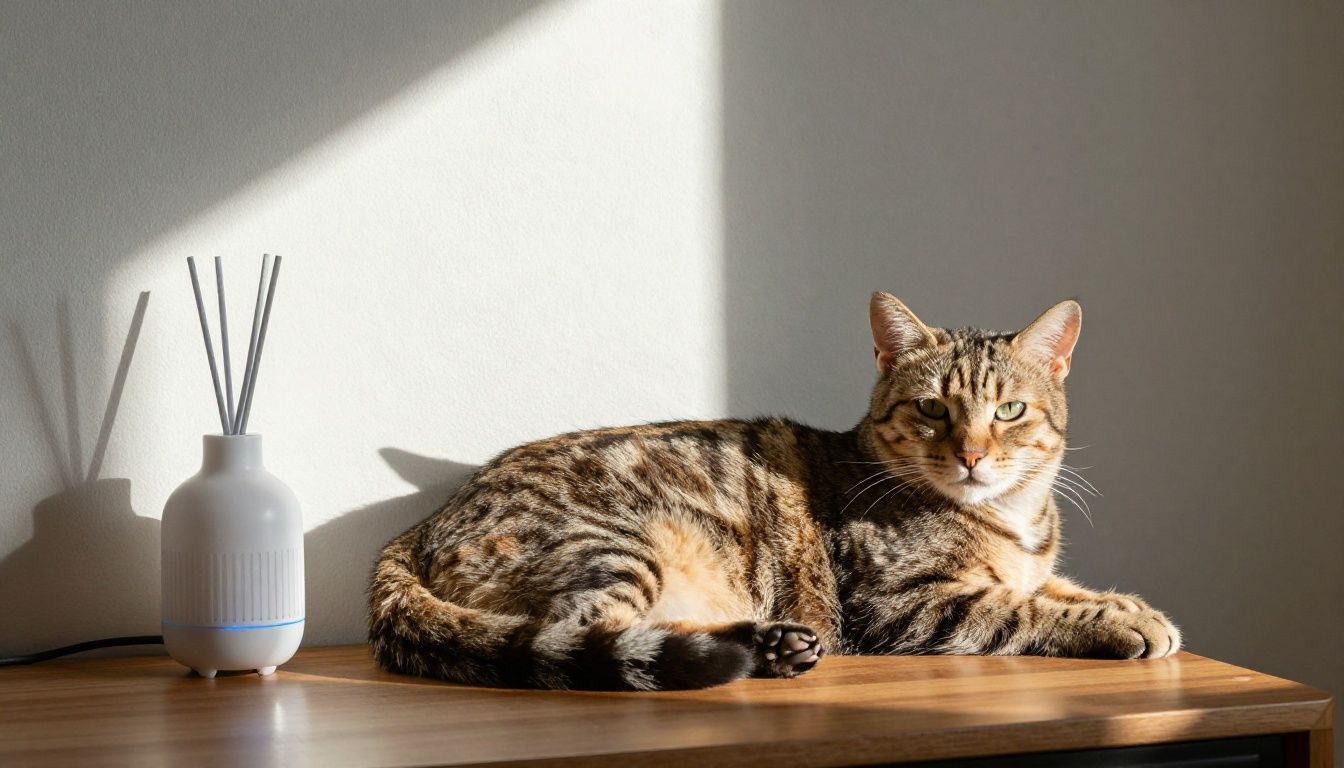
Cats communicate through natural messages called pheromones, which we refer to as "happy markers." When a cat feels safe, they deposit these signals. In a new home, those markers are absent, which explains why the environment feels hostile. Using a pheromone diffuser for cats can help bridge that gap, providing a sense of familiarity that encourages exploration rather than retreat.
Why Quality Matters in Calming Aids
Not all products are created equal. When selecting an effective cat calming product, look for solutions that address the root cause rather than just masking the behavior. Whether it is a calming spray for localized spots or a diffuser for communal living areas, consistency is vital.

PAWSONA Field Notes
Looking back at my foster years, my biggest mistake was thinking my cats would "just adjust." I now know that cat stress is real, and every feline is an individual with a unique past. If I were setting up a room for a new rescue today, I would start using calming aids from day one. Do not wait until the stress becomes a behavioral problem.
In my experience, you can usually expect to see positive changes within three to five days of using specialized calming tools. However, for cats with a history of trauma or deep-seated anxiety, it can take anywhere from two weeks to a full month to see real progress. Be patient with them—they are trying their best to adapt to a world that feels very different from what they know.
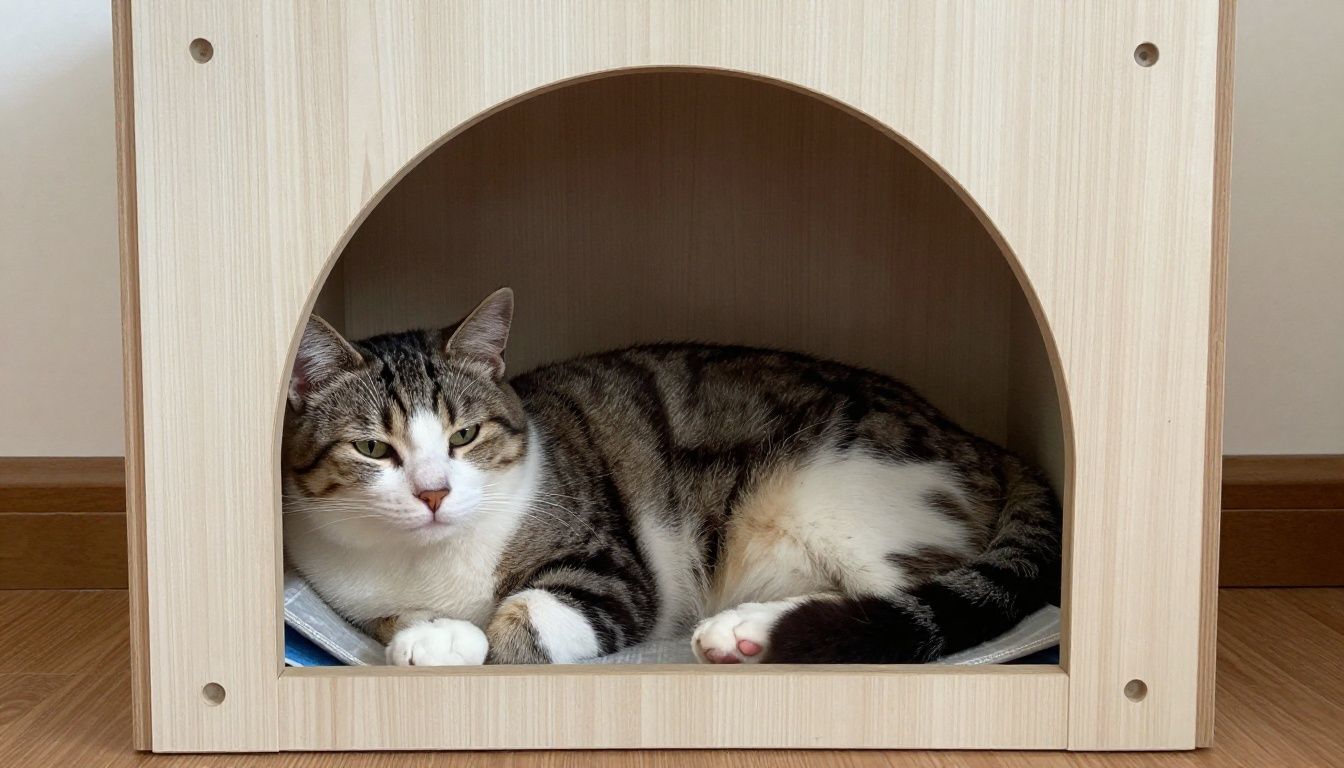
My primary takeaway for you: observe, be patient, and provide a secure environment before asking your cat to be social. Your calm, steady presence, supported by the right tools, is the best gift you can offer a newcomer.